Chen Yingjie (Hua Tunan): Painting at the Edge of Control
For years, Chen Yingjie, internationally known through the name Hua Tunan, has been described as the Chinese artist who combines traditional ink painting with Western graffiti. The description is accurate, yet it increasingly feels too small for the artist he has become. Behind the explosive marks, monumental murals and animals that first brought his work international attention is a far more searching practice, concerned with intuition, movement, the intelligence of the body and, increasingly, what happens when an artist relinquishes some control and allows nature itself to enter the work.
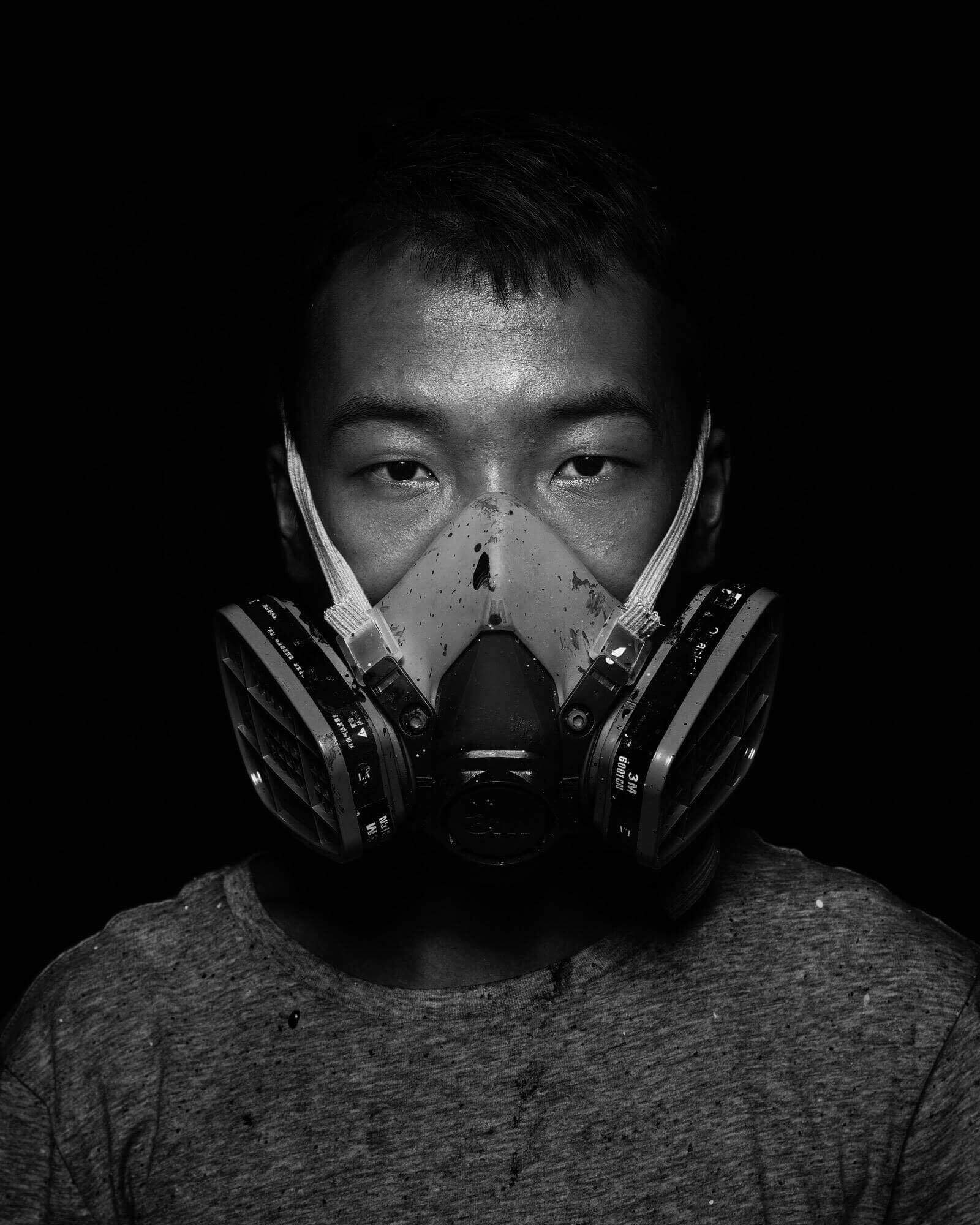
Chen Yingjie, internationally known through the name Hua Tunan. Image courtesy Chen Yingjie
Born in Guangdong, China, in 1991, Chen works across painting, muralism, performance and installation, although the most compelling way into his practice may be through the ideas that connect these different forms.
His 2024 solo exhibition Intuitive Wanderings at Shanghai’s Long Museum West Bund brought together recent paintings and studies shaped by journeys through Yunnan and Tibet, revealing an artist increasingly interested in the coexistence of speed and stillness, technical command and uncertainty, physical gesture and sustained observation.
What connects these different periods is less a recognisable technique than a continuing question: how much of a painting should belong to the artist, and how much can be left to forces outside him? Once that question is considered, the aerosol, animals, mountains, changing light and increasingly abstract surfaces begin to read not as separate phases of Chen’s career, but as different ways of exploring the relationship between intention and everything that resists it.

Installation view of Chen Yingjie: Intuitive Wanderings, Long Museum West Bund, Shanghai, 12 May–14 July 2024. Copyright Long Museum West Bund.
Before Graffiti, There Was Ink
Chen’s relationship with Chinese painting began long before his encounter with graffiti. His father painted landscapes and introduced him to brush, ink and the culture of traditional painting while he was still a child, while a supportive primary-school art teacher later gave him considerable freedom to spend time in the art room experimenting with rice paper, ink and other materials. Chen has spoken warmly about both influences, describing an early environment in which painting was not simply taught as a formal discipline but allowed to become part of the way he observed and understood the world.
Graffiti arrived later, towards the end of secondary school, when a friend gave him spray paint and Chen began going out at two or three in the morning looking for walls. The attraction was immediate: there was speed, risk, scale and a freedom very different from working on paper, while the possibility that somebody might appear at any moment demanded an instinctive economy of movement. His subsequent studies in Singapore exposed him to a wider field of museums, galleries, street culture and international art, yet the eventual meeting of graffiti and ink did not occur through a calculated attempt to manufacture a recognisable East-West hybrid.
Chen recalls returning to Foshan during the rainy season and seeing mould and water stains spreading across the wall outside his home. Their accidental forms reminded him of ink painting, so he introduced several spray-painted marks and continued passing the wall over the following days, gradually recognising what he described as a large unexplored territory between landscape painting and graffiti.
The significance of this story lies in how naturally the two languages met. Chinese ink was not a cultural reference Chen later borrowed to distinguish his graffiti, because it was already embedded in his visual formation, while graffiti did considerably more than introduce a contemporary surface vocabulary; it altered his understanding of speed, scale, public space and the role of the body. Over time, both became sufficiently internalised that the distinction between them began to matter less than the underlying principles they shared: movement, rhythm, atmosphere, empty space, concentration and the possibility that a material may behave in ways its maker did not entirely anticipate.

Chen Yingjie with a work from Shaping the Essence, Danysz Gallery, Shanghai, 2018, exploring Yin and Yang through the meeting of Chinese ink painting, graffiti and Eastern and Western visual traditions.
From Hua Tunan to Chen Yingjie
The gradual movement away from the name Hua Tunan offers another way of understanding that development. Hua Tunan was an artistic identity Chen adopted while still young, and it became closely associated with the period in which his paintings of tigers, dragons, birds and other animals began attracting international attention. By around 2017, however, he increasingly returned to his birth name for exhibitions and artworks, later explaining that Chen Yingjie represented the artist he had become more accurately and distinguishing between the Hua Tunan period and the practice that followed.
The distinction is useful because the paintings themselves reveal a comparable shift. The earlier animal works announce themselves with extraordinary immediacy: a tiger, dragon or bird appears to materialise from fields of sprayed, splashed and thrown pigment, with passages of meticulous figuration held inside marks that seem simultaneously to construct and destabilise the image. Their impact is undeniable, yet the deeper concern already lies in the tension between precision and release, between what Chen can determine and what emerges once an action has been set in motion.
As the practice develops, that tension becomes increasingly important in its own right. Landscape expands, figuration loosens and the concentrated energy that once surrounded the body of an animal begins to migrate into light, mist, gravity and atmospheric space. The later paintings are quieter without becoming passive, and more ambiguous without relinquishing the physical intelligence that made the earlier works so distinctive. Rather than abandoning Hua Tunan, Chen appears to have moved deeper into the questions that were already present beneath the spectacle.
His thinking about technique reinforces this. Chen has compared painting and calligraphy with forms of bodily movement in which the hand never acts independently, because the shoulder, torso, legs and rhythm of the entire body are involved in creating the mark. Years of repetition allow deliberate movement to become increasingly instinctive, until knowledge that was once consciously applied begins to operate below the level of thought.
What can initially appear spontaneous is therefore anything but casual. The gesture may happen in an instant, but the understanding contained within it has taken years to acquire.

Chen Yingjie painting for Tiger Beer. Image copyright artist.
Mastery and the Uncontrollable
Perhaps the clearest statement Chen has made about his mature practice came when he was asked what now lies at its centre. His answer was striking: “Accept everything uncontrollable, because that is the most interesting and challenging part of creation.” Studio Visits: Chen Yingjie, Hypebeast, 2022
For an artist whose work demonstrates such command of material, the statement might initially seem contradictory, yet it reveals one of the most sophisticated aspects of his development. Increasing technical mastery has not pushed Chen towards ever greater rigidity; it has given him sufficient confidence to create conditions in which the unforeseen can enter the work.
Aerosol is particularly important to this idea because pigment must travel through space before it reaches the surface, introducing distance between hand and mark, while ink carries its own unpredictability through water, absorbency and gravity. Within the studio these variables can be moderated, but once Chen began carrying canvases into the mountains of Yunnan and Tibet, wind direction, ultraviolet light, temperature, terrain and the physical condition of his own body became impossible to separate from the painting process. Stones, leaves, grass and earth could enter the work, while changing weather could redirect pigment or alter the tempo of an entire session.
This is not an abandonment of authorship but a more porous understanding of it. Chen initiates the action and establishes the conditions, yet he does not insist upon possessing every consequence, which means that mastery is no longer measured solely by the ability to make a material obey. It also depends upon the sensitivity required to recognise when something unexpected has introduced a possibility more interesting than the one originally intended.
The same patience appears in the studio, where Chen has spoken about leaving unresolved paintings for months before returning to them when his own state has changed sufficiently for the work to continue. A rapid sprayed gesture may therefore sit within a far slower process of observation, hesitation and judgement, complicating the assumption that the speed visible in his marks reflects the speed with which the paintings themselves are conceived.

Chen Yingjie in his studio. Image copyright artist.
Slowing Down to See
For an artist whose early reputation was closely connected with velocity, Chen speaks surprisingly often about slowing down. Discussing inspiration, he observed that “first, you have to slow down, then perceive, and inspiration will come,” while in the same conversation adding that “inspiration may have many answers, but they all come from life.”Chen Yingjie interview, The Paper, 2022
These remarks reveal an important distinction between spontaneity and intuition. Intuition, for Chen, does not appear to mean acting without thought; it is closer to knowledge that has been absorbed so thoroughly that the body is able to respond before the conscious mind needs to formulate an instruction. This is why his work can move between extraordinary speed and prolonged stillness without contradiction. The instant gesture is possible because of everything that has accumulated before it: repeated movements, observation, travel, memory and years spent understanding how a particular material behaves.
His increasing engagement with landscape pushes this further because perception itself becomes part of the subject. In Shangri-La, Chen carried a canvas into the landscape opposite the sacred Kawagarbo mountain and painted with his feet on the earth while wind struck the surface and interfered with the sprayed lines. The resulting painting was necessarily different from anything produced within a controlled studio because the mountain environment was no longer simply being represented; it was physically affecting the circumstances through which the image could emerge.
At this point, landscape ceases to function merely as scenery and becomes participant. Weather alters material, terrain alters posture, altitude alters the body and shifting light changes perception, creating a chain of responses in which the artist is neither passive nor completely sovereign.
Chen’s ambition to paint on Mount Everest is revealing for precisely this reason. Asked where he would work if there were no limitations, he chose Everest, yet immediately rejected the language of conquest, explaining that what interested him was entering into dialogue with the mountain and imagining how the world might appear from its perspective. Studio Visits: Chen Yingjie, Hypebeast, 2022
For an artist once known primarily for visual force, it is an unexpectedly humble proposition, and one that indicates how far his attention has moved from imposing an image upon a surface towards understanding painting as a form of exchange.

Chen Yingjie trip to snowy mountains of Yunnan, with support of Danysz Gallery Paris, 2022. Image copyright Danysz Gallery
Natural Gravity
GraffitiStreet documented an important moment in this evolution in Shanghai in 2021, when Chen created Natural Gravity 41 / GRAVITY XLI on Nanchang Road in direct relationship with an existing sycamore tree. Rather than treating the tree as an obstruction and the architecture as an empty support, the work incorporated the movement of branches, shadows and natural light, allowing seasonal change to continue altering the mural long after Chen had completed his own intervention.
The project expanded the idea of what might legitimately participate in a painting, placing architecture, vegetation, time and light alongside pigment, while Chen accompanied the work with a phrase that now feels particularly revealing: “I have always thought of a sentence in my creation, Think big, do small. If there is no accumulation of small streams, there is no way to become a river.” GraffitiStreet, Natural Gravity 41 / GRAVITY XLI, 2021
The thought brings together several apparent contradictions within his practice. Monumentality is built through small decisions; freedom depends upon discipline; speed is supported by years of repetition; and the willingness to surrender control becomes possible only because technical control has already been established.
By the time of Intuitive Wanderings at the Long Museum West Bund in 2024, these ideas had become central to the work. The paintings emerging from Yunnan and Tibet were increasingly abstract, yet their relationship with landscape had arguably become more direct because the environment was no longer merely represented through recognisable forms. It entered through physical conditions, through the tempo of the body and through Chen’s willingness to leave aspects of the surface unresolved.
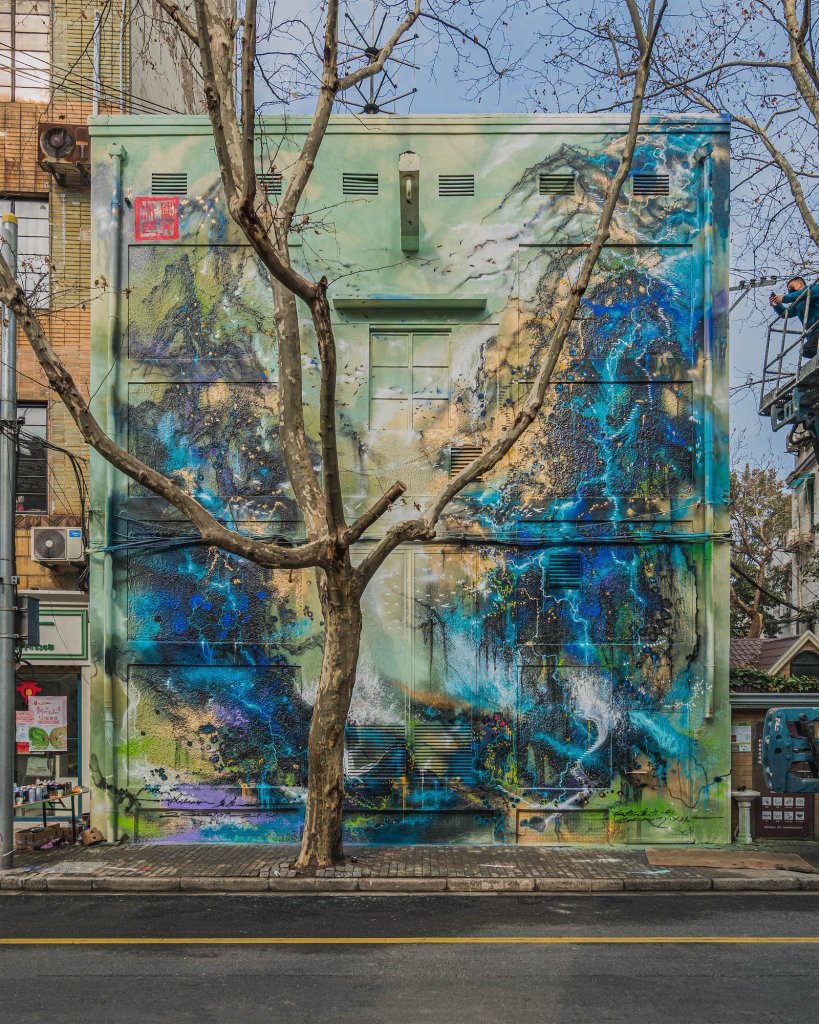
GraffitiStreet, Natural Gravity 41 / GRAVITY XLI, 2021
Painting Across Architecture
In September 2024, Chen transformed the monumental staircase at Taikoo Li Qiantan in Shanghai into a 30-metre live painting, working for more than four hours across a canvas laid directly over the steps. The architecture dictated the rise and fall of the surface, forcing his body to adjust continually as painting, movement and improvised sound developed together in real time.
The project sits naturally within Chen’s later practice because the staircase became more than a support: it actively shaped the rhythm of the work. Chinese landscape painting remained present through atmosphere and movement, while graffiti survived through scale, speed and physicality. The improvised music also anticipated what Chen would explore at He Art Museum the following year, where sound would move from accompanying the act of painting to physically affecting the painted surface itself.


GraffitiStreet, Chen Yingjie / Hua Tunan Transforms a Shanghai Staircase into a 30-Metre Live Painting, 2024
HEM: Turning the Museum into a Working Experiment
That thinking moved into another significant phase in 2025 when Chen returned to his home region for 够姜 [gau3goeng1]: Chen Yingjie Studio Project at He Art Museum (HEM) in Shunde, Foshan. Running for almost three months from June to September, it was his first museum studio project and deliberately resisted the conventional idea of an exhibition as a presentation of completed objects. Instead, Chen brought the daily process of making into the gallery, transforming the space into an open and continuously changing combination of studio, meeting place and laboratory in which painting, performance, interaction and sound could develop in front of visitors.
The significance of 够姜 lies precisely in this visibility of process. If Intuitive Wanderings had demonstrated how landscape could intervene in the making of a painting, HEM allowed Chen to investigate how an architectural and social environment might do something similar. Light entering through the museum’s glass walls, the changing weather outside, sound, mechanical vibration and the presence of other people all became potential material, extending his understanding of painting beyond pigment and surface towards something closer to a field of physical and sensory relationships.
During the residency, Chen described observing changing light through the museum’s floor-to-ceiling glass, experiencing the vibration of thunder during typhoons and even bringing a go-kart into the space, allowing mechanical sound, movement and the smell of fuel to become part of the atmosphere in which he worked. The project culminated in Sound-Painting Resonance, an improvised performance in which he worked with a specially tensioned canvas while low-frequency sound travelled through it, causing the surface to vibrate and allowing sprayed black pigment to flow and spread in ways that could not be completely predetermined.
Here, an idea that had previously been explored through mountains, wind and changing weather was transferred into the museum itself. Chen was still making decisions, modifying tools and establishing the conditions of the experiment, but another physical force was permitted to participate in determining what the image became. Sound was no longer simply something accompanying the performance; through vibration, it became an active agent within the painting.
Chen’s description of the residency is characteristically open-ended: “Every creation is a new test.” reported at the conclusion of 够姜, He Art Museum studio project, 2025.
The phrase is useful because it avoids the idea that Chen has arrived at a final style. His practice increasingly appears to operate through situations in which he establishes a set of conditions and then discovers what those conditions make possible. The street offered speed and risk; the mountains introduced wind, altitude and weather; Natural Gravity allowed architecture, vegetation and seasonal light to alter a mural; and at HEM, sound, vibration, architecture and an audience entered the experiment.
Seen together, these projects suggest that Chen is gradually expanding the very definition of what can make a painting.


Chen Yingjie Studio Project at He Art Museum (HEM) in Shunde, Foshan, 2025. Image copyright Chen Yingjie / HEM
Watching the Work Evolve
GraffitiStreet has had the honour and unusual opportunity to encounter Chen’s practice across this evolution. When we invited Hua Tunan from China to London for GraffitiStreet Underground in 2016, he created Uncaged, a monumental tiger whose physical presence seemed to emerge through the collision of controlled figuration and liberated pigment. Observing the painting develop at close range made the bodily intelligence of his technique impossible to miss, as the animal was built not simply through drawing but through movement across and around the surface.
A decade later, the unique painting Light Spreads Through Time 光在时间里蔓延, presented during Urban Equinox at GraffitiStreet Gallery in 2026, revealed a markedly different kind of intensity. The composition no longer requires an animal to contain its energy; instead, a red circular form appears above layered passages of colour that accumulate, descend and dissolve, allowing landscape to remain present as sensation rather than description.
The distance between these works is more revealing than a simple progression from figuration to abstraction. In Uncaged, energy gathers around the recognisable body of the tiger, whereas in Light Spreads Through Time that energy has become dispersed through atmosphere, space and material itself. Chen has not become less physical, nor has he rejected the visual language through which Hua Tunan first became known; he has become less dependent upon the image as the sole carrier of meaning.
This is where the sophistication of his mature practice lies. The greater his command of material has become, the more willing he appears to be to surrender part of the outcome, allowing wind, gravity, memory, instinct and landscape to exert their own pressure upon the work. What emerges is not chaos, but a more porous understanding of authorship in which painting becomes less an act of imposing an image upon the world than a way of entering into negotiation with it.
The evolution from Hua Tunan to Chen Yingjie is therefore not a movement away from Chinese ink painting or graffiti, but further into the questions already contained within both: how gesture carries energy, how emptiness can hold meaning, how the body remembers what the conscious mind no longer needs to instruct, and how an artist can exercise extraordinary control while still leaving sufficient space for something unforeseen to enter.
Perhaps this is why Chen’s simplest ideas increasingly feel like the most revealing. “Think big, do small” is not merely a phrase about scale, but about allowing meaning to accumulate through attention, repetition and response. His paintings may occupy walls, landscapes and large canvases, yet their real depth is constructed one movement, one interruption and one decision at a time, at the precise point where the artist’s intention encounters a world that refuses to be entirely controlled.
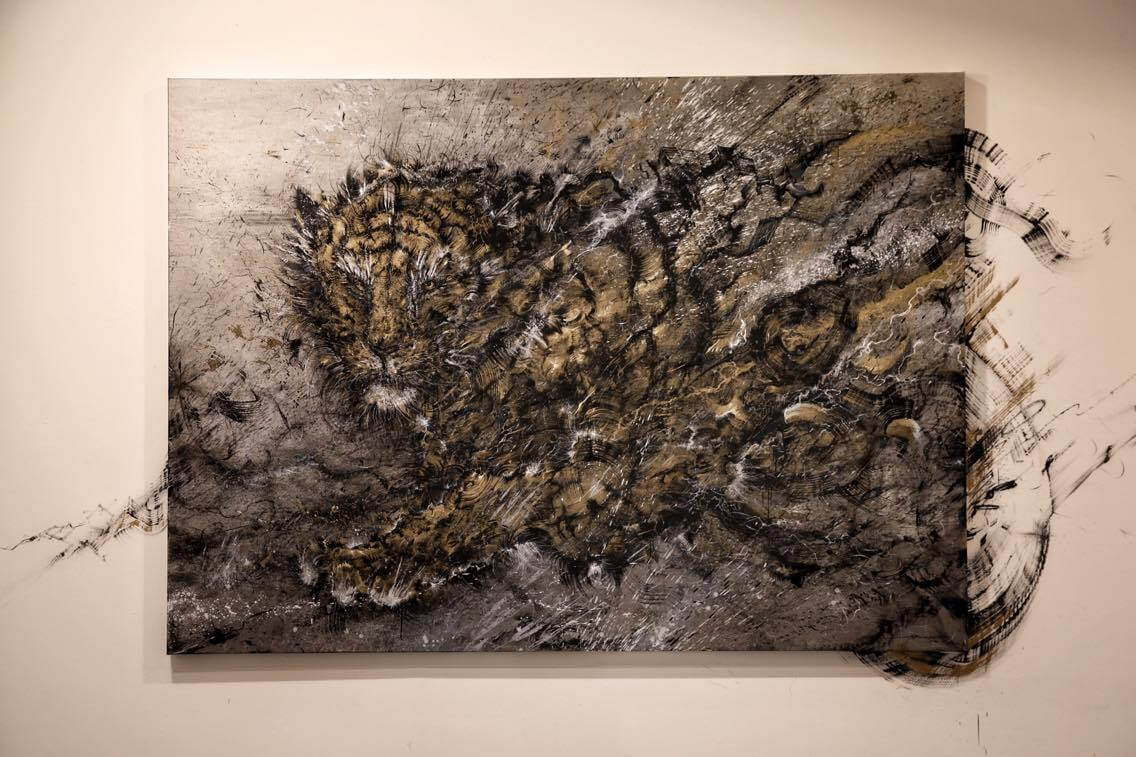
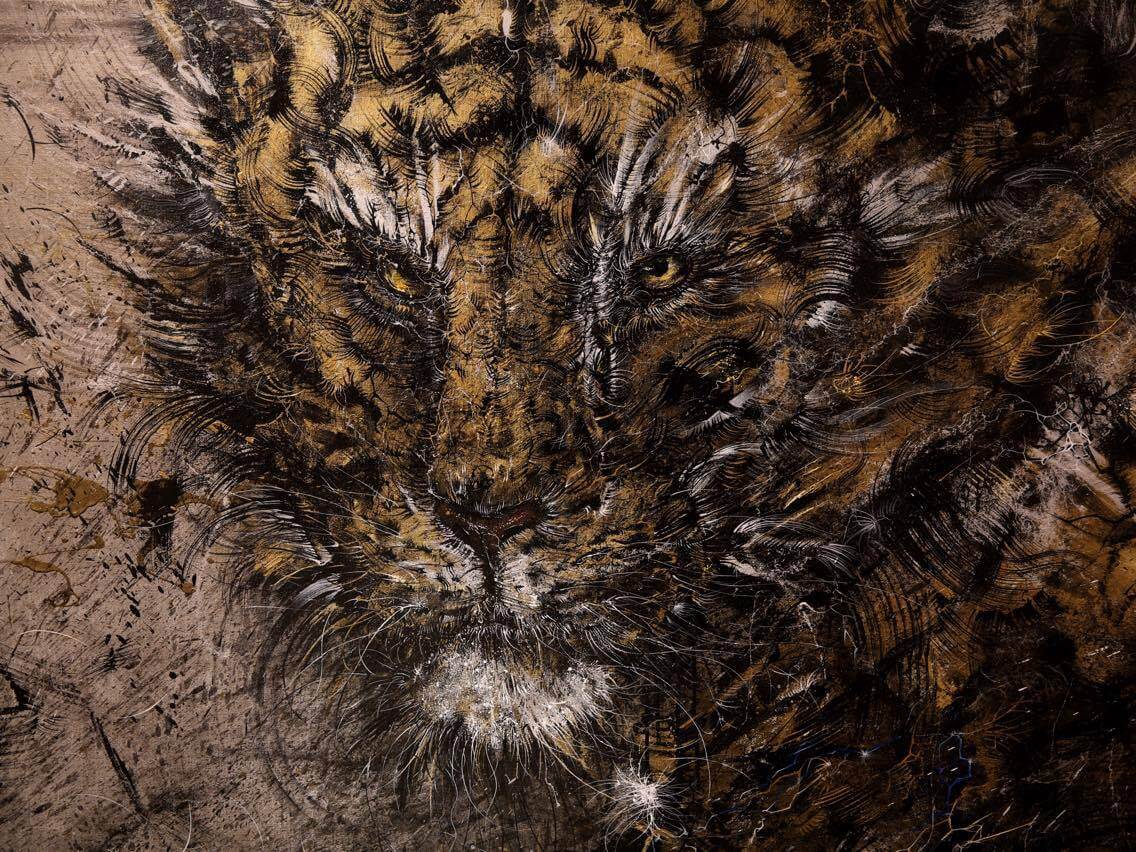
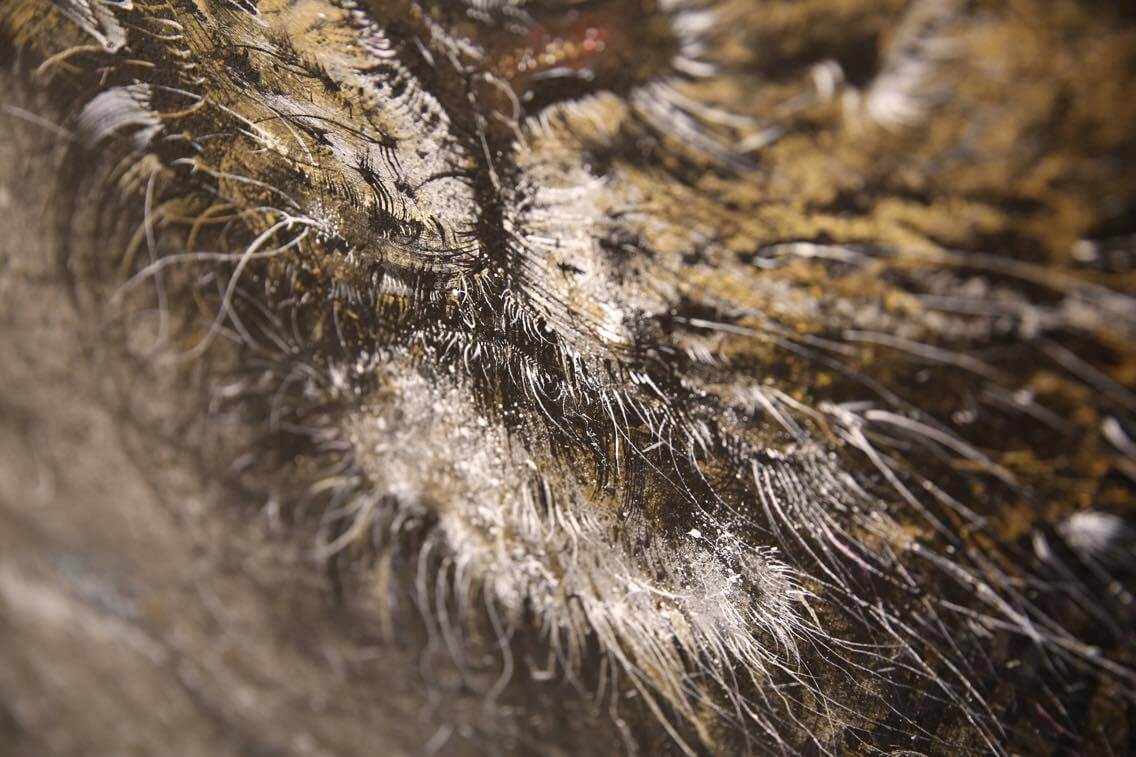
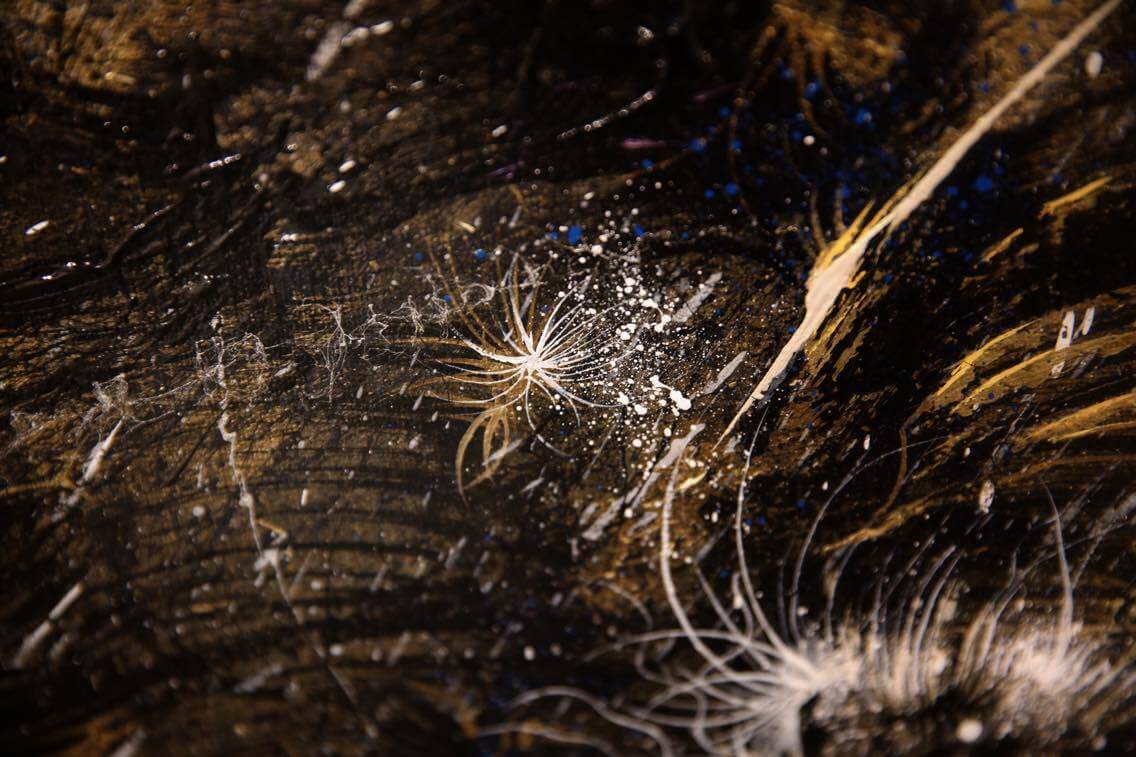
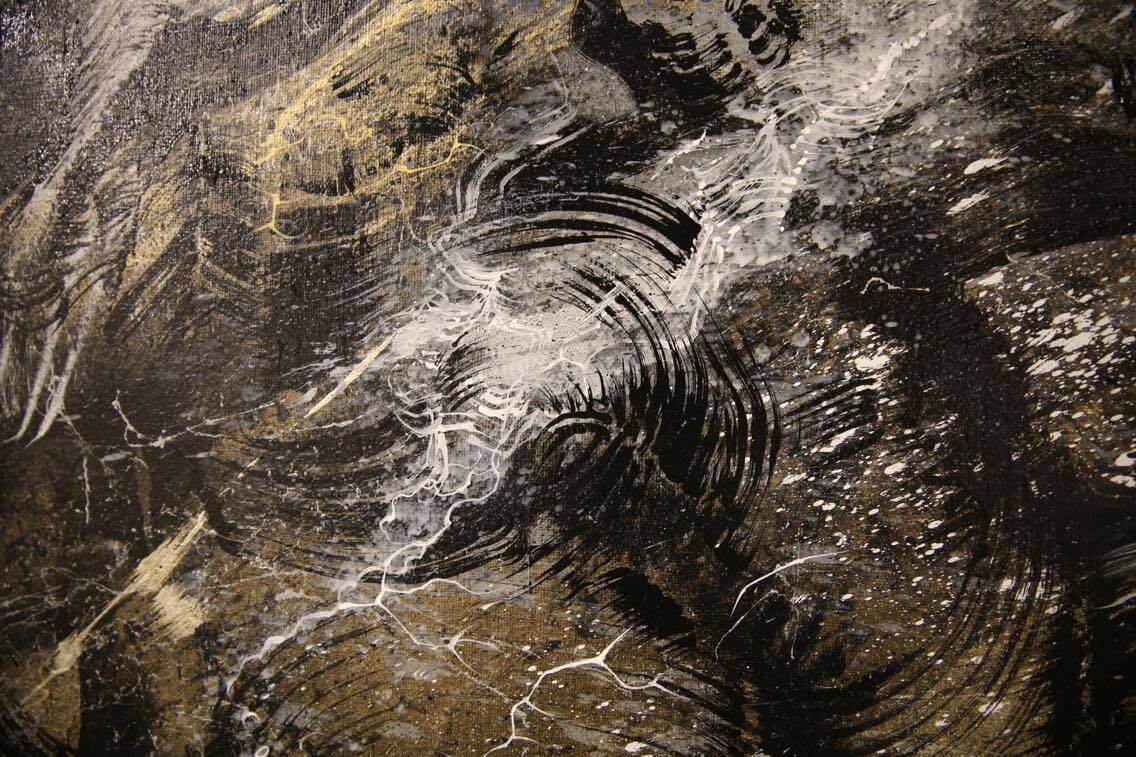
‘Uncaged’ by street artist Hua Tunan GraffitiStreet Underground 2016, London. Image copyright Hua Tunan
Recognition, Sources & Further Reading
Chen’s growing international recognition has accompanied this evolution rather than defined it. In 2020, he was named to Forbes China’s “30 Under 30”, while Complex magazine had previously included Hua Tunan among its “25 Contemporary Chinese Artists You Need to Know”, early acknowledgements of a practice that has since moved decisively beyond the visual language for which he first became known.
Forbes China — 30 Under 30, 2020 View the list
Complex — 25 Contemporary Chinese Artists You Need to Know, 2014 view republication of the Complex feature
Hypebeast — Studio Visits: Chen Yingjie, 2022 Read the interview
The Paper — Chen Yingjie Interview, 2022 Read the interview
Long Museum West Bund / Ocula — Chen Yingjie: Intuitive Wanderings, 2024 View the exhibition
He Art Museum / Chen Yingjie Studio Project, 2025 Read the project documentation
He Art Museum (HEM) — Official Website Visit HEM
Pearl River Business News / Shunde Library — HEM Closing Project, 2025 Read the report
GraffitiStreet — Natural Gravity 41 / GRAVITY XLI, 2021 Read the article
GraffitiStreet — Chen Yingjie Transforms a Shanghai Staircase into a 30-Metre Live Painting Read the article
Chen Yingjie — Instagram Hua Tunan

Chen Yingjie in his studio. Image copyright artist.
Collect Chen Yingjie (Hua Tunan) with GraffitiStreet
For collectors, Chen Yingjie aka Hua Tunan, represents a particularly compelling moment in contemporary painting because his work sits at the intersection of several histories without being confined by any of them: Chinese ink, graffiti, abstraction, landscape and performance all remain present, yet increasingly as foundations for a practice that is becoming more philosophical, more assured and more difficult to categorise.
GraffitiStreet has worked with Chen across that development, from the physical intensity of the Hua Tunan period to witnessing the monumental, more atmospheric works now emerging under his own name. That continuity gives us a rare perspective on the evolution of the practice and on the significance of individual works within it.
Collectors interested in acquiring available works by Chen Yingjie / Hua Tunan can explore the current selection through GraffitiStreet or contact the gallery directly for availability, provenance, condition, further images and guidance on works that best represent different periods of his practice.

Hua Tunan – Light Spreads Through Time (2024). Available via GraffitiStreet.
For private acquisition enquiries, institutional placements or advice on building a focused collection around Chen Yingjie’s work, please contact GraffitiStreet Gallery directly.
Explore available works by Chen Yingjie / Hua Tunan at GraffitiStreet