Street Artist in the Spotlight: NeSpoon
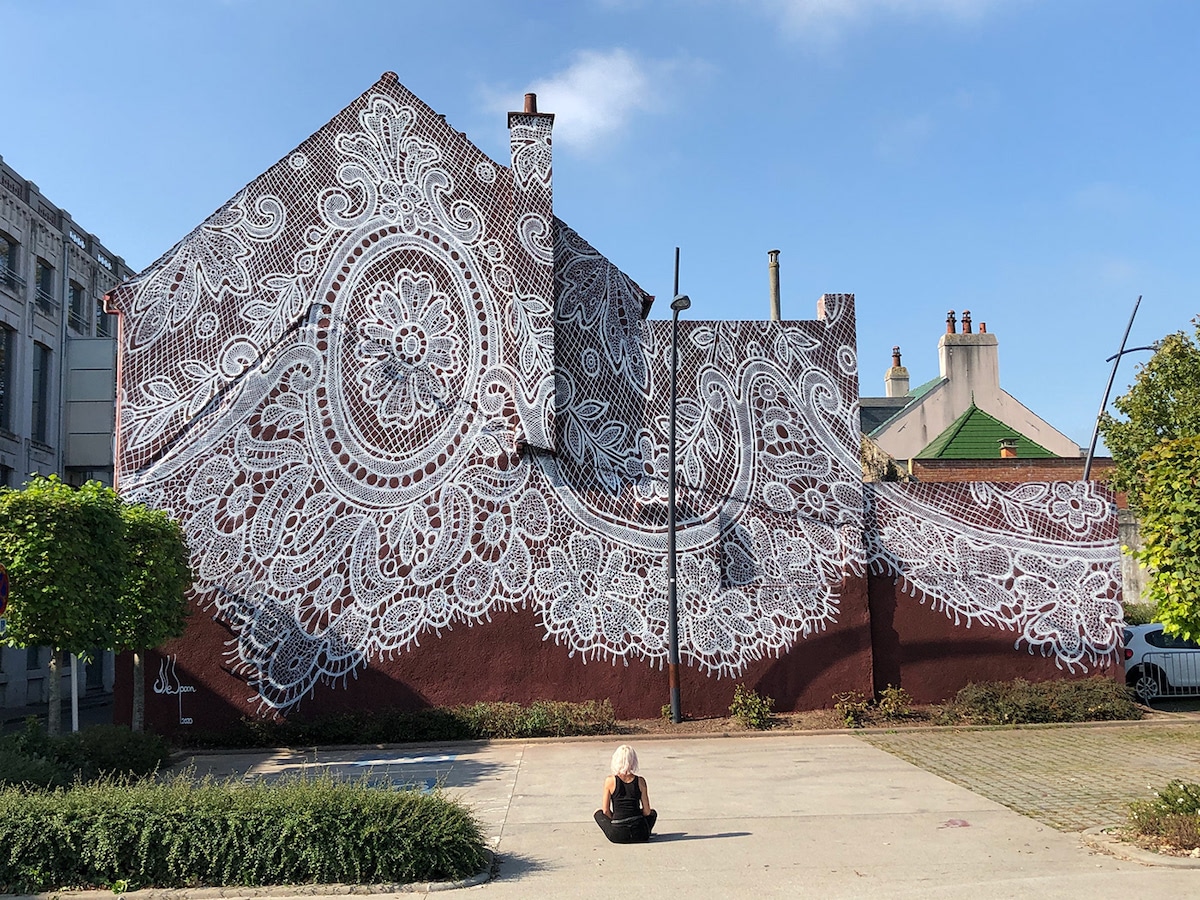
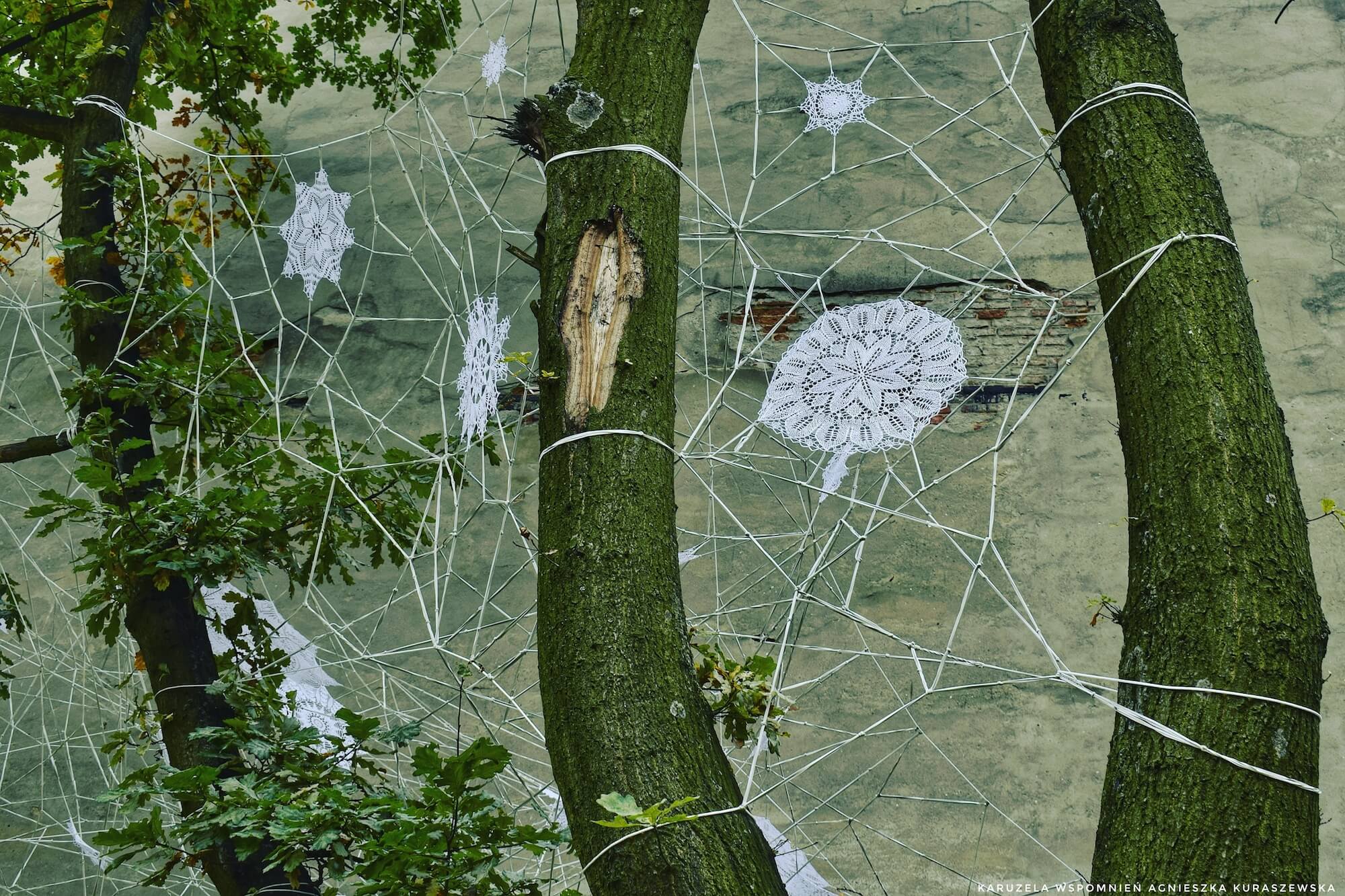
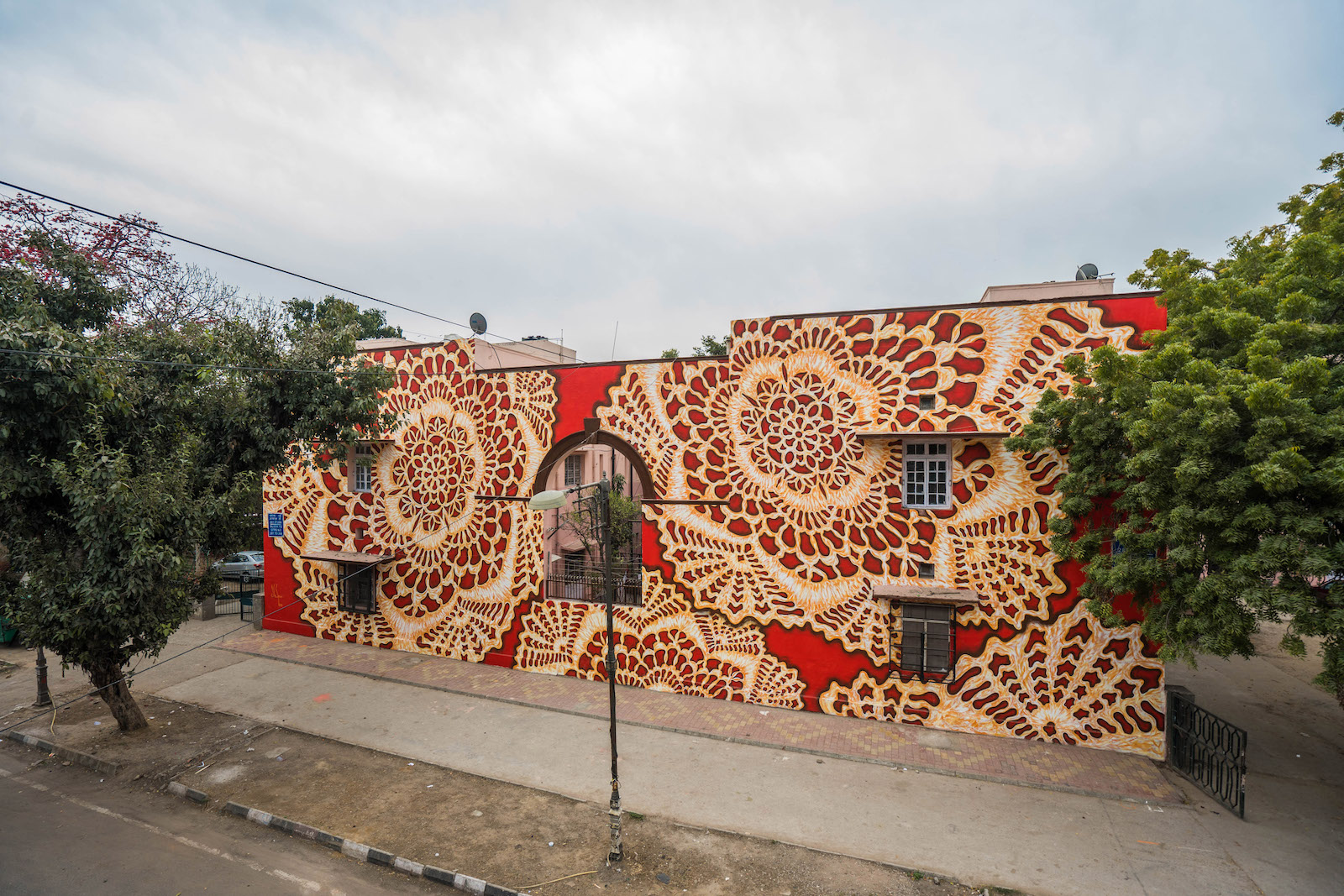
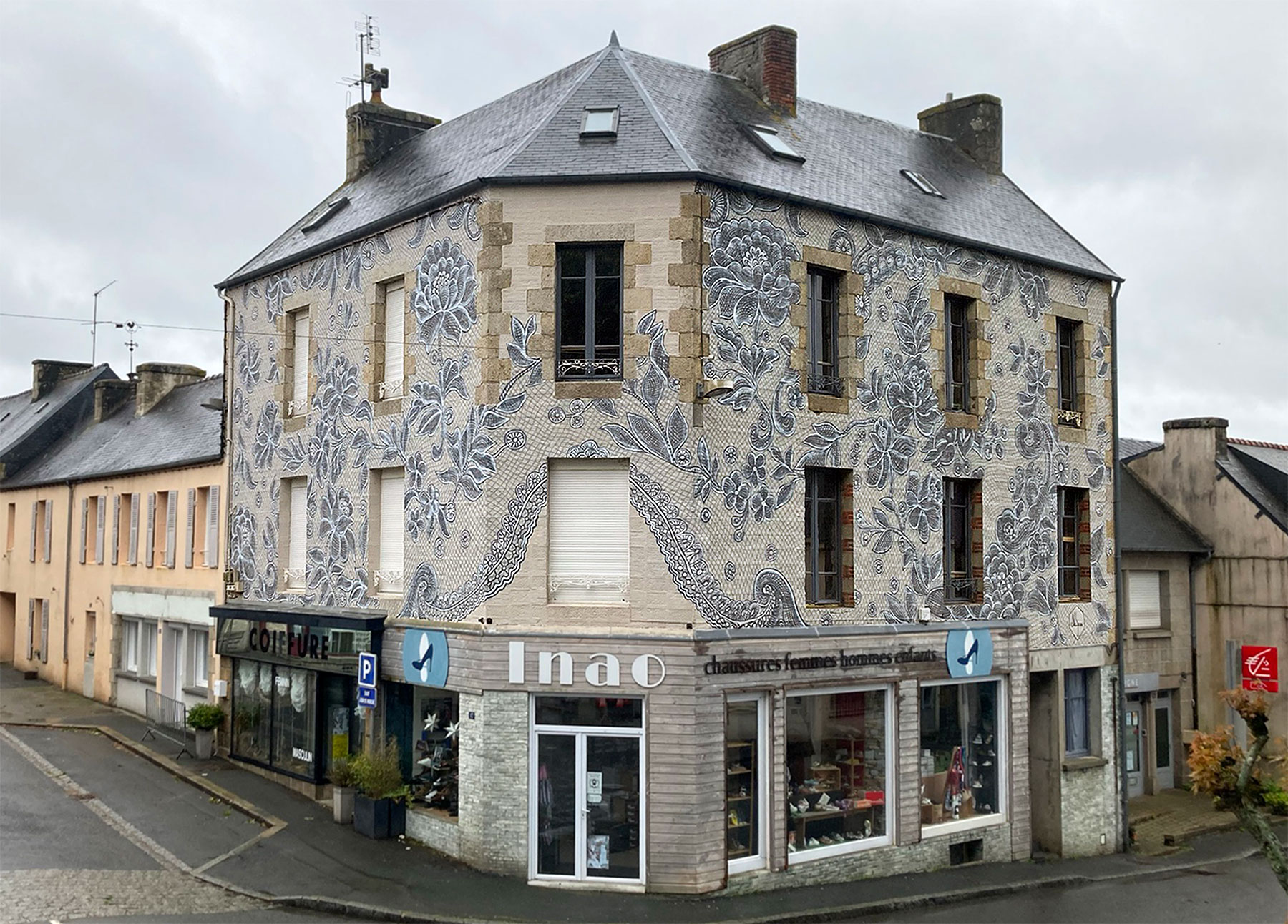
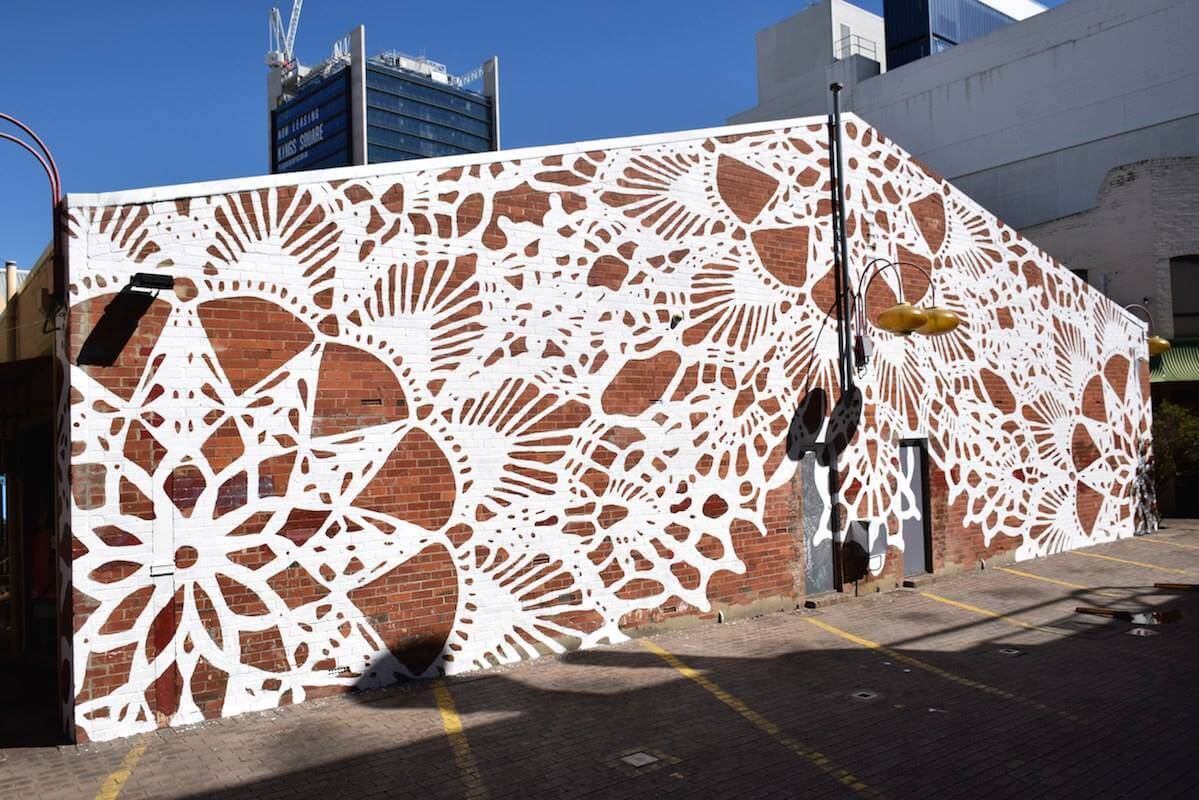
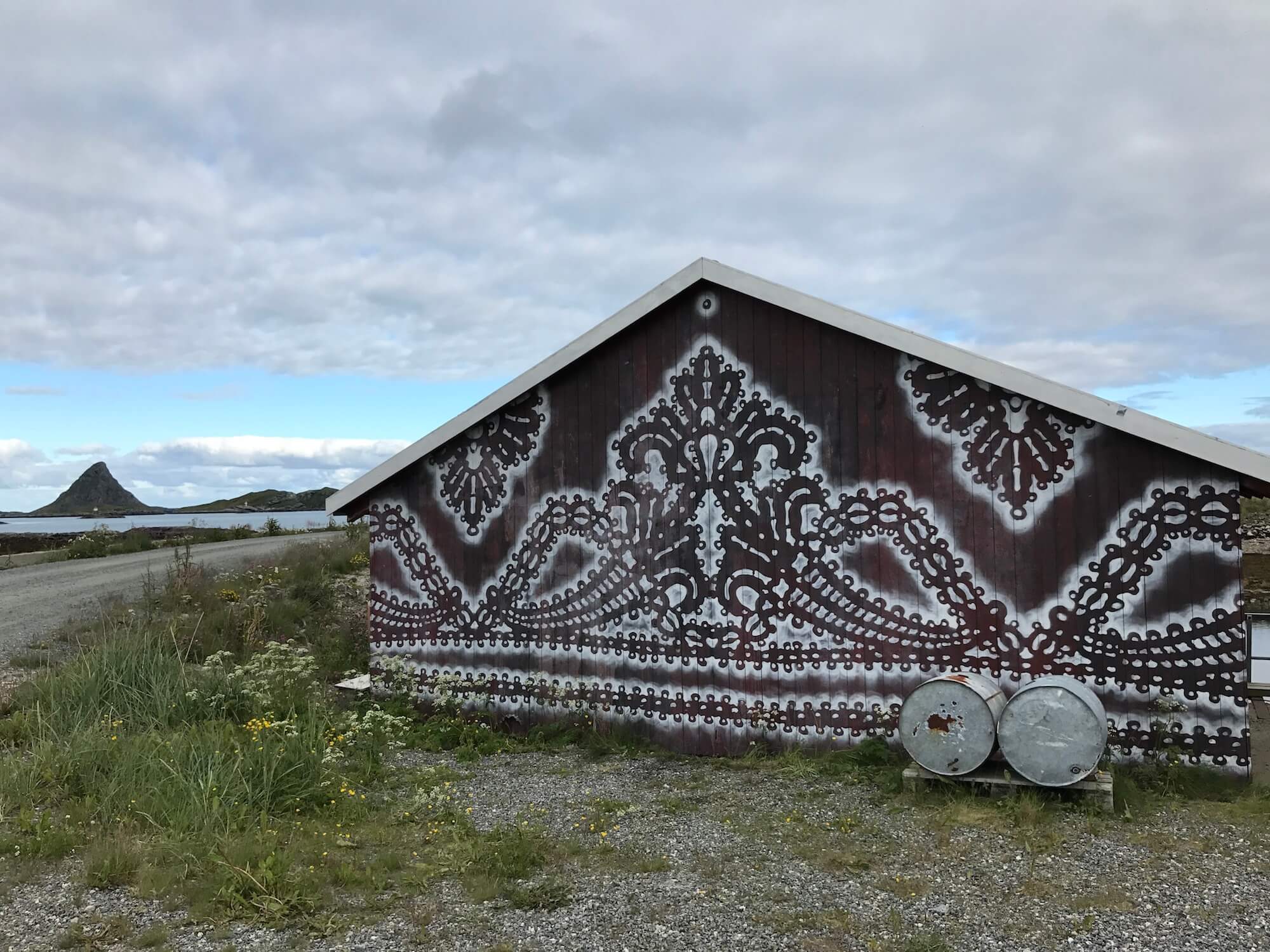
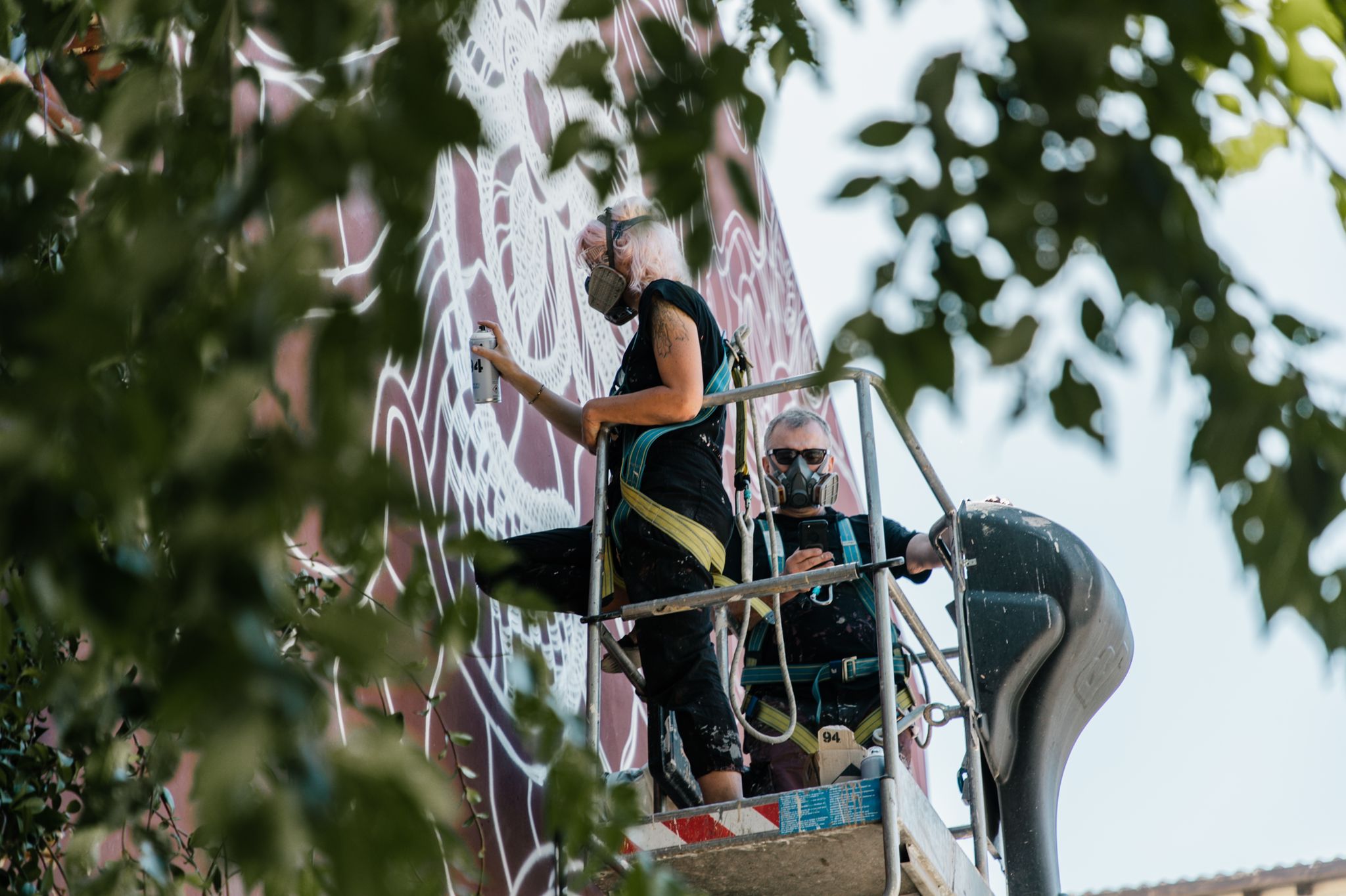
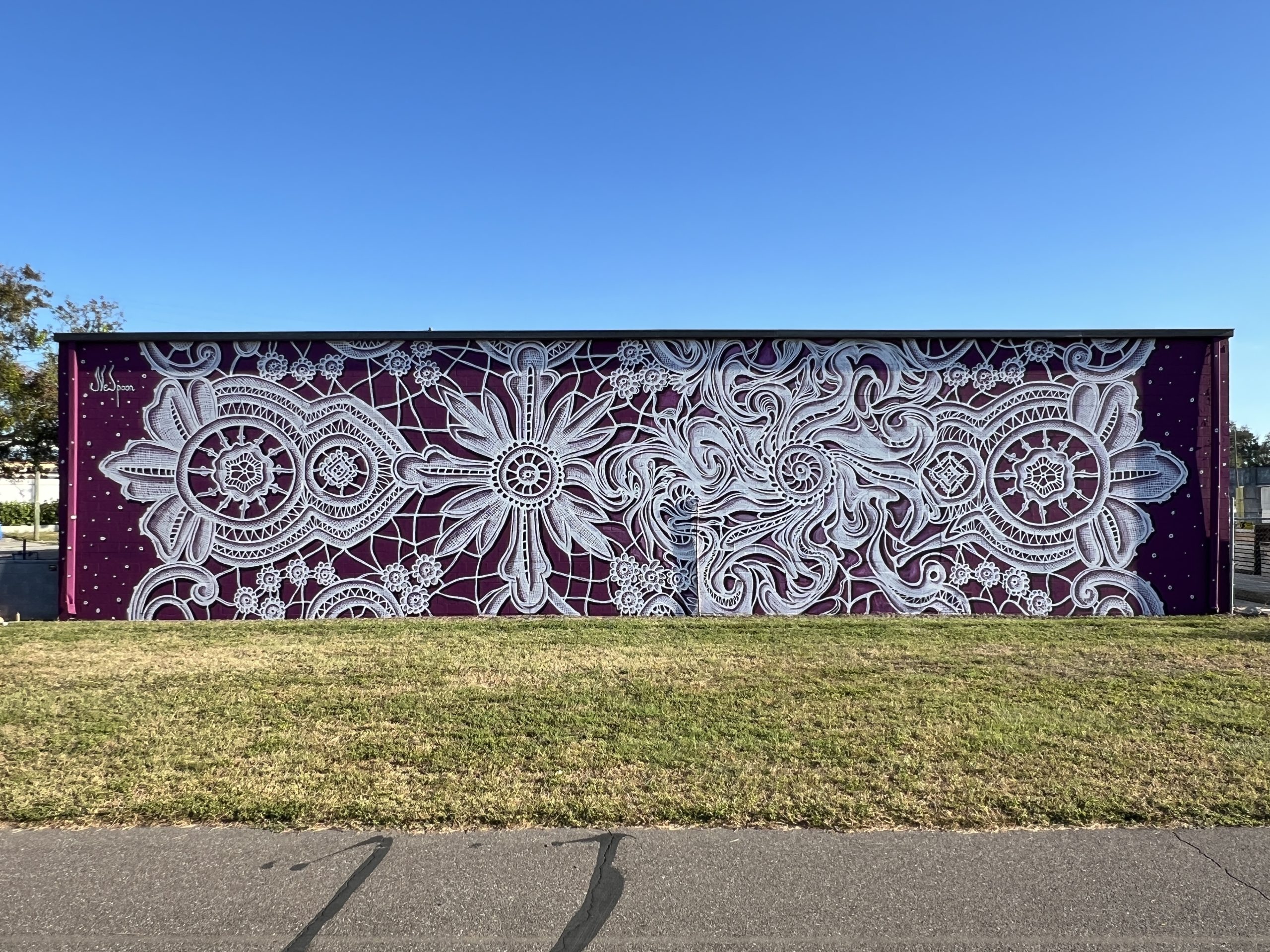
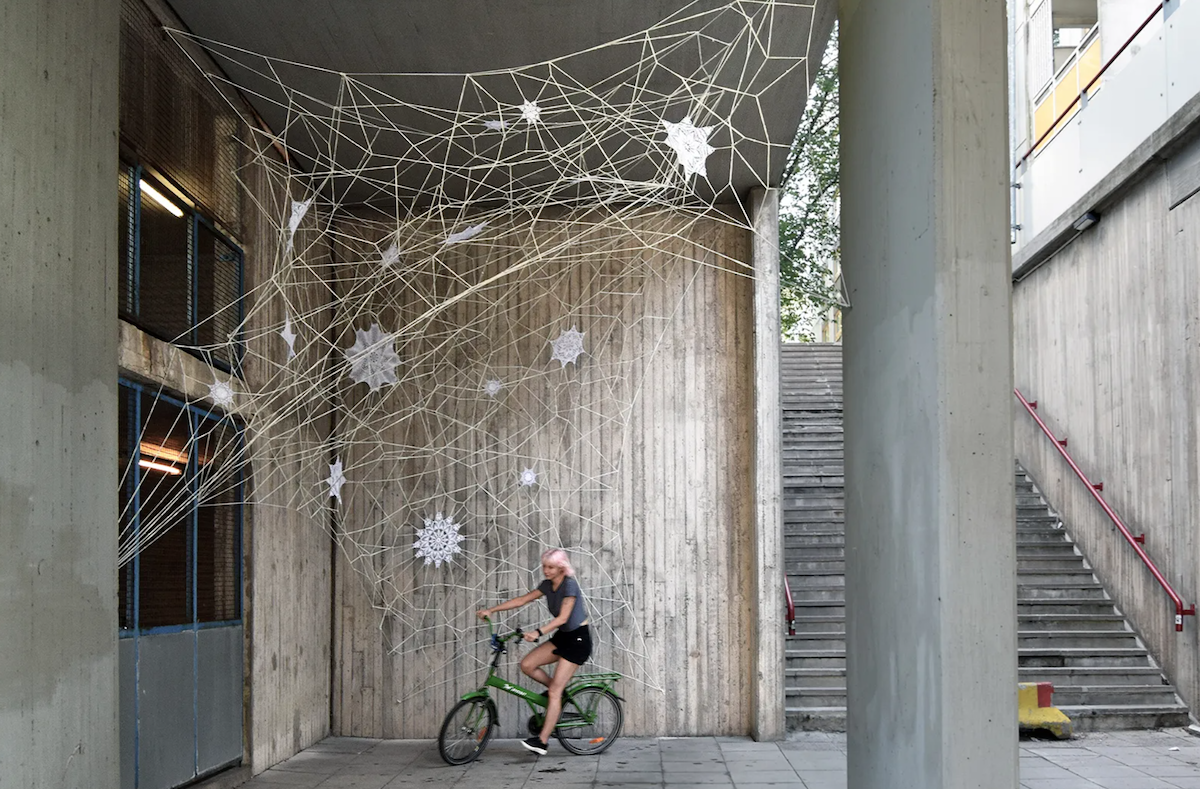
Polish artist NeSpoon has developed one of contemporary street art’s most recognisable visual languages, transforming the intricate structures of traditional lace into monumental murals, ceramic interventions, installations and stencil graffiti. Since beginning her street practice in 2009, she has carried patterns once created by hand at domestic scale onto buildings across the world.
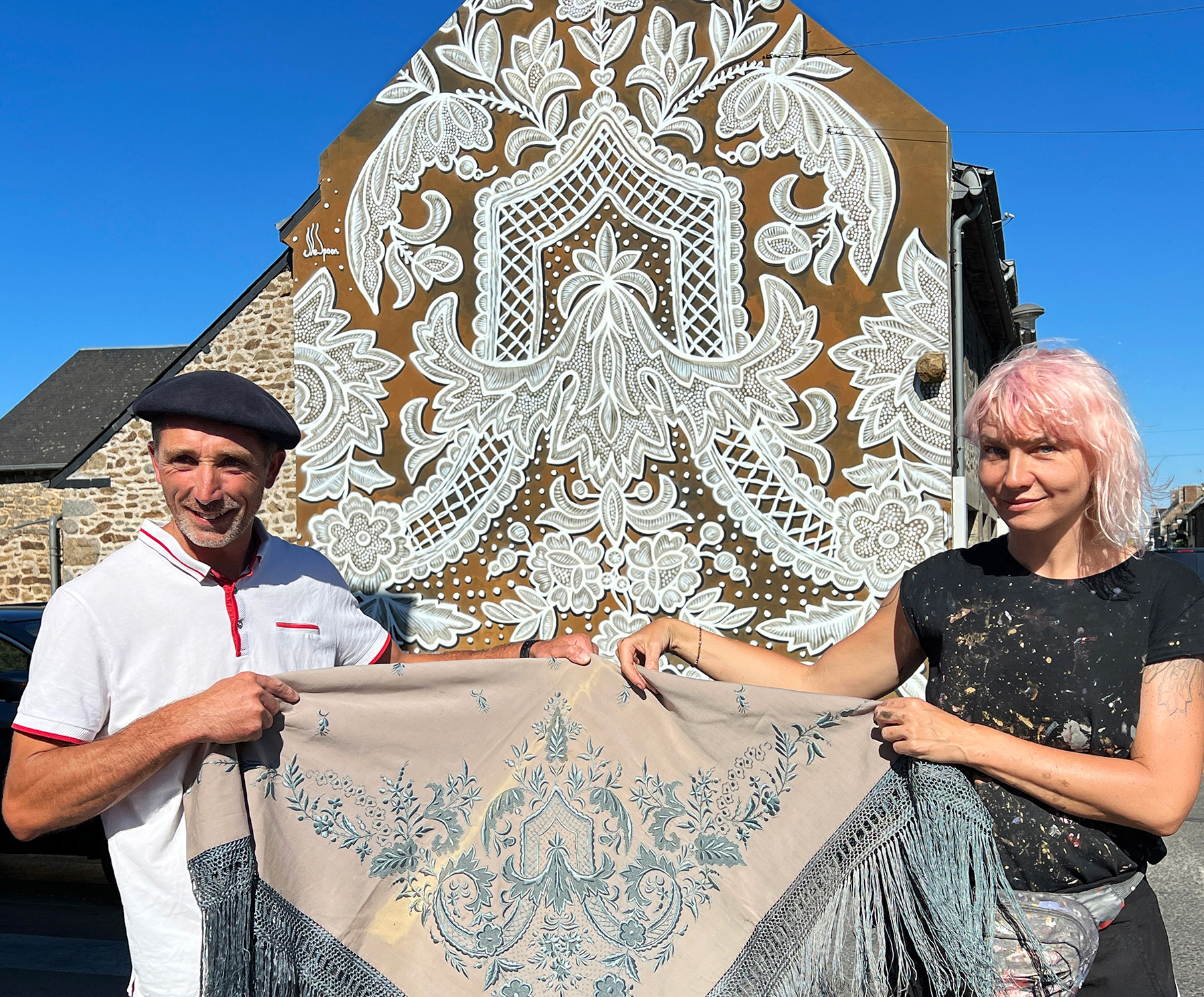
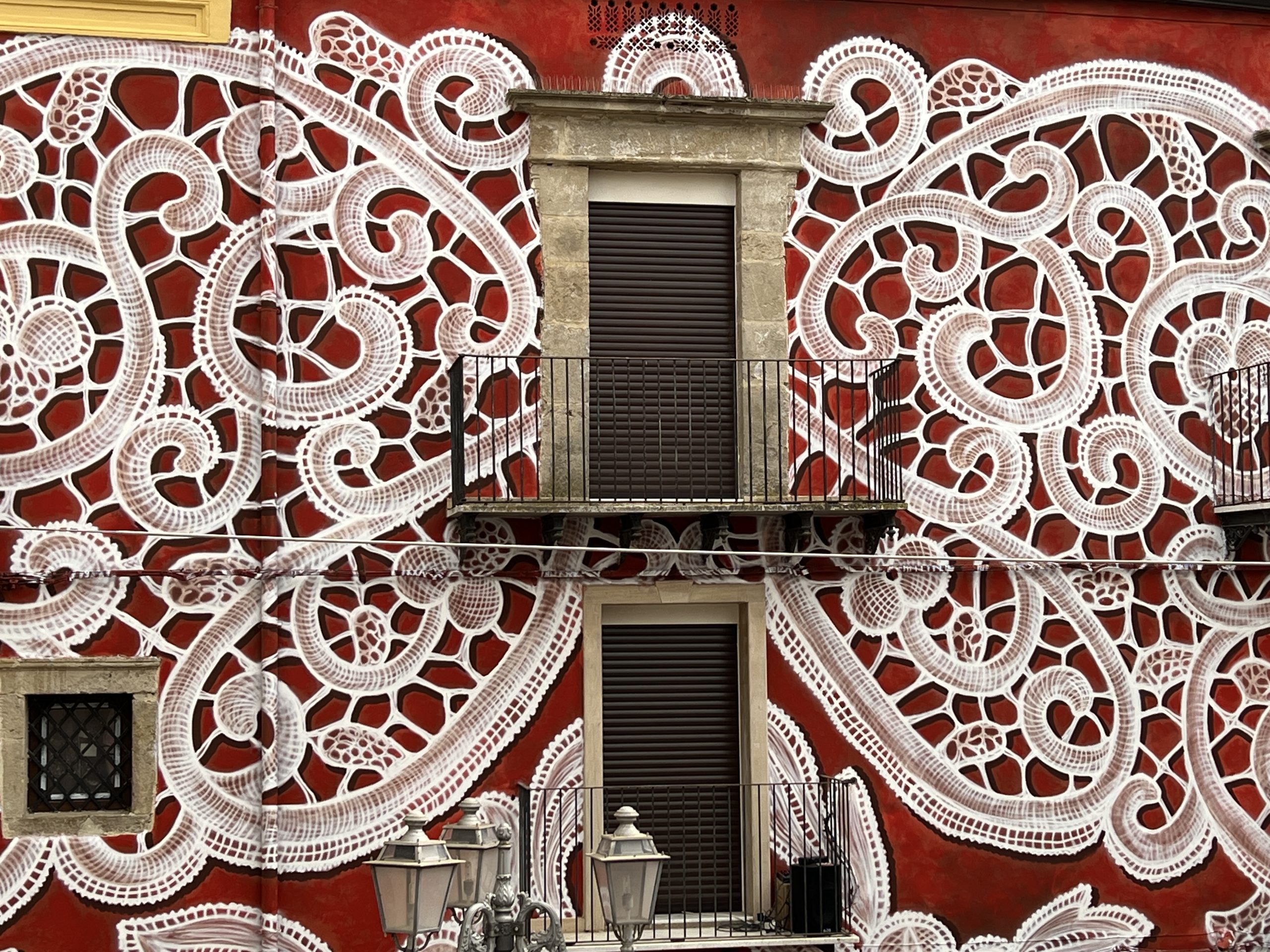
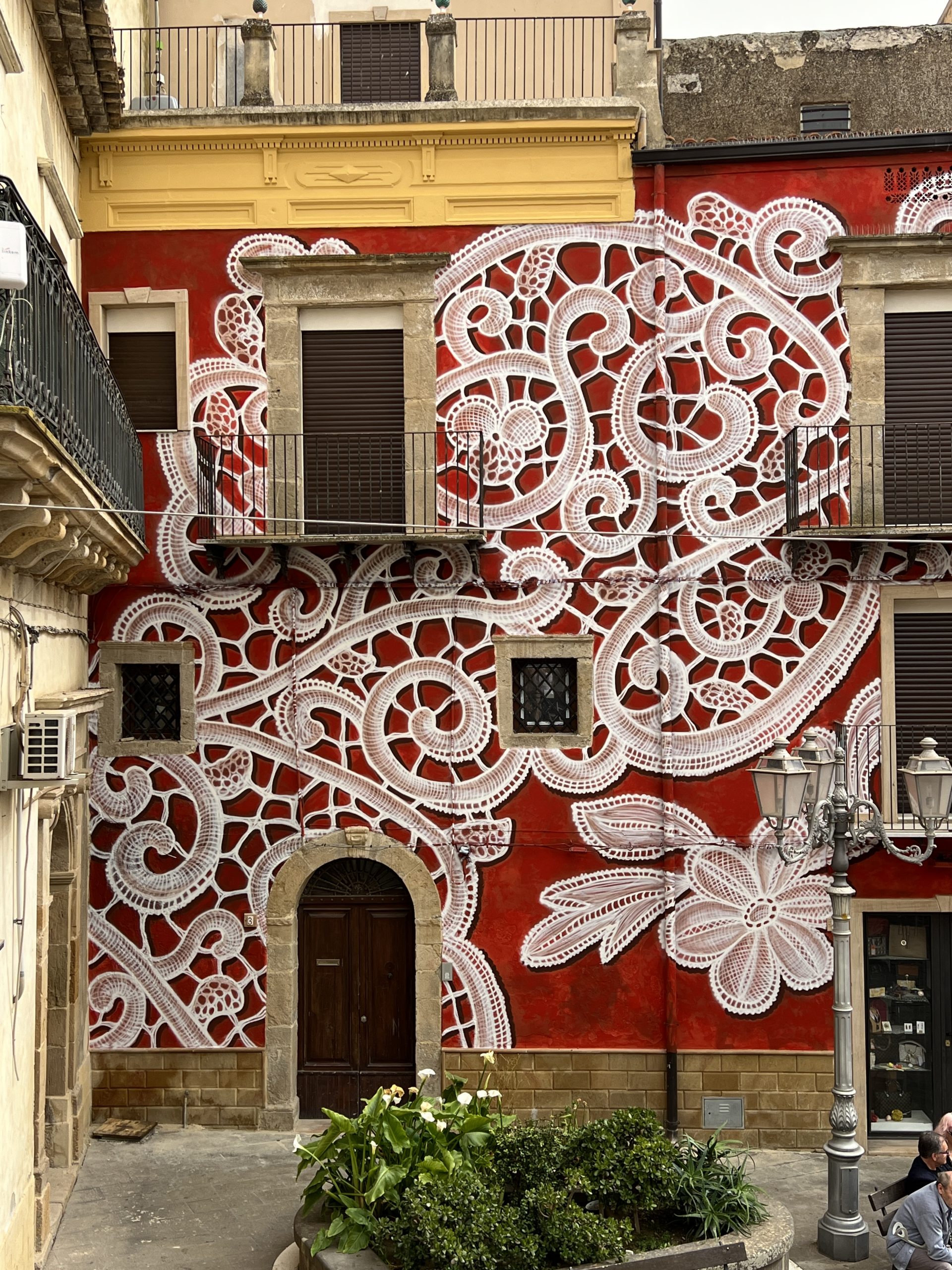
Her lace is rarely chosen for decoration alone. NeSpoon researches the places in which she works, visiting museums, archives and local lacemakers to uncover patterns connected to regional history. Enlarged across architecture, these intimate textile designs become public monuments to craftsmanship, cultural memory and generations of predominantly female makers.

Lace as an Urban Language
NeSpoon’s relationship with lace began through ceramics. Pressing real lace into wet clay led her to recognise that the pattern itself could exist independently of the functional object beneath it. In 2009, she began attaching lace-imprinted ceramic forms to city walls as small pieces of what she calls Urban Jewellery.
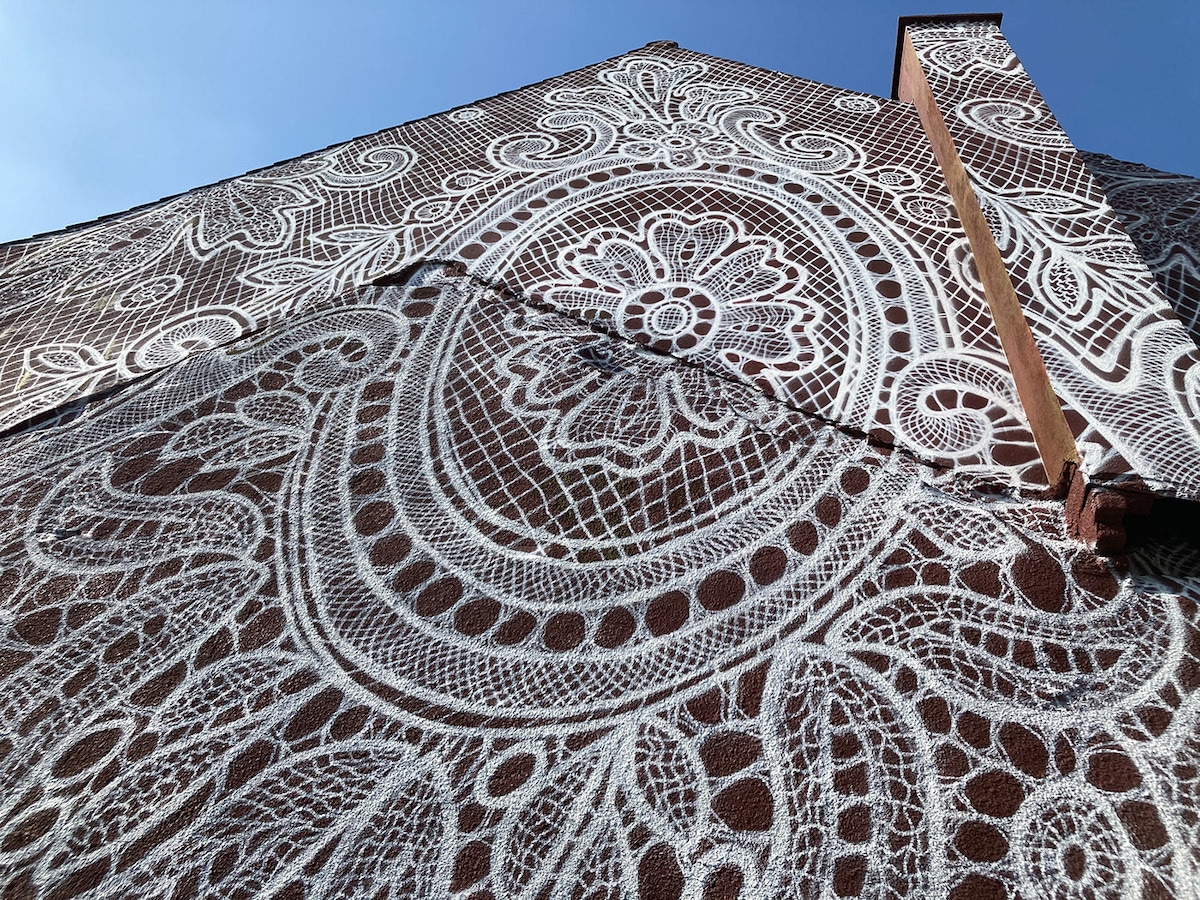
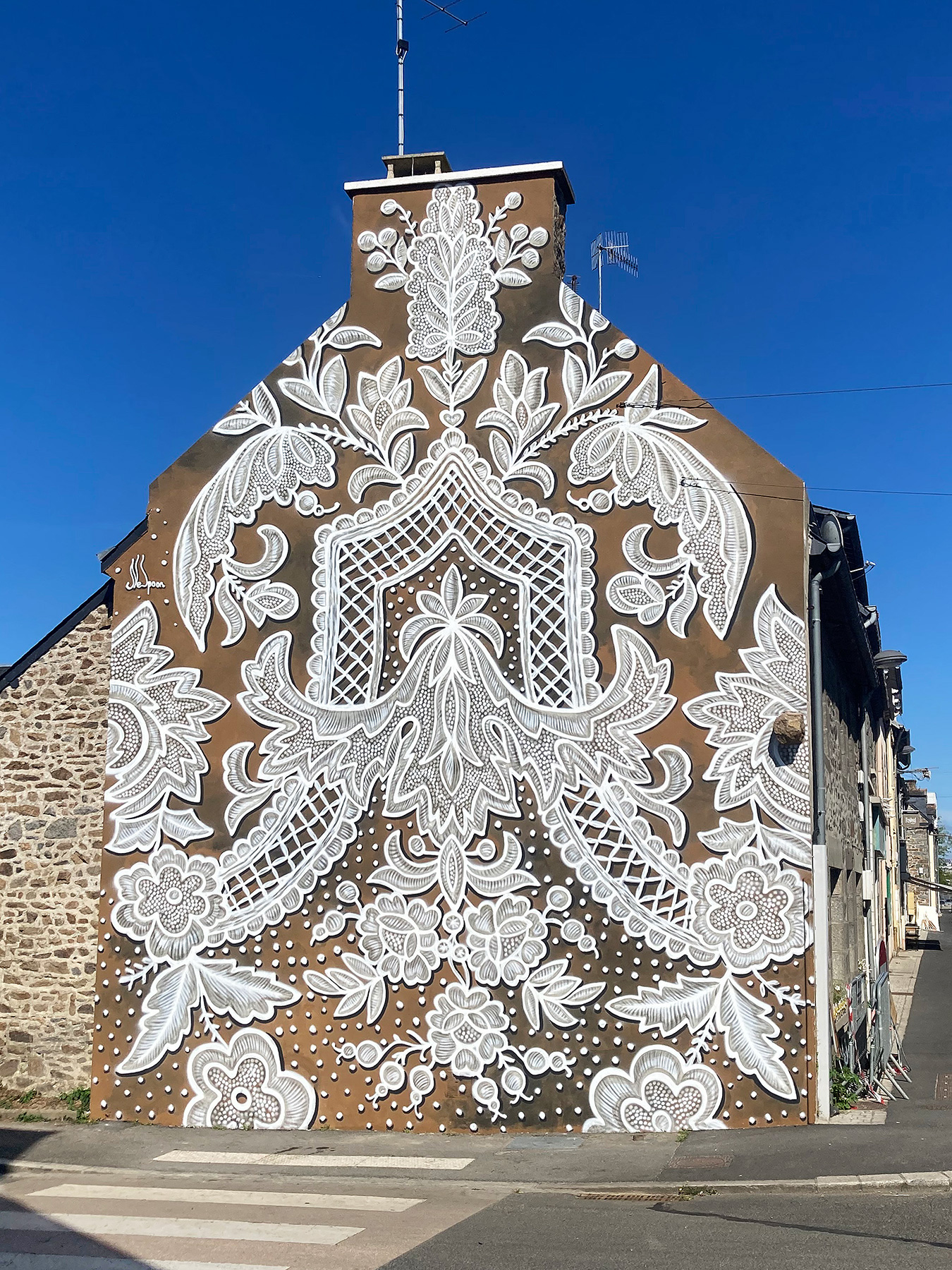
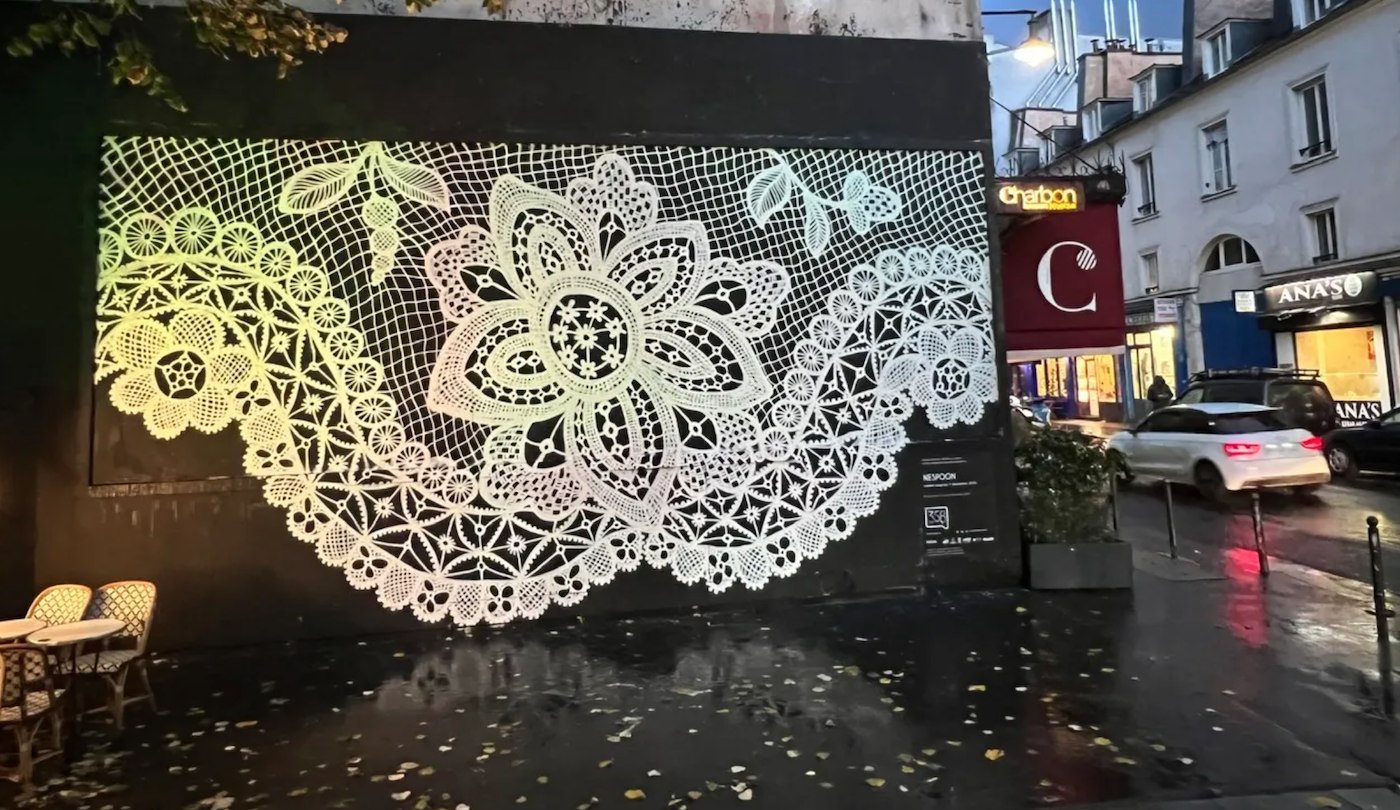
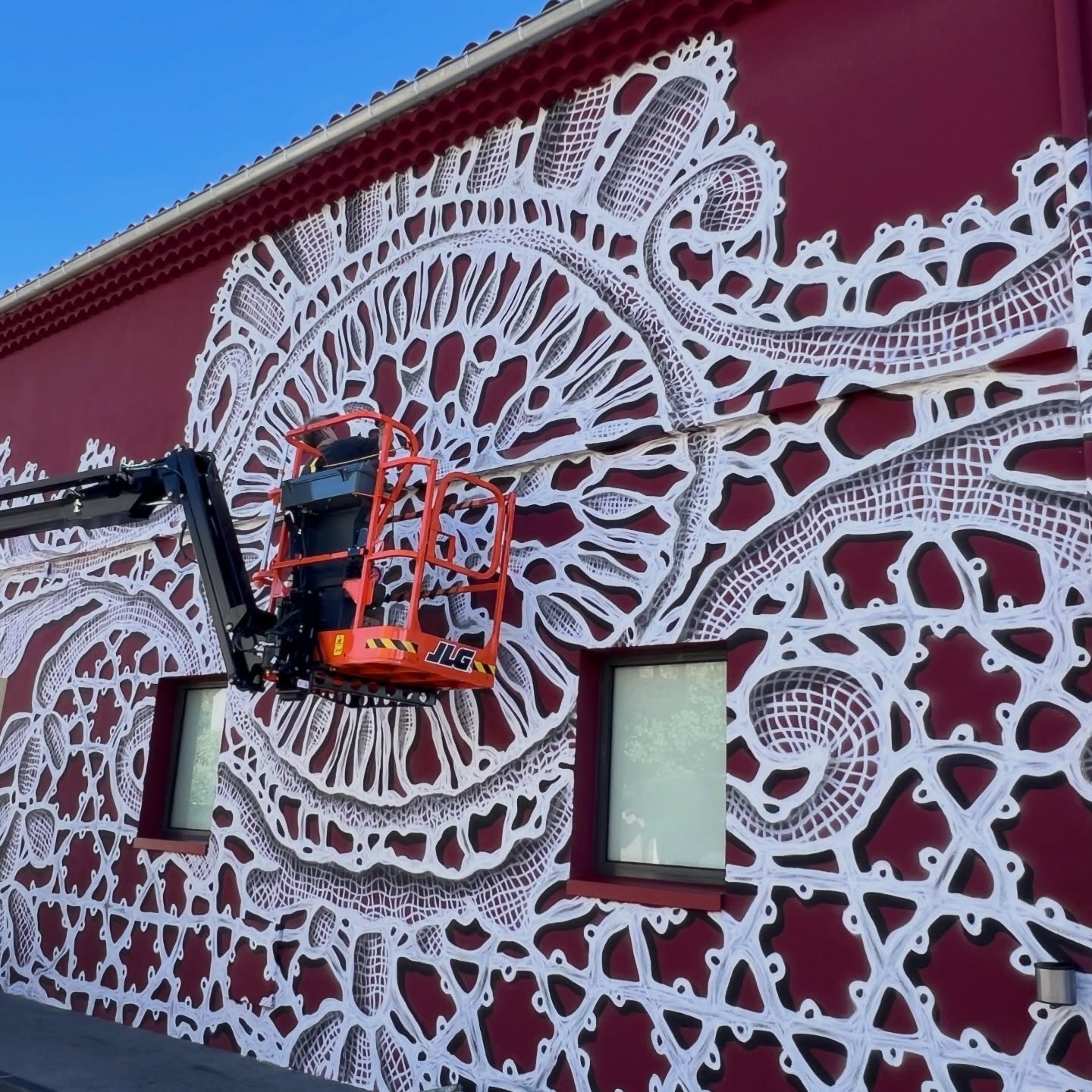
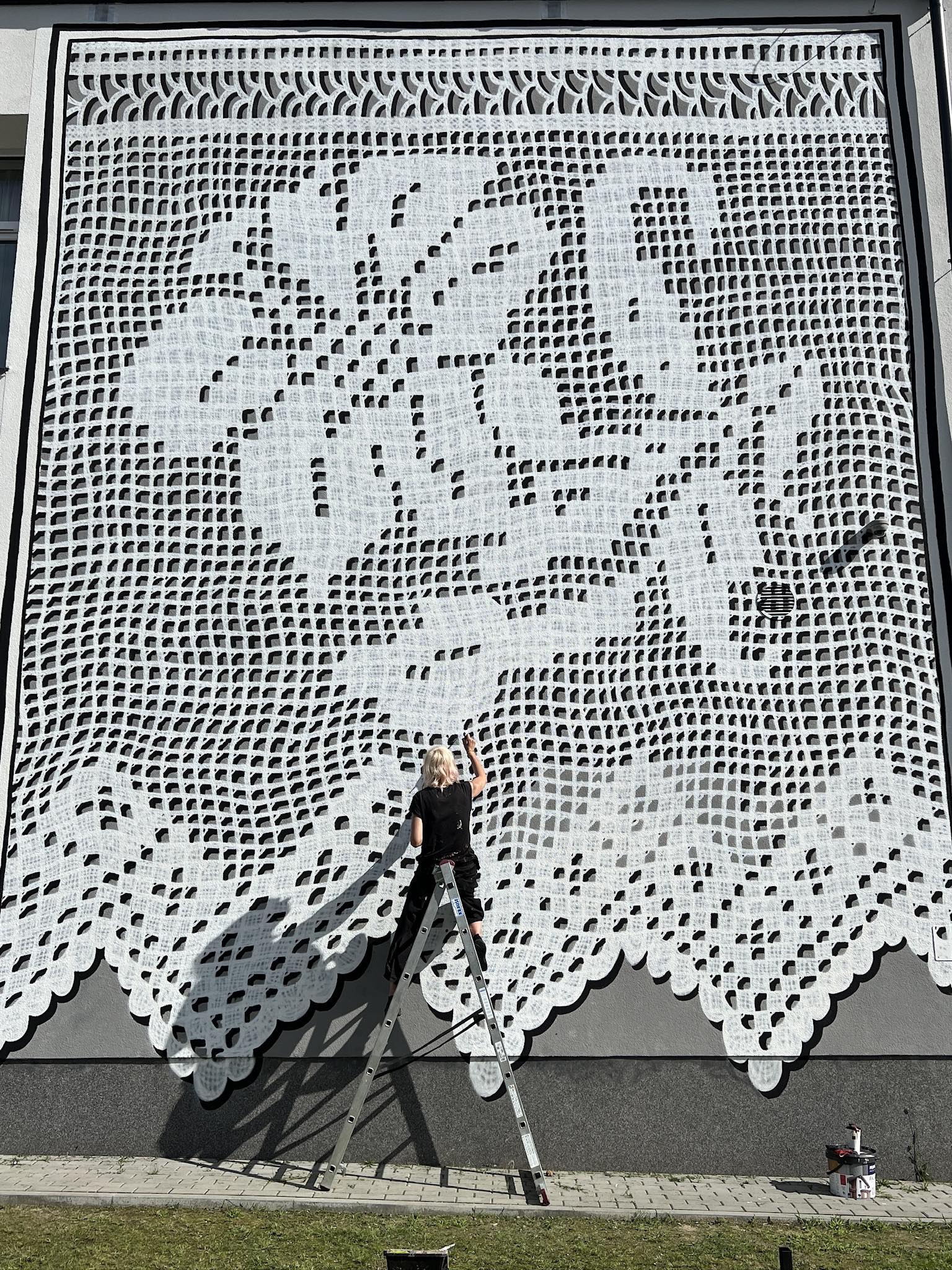
From there, the scale expanded. Hand-cut lace stencils entered her graffiti practice, followed by installations and increasingly ambitious murals. Fragile textile structures were translated into paint and stretched across brick, concrete and entire façades.
The contrast remains compelling: something historically associated with delicacy, domestic labour and painstaking handwork is enlarged until it commands the architecture around it.
Local Lace, Women and Cultural Memory
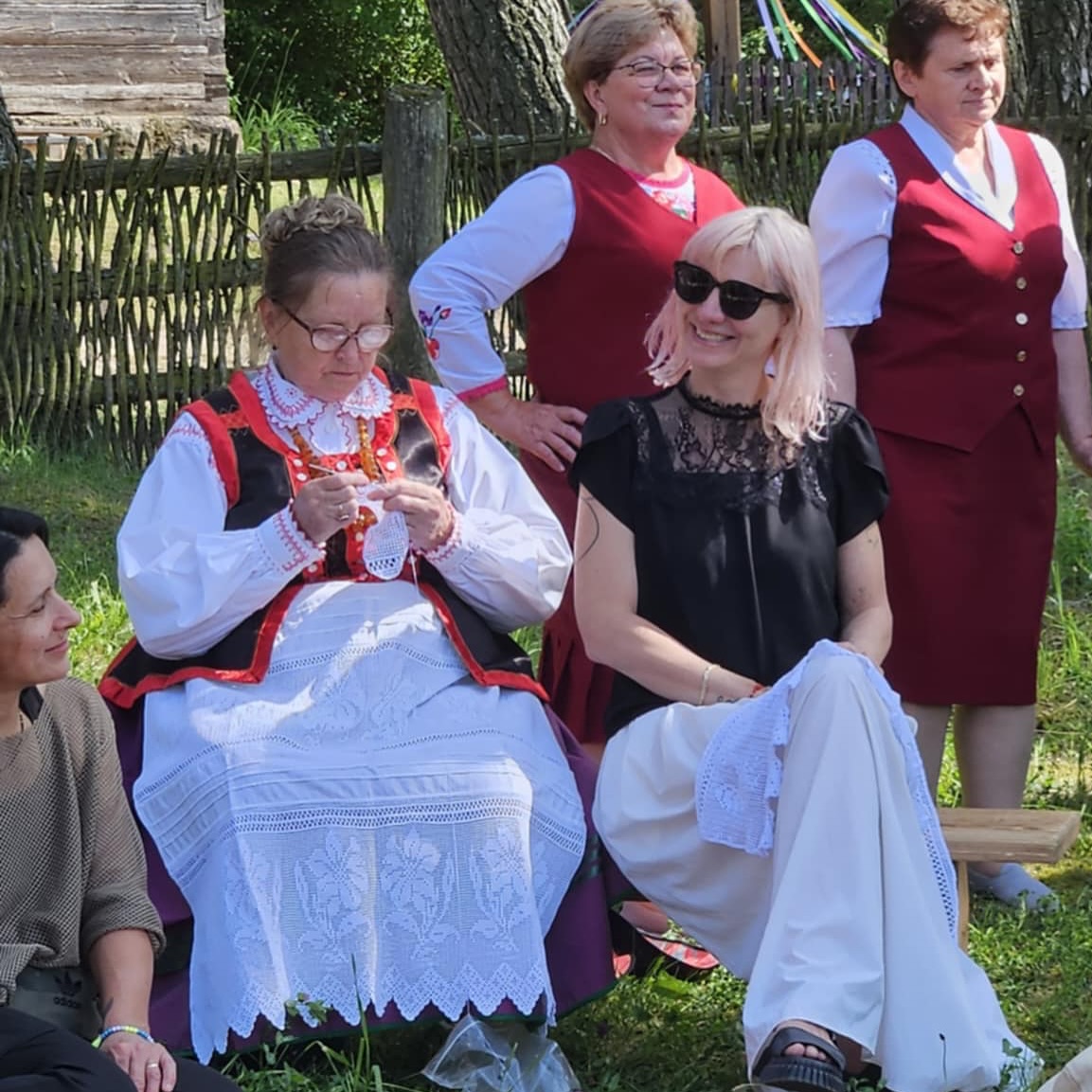
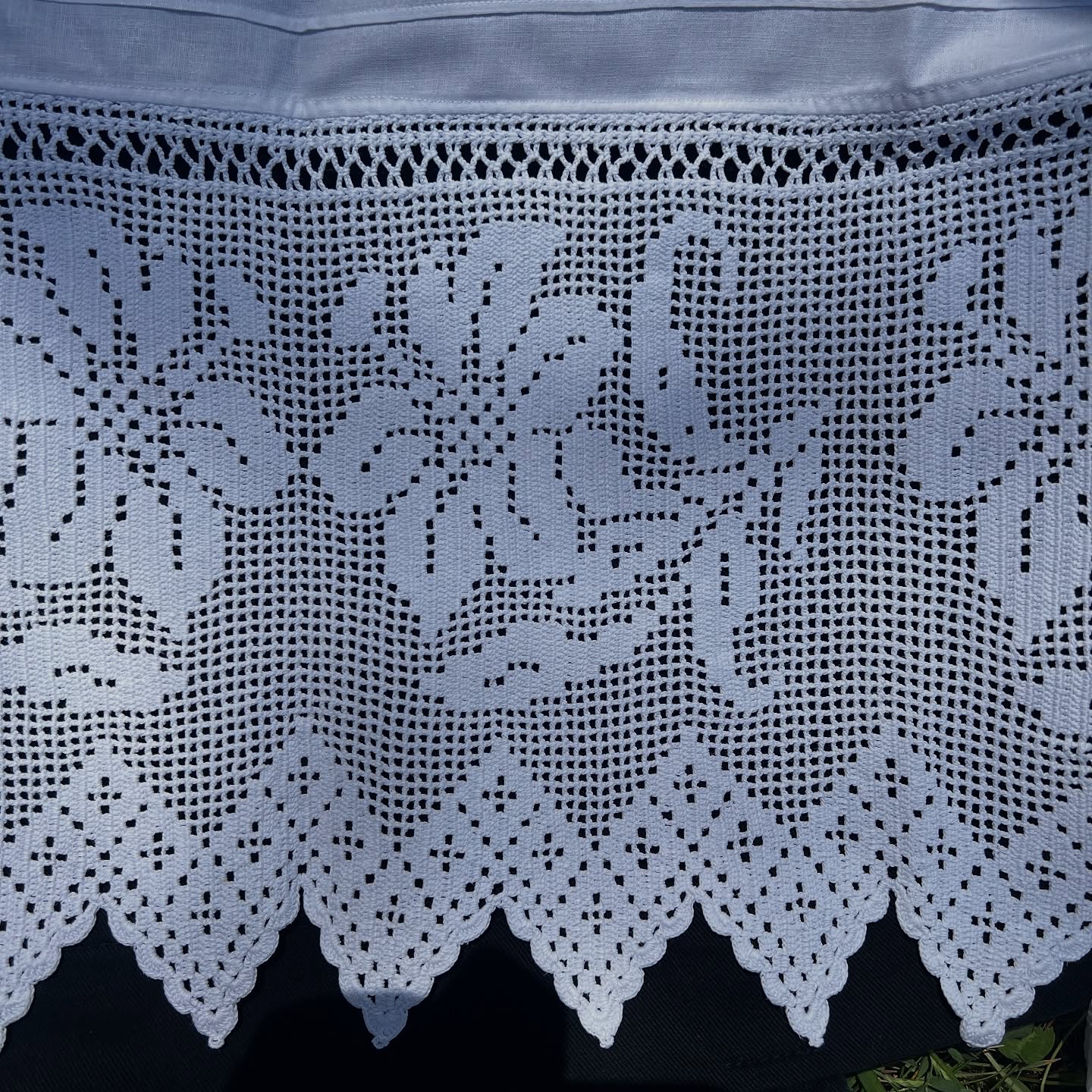
Research is fundamental to NeSpoon’s murals. Rather than applying the same motif wherever she travels, she frequently seeks out lace connected directly to the region, working with museum collections, historical archives and contemporary makers.
This relationship between place and pattern gives the work much of its depth. A mural can appear immediately beautiful from a distance, while closer investigation reveals a specific textile, maker or community embedded within its design.
From Monumental Murals to Illegal Lace
Alongside her commissioned murals, NeSpoon maintains a more traditional graffiti practice using ceramics and hand-cut stencils derived from antique lace patterns. She repeatedly fixes or paints these motifs across urban environments, following the graffiti tradition of bombing and allowing a single lace design to travel between different walls and cities.
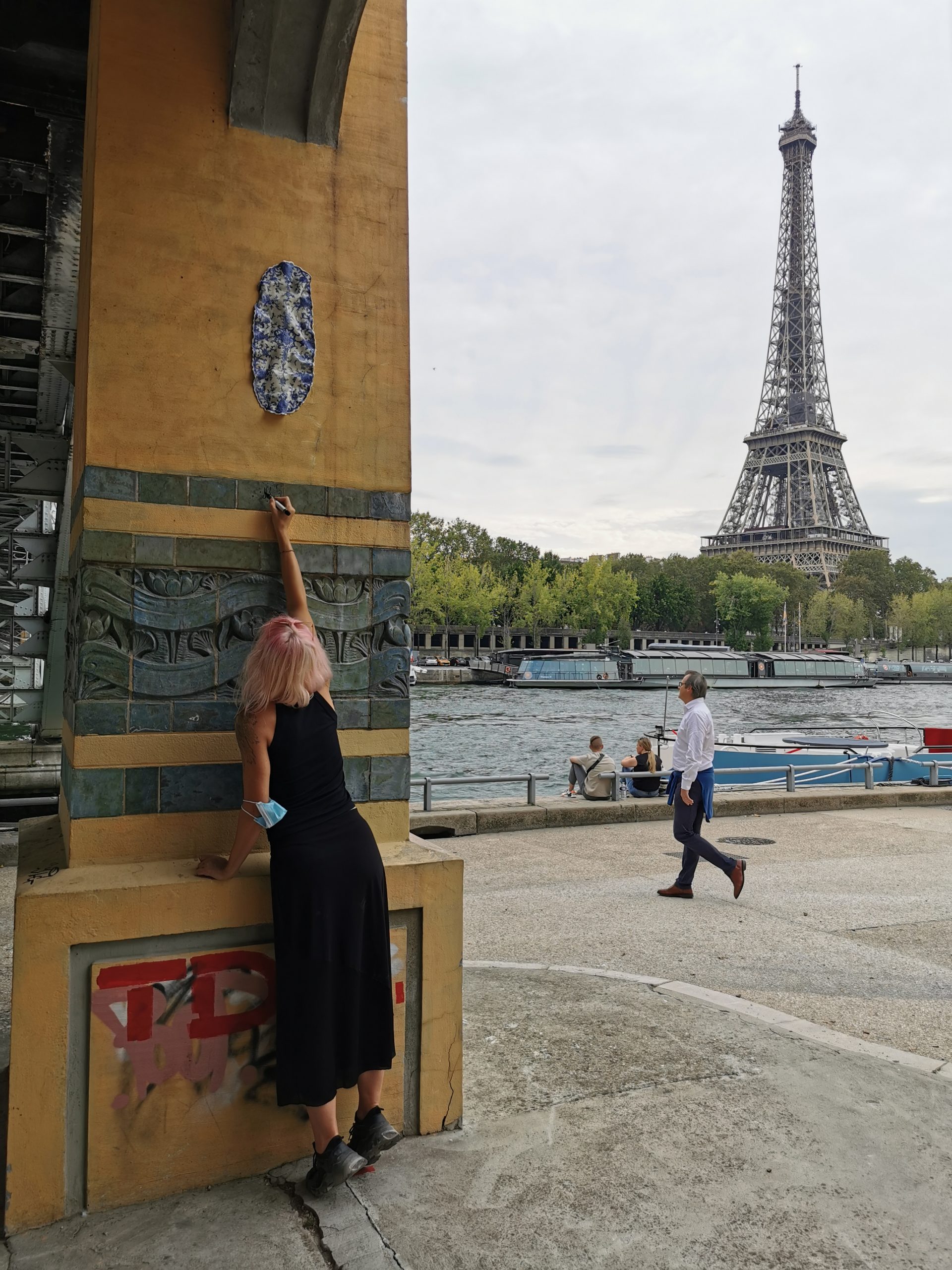
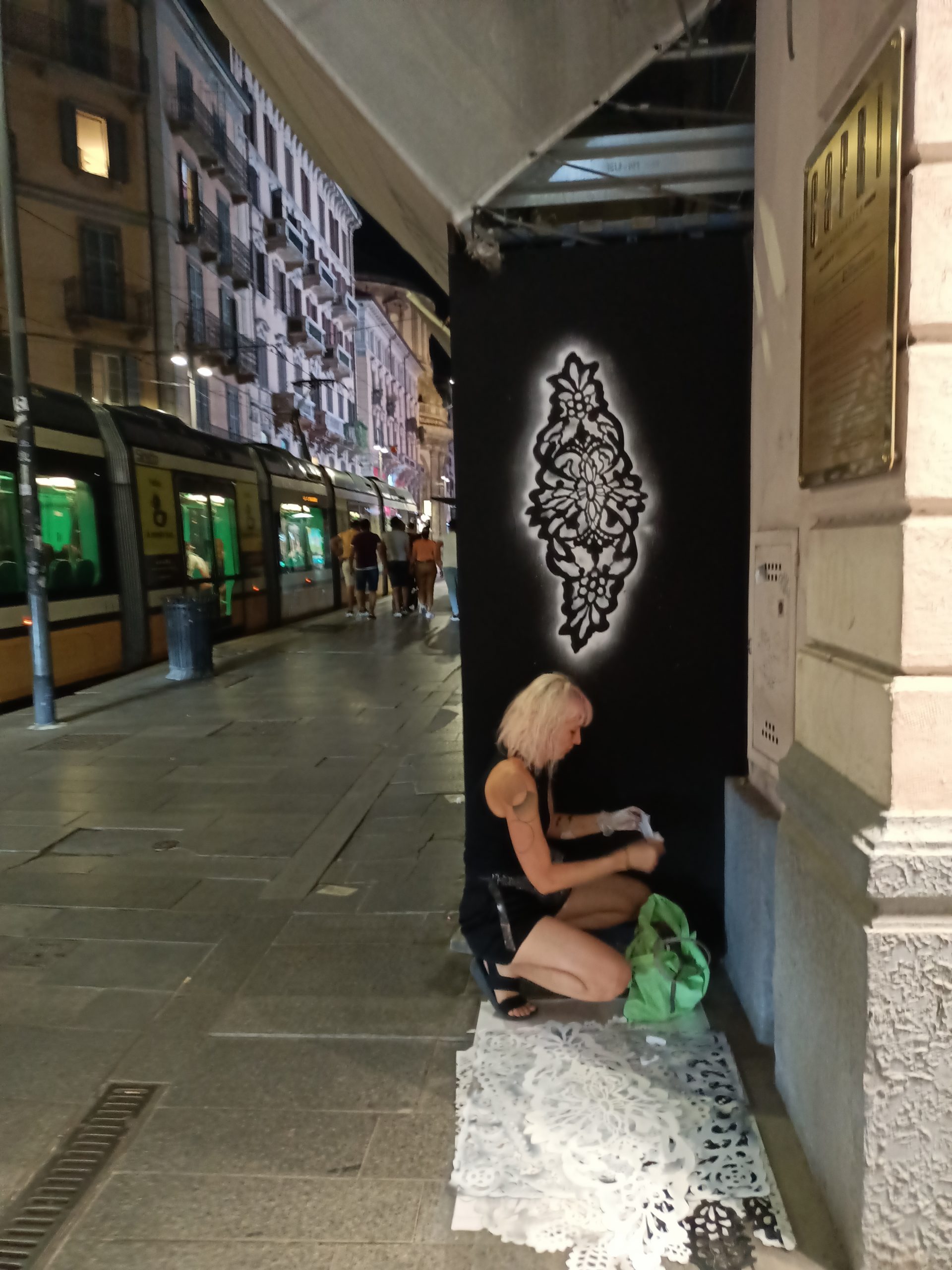
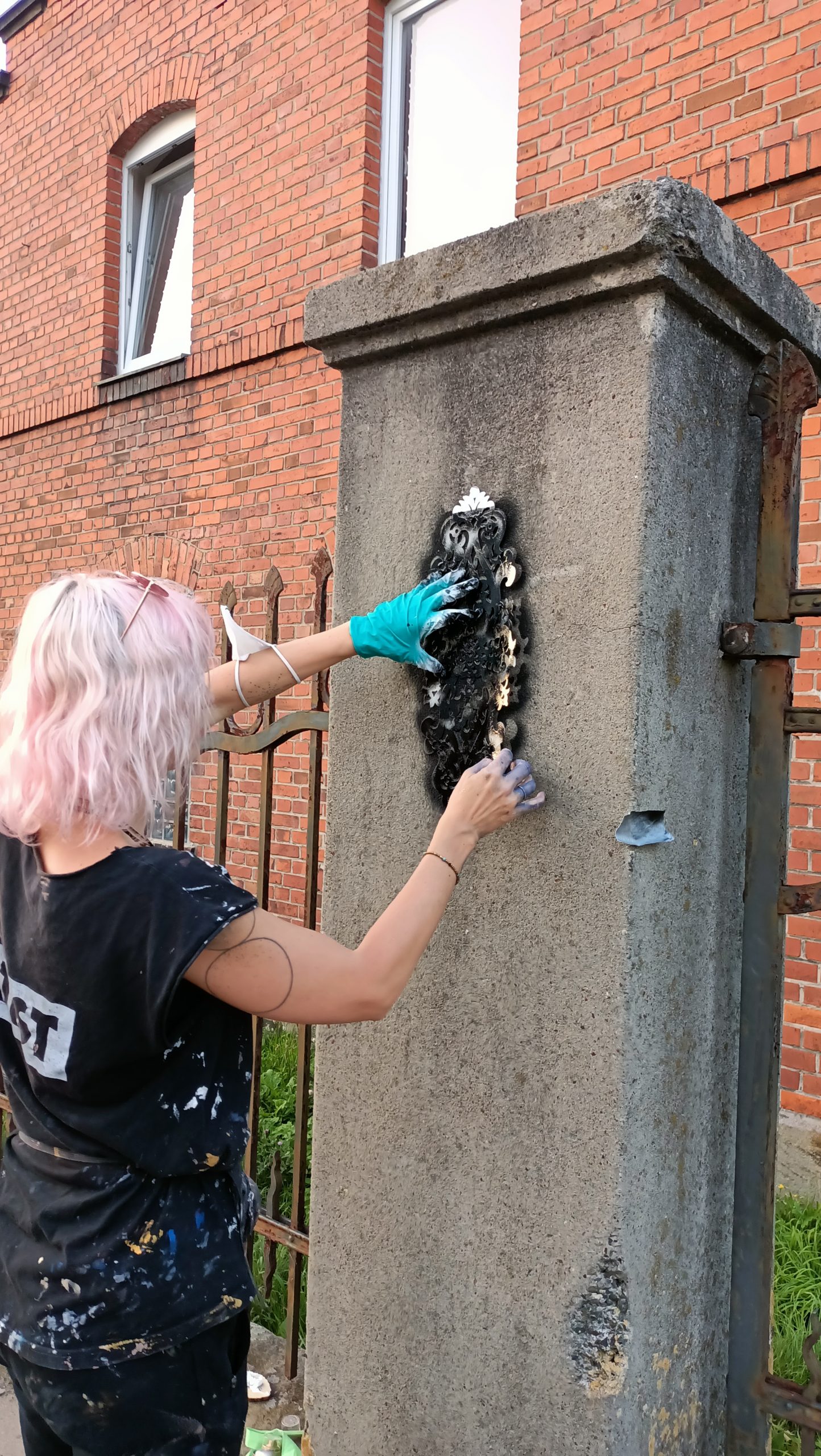
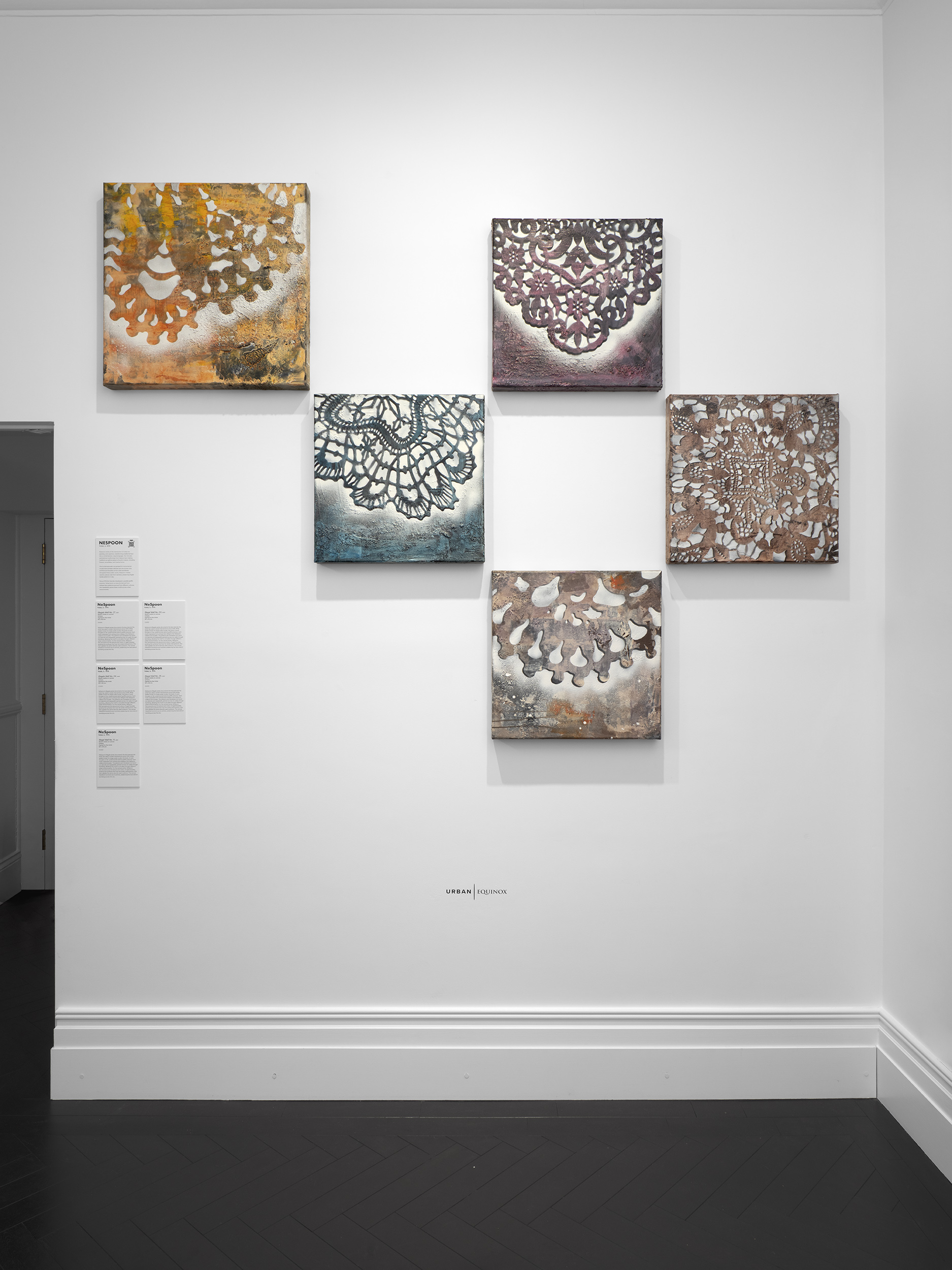
Her Illegals paintings bring this part of the street practice into the studio. NeSpoon recreates the textures and colours of aged urban walls on canvas before applying the same lace stencils used outside, turning each painting into a kind of archive of the street intervention. GraffitiStreet presented works from the series in Urban Equinox in 2026.
This creates an interesting counterpoint within her practice: carefully researched monumental murals coexist with small unsanctioned interventions, while both are connected through the same historic language of lace.
Related Reading: NeSpoon
GraffitiStreet’s International Women’s Day interview with NeSpoon explores her beginnings in street art, childhood memories of the Berlin Wall, the origins of her name and her fascination with the social and cultural history of lacemaking.
In NeSpoon’s Vintage Lace Mural Envelops the Lace and Fashion Museum, we documented her 2020 Calais mural based on an 1894 machine-lace design preserved within the museum’s archive.
NeSpoon Brings Her Delicate Lace Patterns to Callac follows her to Brittany in 2021, where a nineteenth-century French needle-lace pattern was enlarged across a building despite six days of difficult rain and wind.
In Celebrating Tradition: NeSpoon’s Tribute to Mirabella Imbaccari, the artist drew from the Sicilian town’s historic bobbin-lace tradition and the archives of Palazzo Biscari.
NeSpoon in Nowogród: Weaving Lace into the City explores a 2025 mural derived from the lace of a traditional Kurpie folk-costume apron handmade by local folk artist Czesława Lewandowska.
Later that year, NeSpoon in Sicily: A Lacework Mural of Memory and Community followed her to Alcamo, where residents opened their homes and family lace collections to help inspire the mural created for Urban Sunrise Festival.
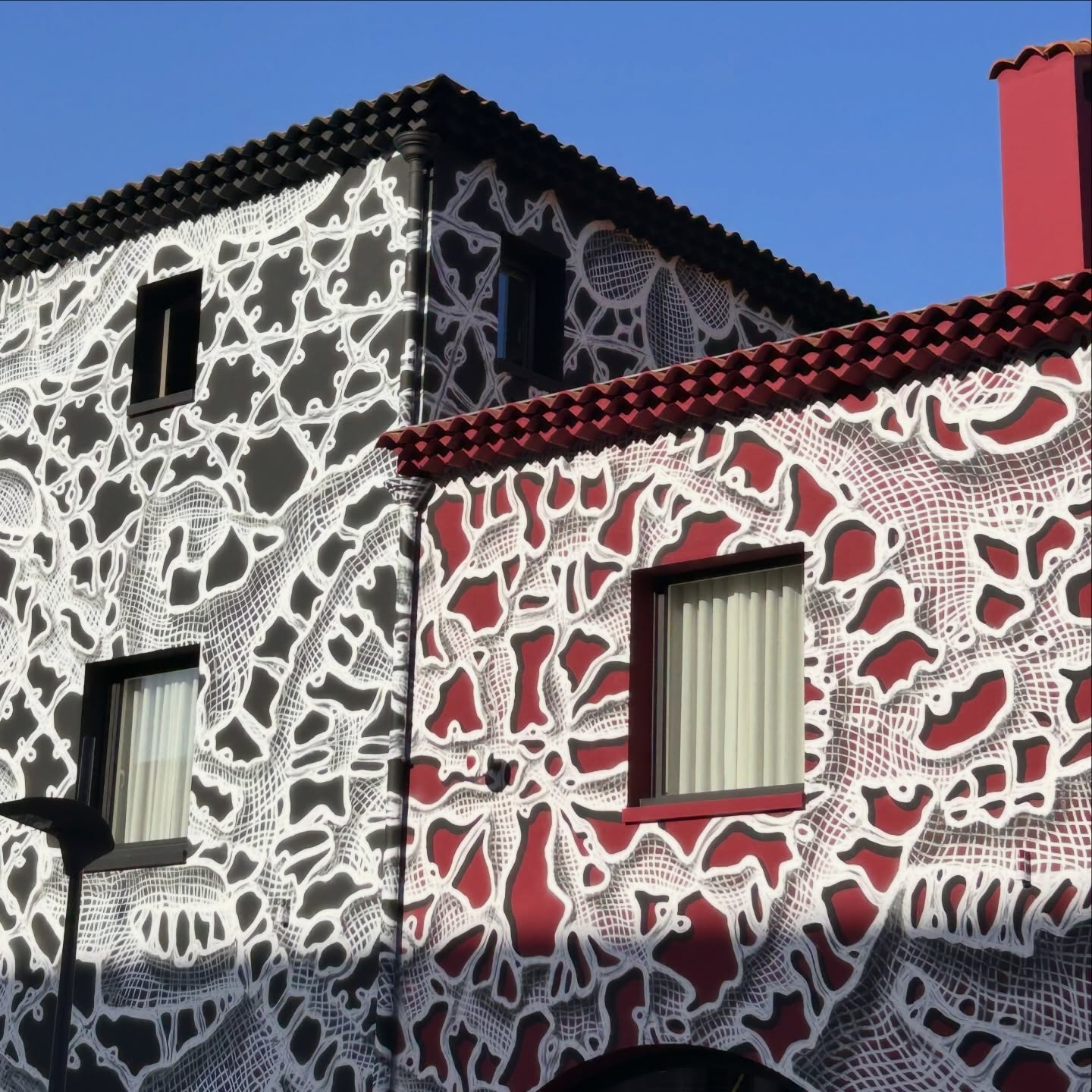
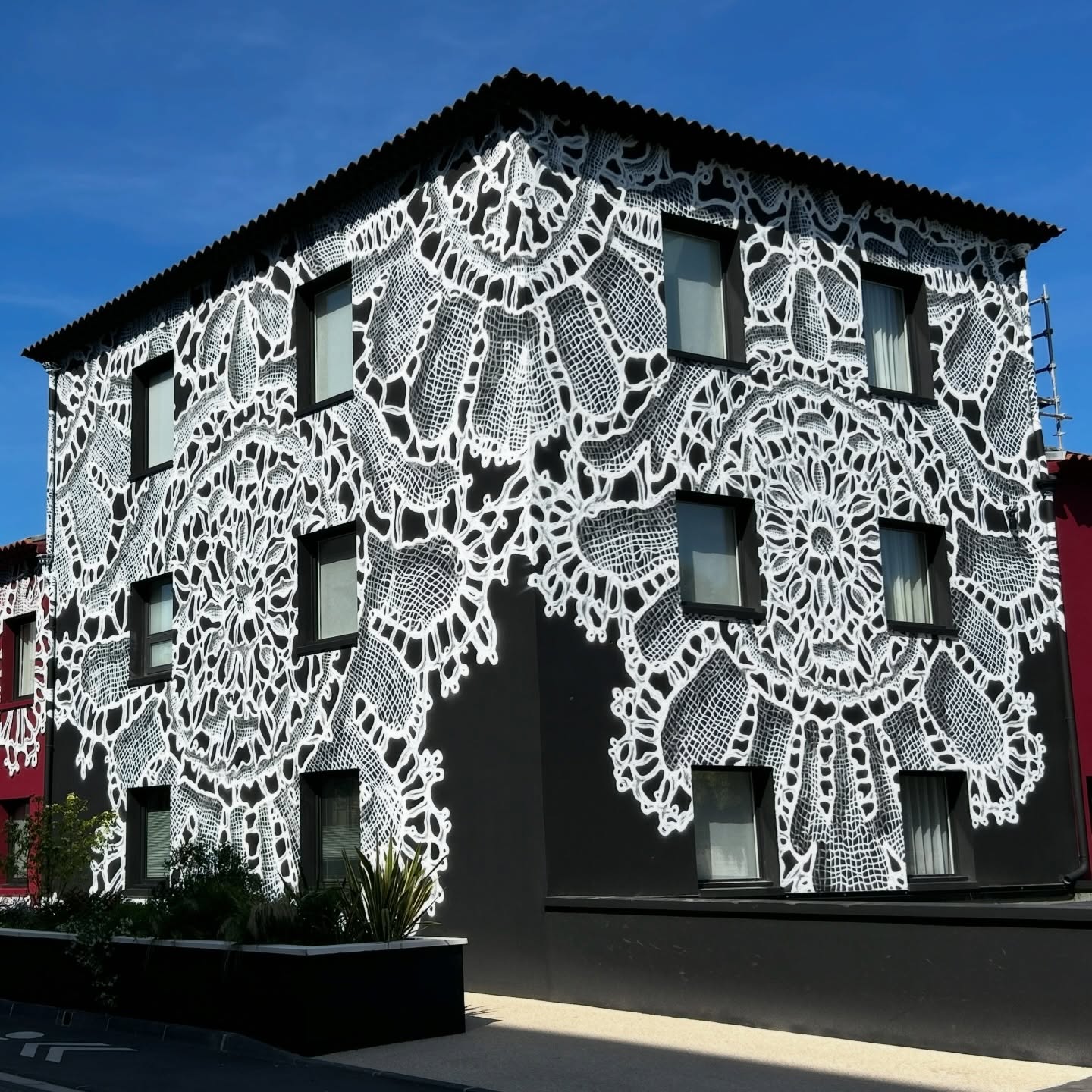
Most recently, NeSpoon Transforms Maison Pic in Valence with Her Largest Lace Mural to Date documents the extraordinary 2026 project in which historic French lace was enlarged across ten façades and approximately 1,000 square metres of architecture.
More Artists in the Spotlight
For another artist transforming architecture through organic pattern and monumental scale, explore Sophie Mess, whose botanical murals allow flowers to spread across urban façades. Discover PichiAvo for a different dialogue between contemporary street art and historic cultural traditions.
Discover NeSpoon at GraffitiStreet
GraffitiStreet presents NeSpoon across original studio works and exhibitions, including her Illegals series shown in Urban Equinox. These unique paintings bring the textures and hand-cut lace stencils of her unsanctioned street practice into the gallery, preserving a direct connection between wall and canvas.
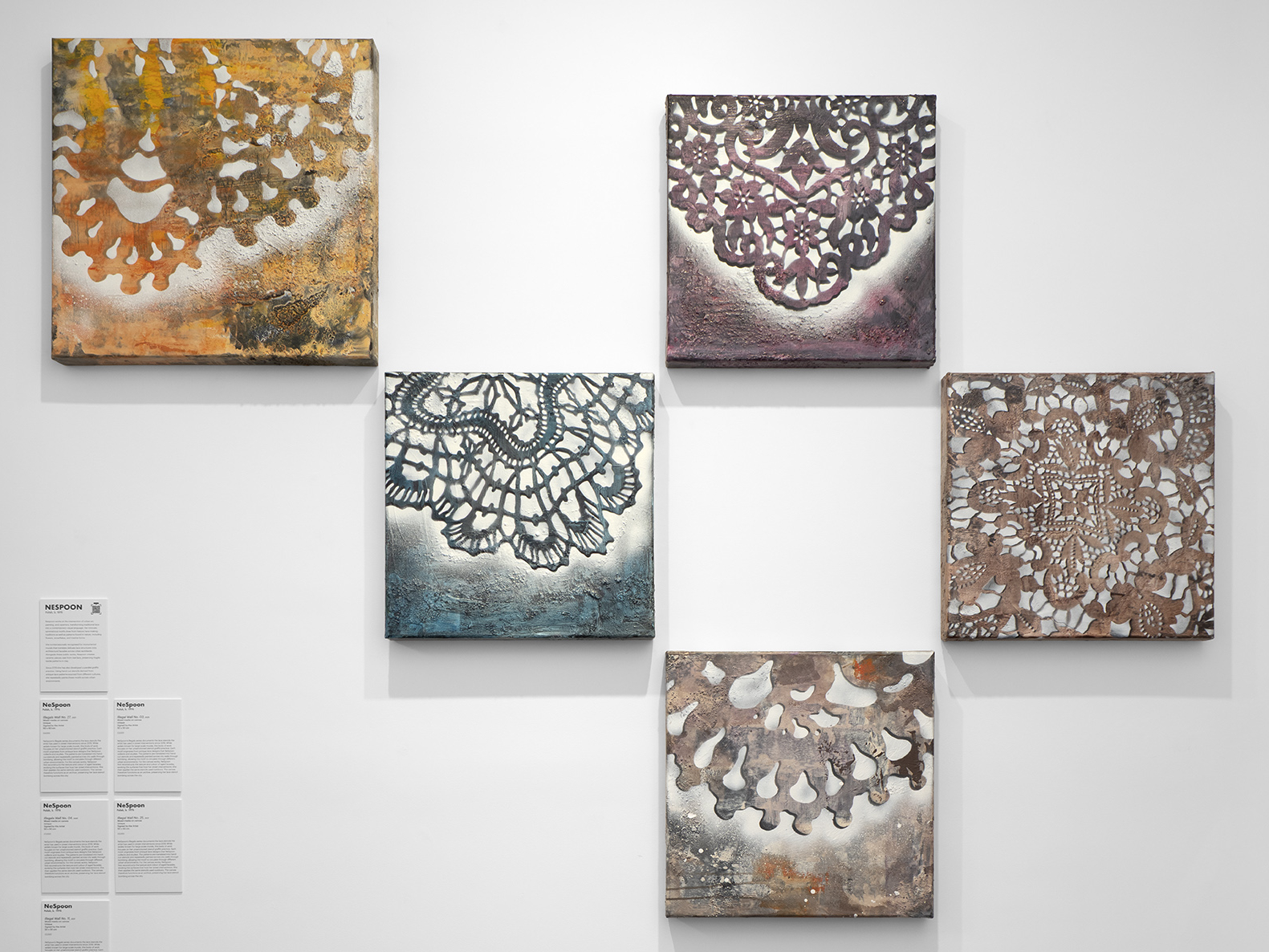
Urban Equinox Installation Shot – NeSpoon. Available via GraffitiStreet
Explore NeSpoon at GraffitiStreet to discover currently available original works, or contact GraffitiStreet for acquisitions, mural enquiries and private viewings.
Visit GraffitiStreet Gallery, 25A West Street, Chichester, West Sussex, England PO19 1QW.