Artist’s Resale Right: What Urban Art Collectors Should Know
Artist’s Resale Right (ARR) gives eligible artists, and later their beneficiaries, a royalty when qualifying artworks are resold through the professional art market. For collectors buying and selling contemporary and urban art in the UK, it is an important part of understanding how the secondary market works.
Introduced in the UK in 2006, ARR recognises something fundamental to the art market: an artwork may change ownership many times, but its authorship never changes. Where the statutory conditions are met, the artist continues to participate financially when that work returns to the market.
“Artist’s Resale Right is not just a legal requirement; it’s a principle we stand by. At GraffitiStreet, we believe our artists deserve to share in the ongoing value of their work. It’s part of what makes the art world more sustainable and respectful for all parties involved.” Donna Haden, Co-Founder / Creative Director, GraffitiStreet Gallery
At GraffitiStreet, ARR forms part of transparent collecting. Where it applies, the royalty is already incorporated into our advertised price rather than appearing later as an unexpected additional charge.
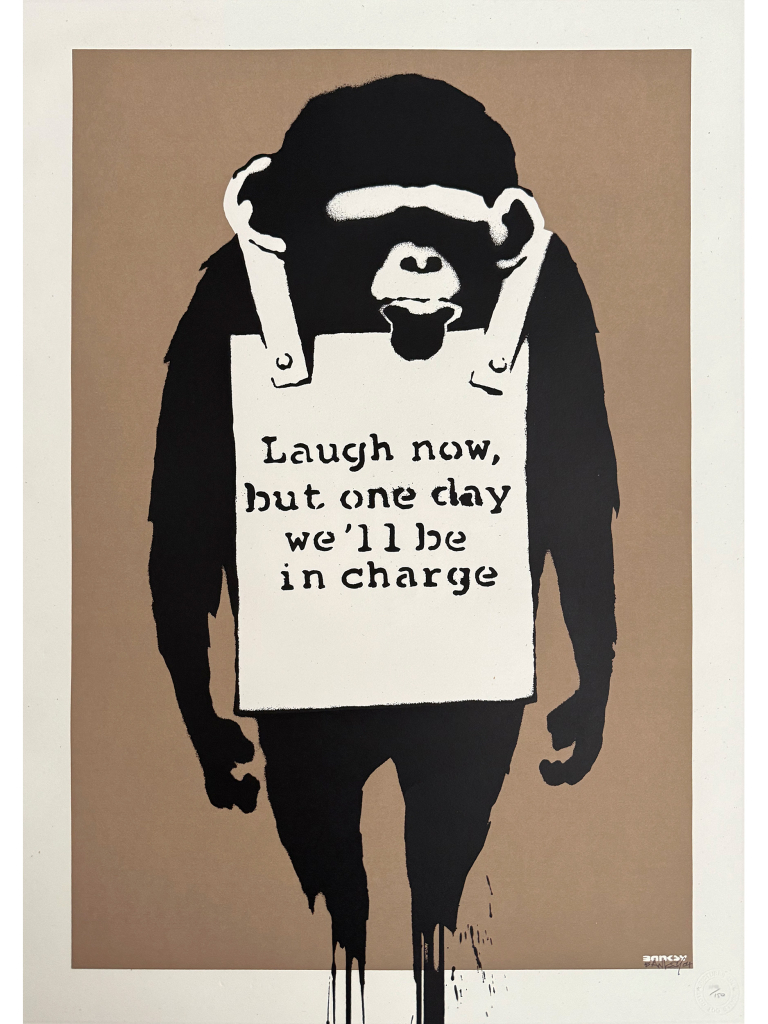
Banksy – Laugh Now (Signed). Available via GraffitiStreet
What Is Artist’s Resale Right?
ARR applies when an eligible original artwork is resold for £1,000 or more with the involvement of an art-market professional such as a gallery, dealer or auction house.
The right covers copyright-protected works of graphic and plastic art, including paintings, drawings, sculpture, photography, engravings, lithographs and qualifying original prints. It lasts throughout the artist’s lifetime and for 70 years after their death, during which eligible beneficiaries may continue to receive the royalty.
The distinction between the primary and secondary market is important. ARR does not arise simply because an artist sells their work for the first time; it becomes relevant when that work subsequently returns to the professional market.
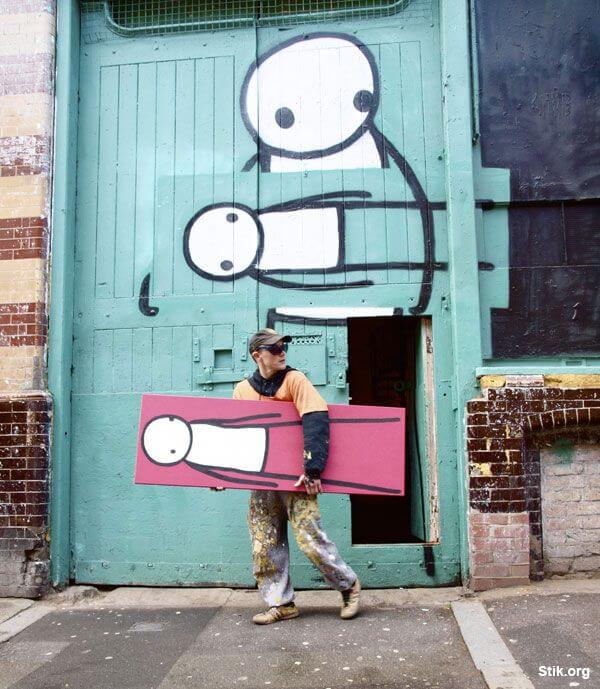
For urban art this has become increasingly significant. Artists whose work once circulated through street interventions, independent galleries and direct print releases now occupy established international secondary markets. Works by Banksy, STIK, Invader and other leading artists regularly move between private collections, galleries and auction houses. ARR forms part of that evolution.

Stik – Walk (Red Edition) Print. Available via GraffitiStreet here
How Much Is Artist’s Resale Right in the UK?
Since 1 April 2024, ARR has been calculated in pounds sterling. The minimum qualifying resale price is £1,000, while the maximum royalty payable on any single resale is capped at £12,500. The current rates are cumulative, this means that different portions of a higher-value sale are calculated at different rates, rather than one percentage being applied to the entire value.
| Portion of resale price | ARR rate |
|---|---|
| Up to £50,000 | 4% |
| £50,000.01 – £200,000 | 3% |
| £200,000.01 – £350,000 | 1% |
| £350,000.01 – £500,000 | 0.5% |
| Above £500,000 | 0.25% |
ARR itself is exempt from VAT, and VAT is not included in the sale price used for the calculation. For galleries and dealers, ARR is based on the qualifying sale price; at auction, it is calculated from the hammer price rather than the buyer’s premium.
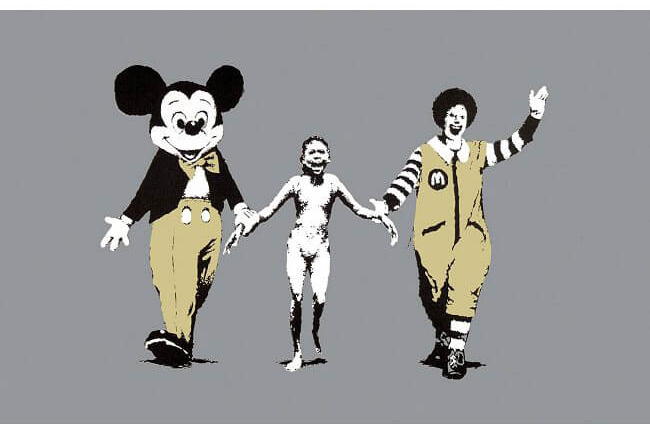
Banksy, Napalm, screen print. Available via GraffitiStreet here.
Which Artworks Qualify for ARR?
ARR can apply to paintings, drawings, collages, sculpture, ceramics, photographs, engravings, lithographs and original prints. This is particularly relevant within urban art, where limited editions form an important part of the secondary market. A print does not qualify simply because it is signed and numbered. The legal definition is broader: limited copies can qualify where they form part of a restricted number produced by the artist or under the artist’s authority.
Original screenprints and other qualifying editions by artists such as Banksy, STIK, Invader and D*Face can therefore fall within ARR when they return to the professional secondary market. Mass-produced posters and unlimited reproductions do not ordinarily qualify.
Which Countries Qualify for ARR in the UK?
Artist’s Resale Right protects eligible UK artists and extends to artists whose nationalities are covered through reciprocal arrangements. The UK currently has reciprocal ARR arrangements with the European Economic Area, covering EU Member States together with Norway, Iceland and Liechtenstein.
Further reciprocal arrangements came into force with Australia on 31 March 2024 and New Zealand on 1 December 2024.
These arrangements operate in both directions: qualifying artists from those territories can benefit from eligible UK resales, while eligible British artists can receive resale royalties when qualifying works are resold within those markets.
As international arrangements can change, collectors and sellers should consult the current UK Government Artist’s Resale Right guidance where nationality affects a particular transaction.
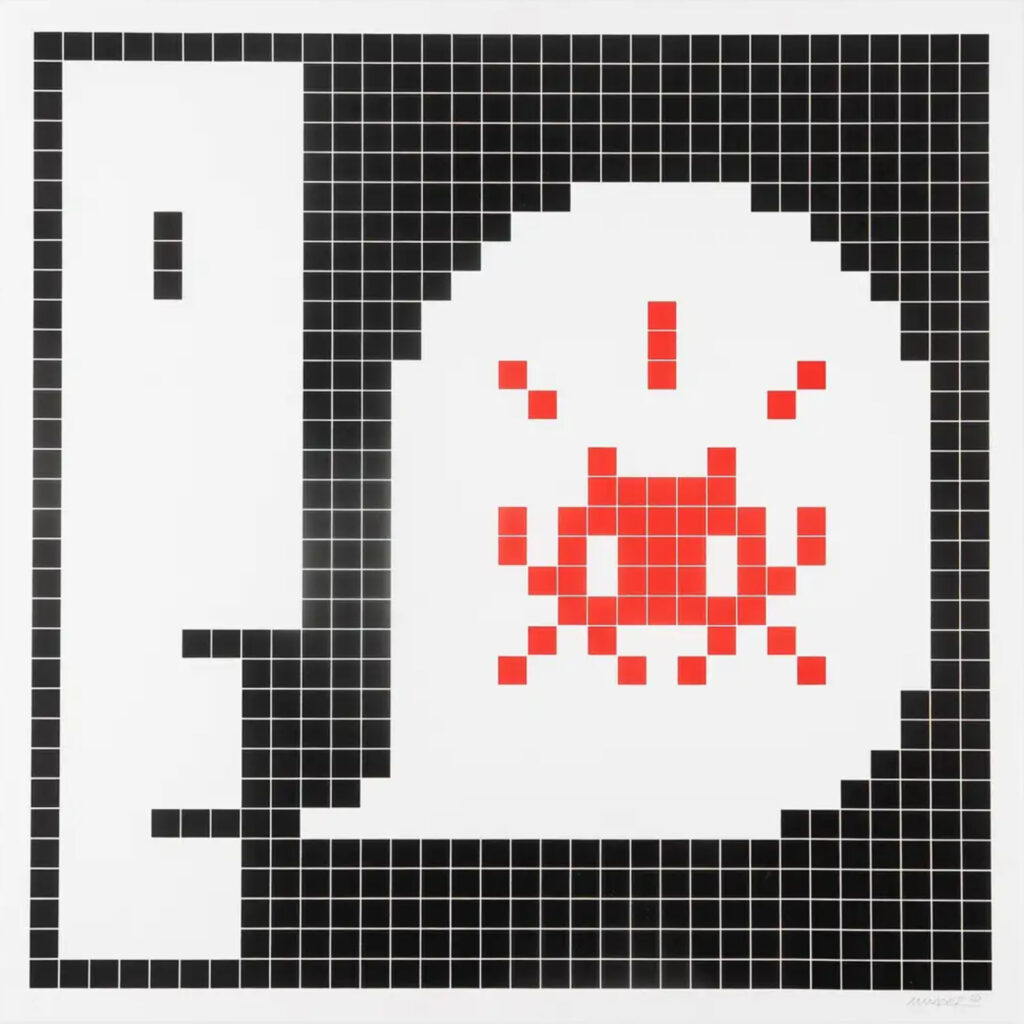
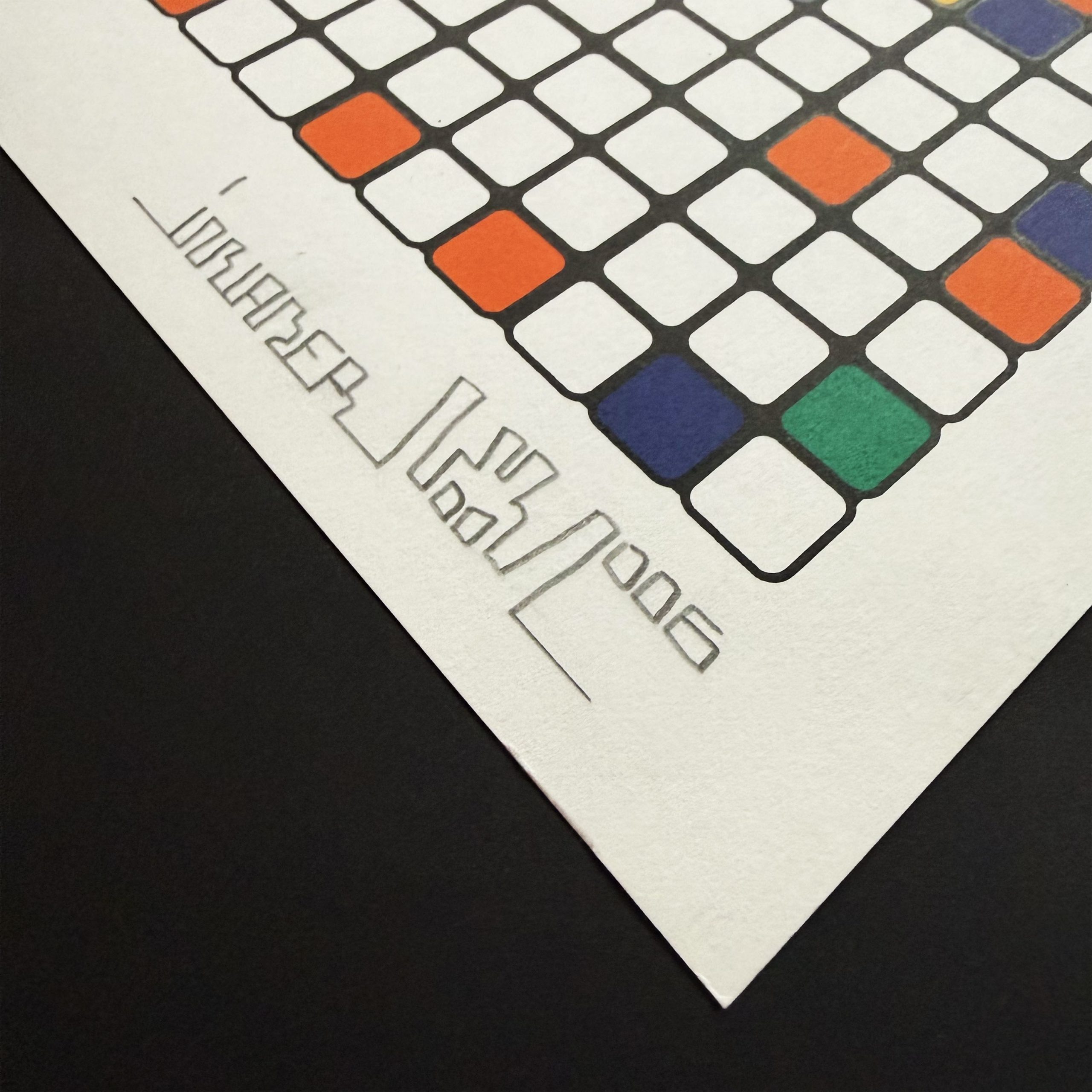
Purchase Invader – Alert (Red) Print . Available via GraffitiStreet here
The ‘Bought as Stock’ Exception
UK legislation contains a specific exception relevant to galleries and dealers working directly with artists. Where an artwork was acquired directly from the artist, is resold within three years, and the resale price is £10,000 or less, ARR does not apply provided all three conditions are satisfied.
The provision recognises the role galleries play within the primary market, particularly when supporting artists and acquiring work before a wider secondary market has developed.
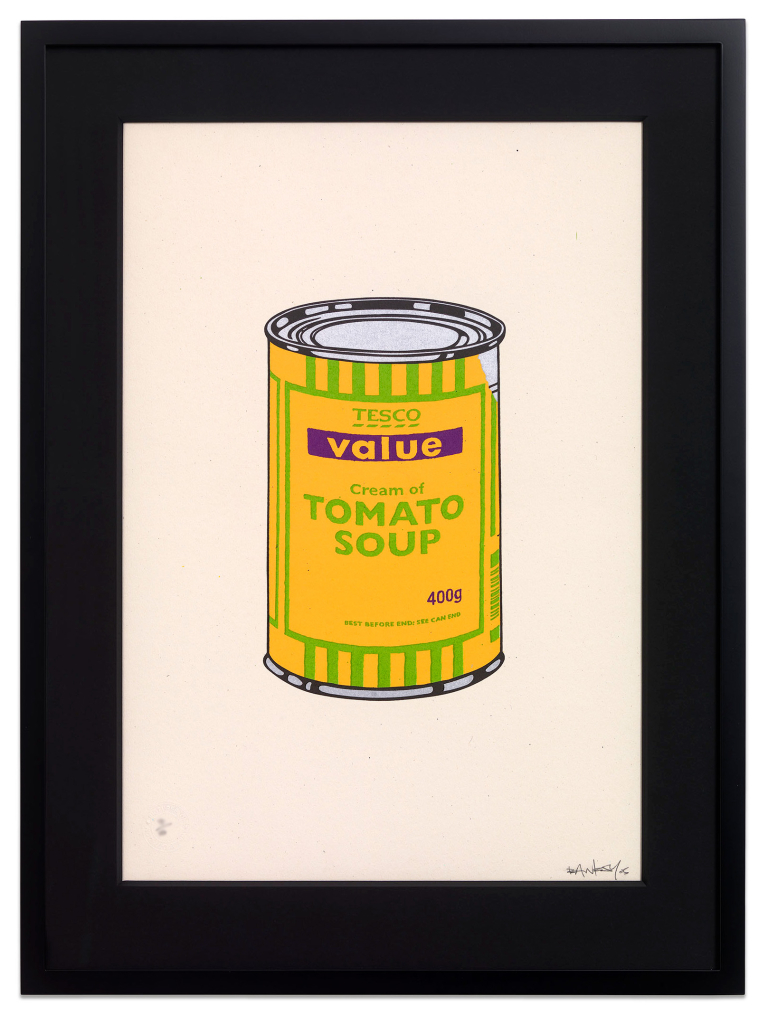
Purchase Banksy – Soup Can (Banana/Lime/Purple). Available via GraffitiStreet here
Application in Practice: Banksy, Morons (Sepia)
Consider the example of our client reselling Banksy’s Morons (Sepia), a well-known screen print edition, through GraffitiStreet Gallery at a price of £33,000. The artist, Banksy, is a living UK national, the work is a signed and numbered limited edition, and the transaction is conducted through us, a professional intermediary.
In this case, ARR applies, and the royalty due is calculated at the 4% of the sale price: Meaning ARR = £1,320 This amount is pre calculated and deducted from the final price and remitted to the artist via a collecting society, such as DACS, the Design and Artists Copyright Society, and ACS, the Artists’ Collecting Society.
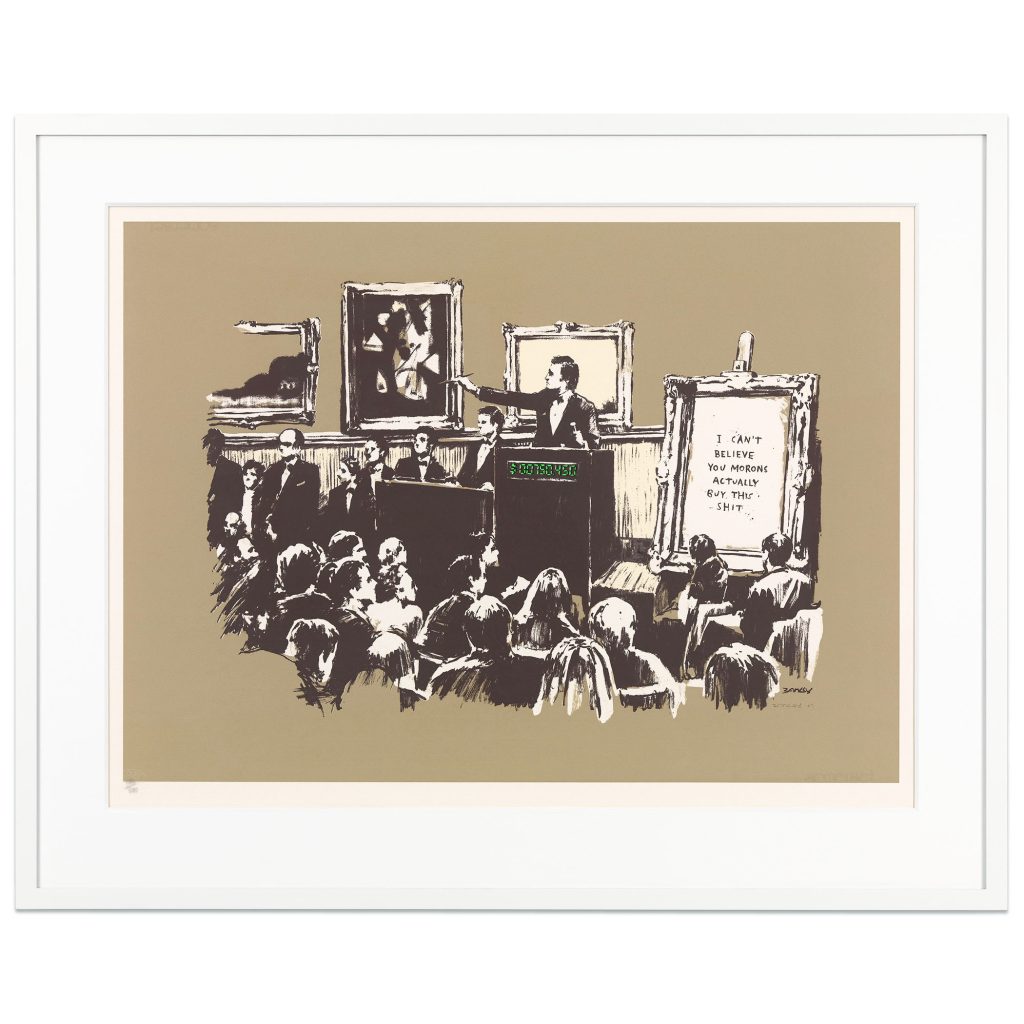
Purchase Banksy – Morons (Sepia). Available via GraffitiStreet here
Does ARR Apply If an Artwork Is Sold at a Loss?
Yes. ARR is based on the qualifying resale price rather than the collector’s profit. If a collector acquired an artwork for £14,000 and later resold it through the professional market for £12,000, ARR could still apply despite the collector making a financial loss.
At £12,000, the royalty would be £480, calculated at 4%. This distinction is important. ARR is concerned with an artist’s participation in subsequent market activity surrounding their work, rather than the investment performance of an individual collector.

Purchase D*Face – Going Nowhere Fast Print. Available via GraffitiStreet here
GraffitiStreet and Artist’s Resale Right
At GraffitiStreet, the principle is clarity. Where ARR applies, it is included within the advertised artwork price. Collectors therefore understand the cost of an acquisition before committing to it rather than discovering an additional statutory royalty at checkout.
The same care applies when we handle works for collectors on the secondary market. Authentication, provenance, condition, framing, market position and applicable resale rights all contribute to how an artwork should be assessed and offered.
ARR is only one part of that process, but it represents an important principle. An artwork may move from artist to collector and from one generation of collectors to another, while the creative authorship behind it remains constant.
For urban artists whose careers have moved from public space into galleries, museums and the international secondary market, that relationship is particularly visible. Understanding Artist’s Resale Right is therefore not simply about understanding a fee. It is part of understanding how a responsible secondary art market works.
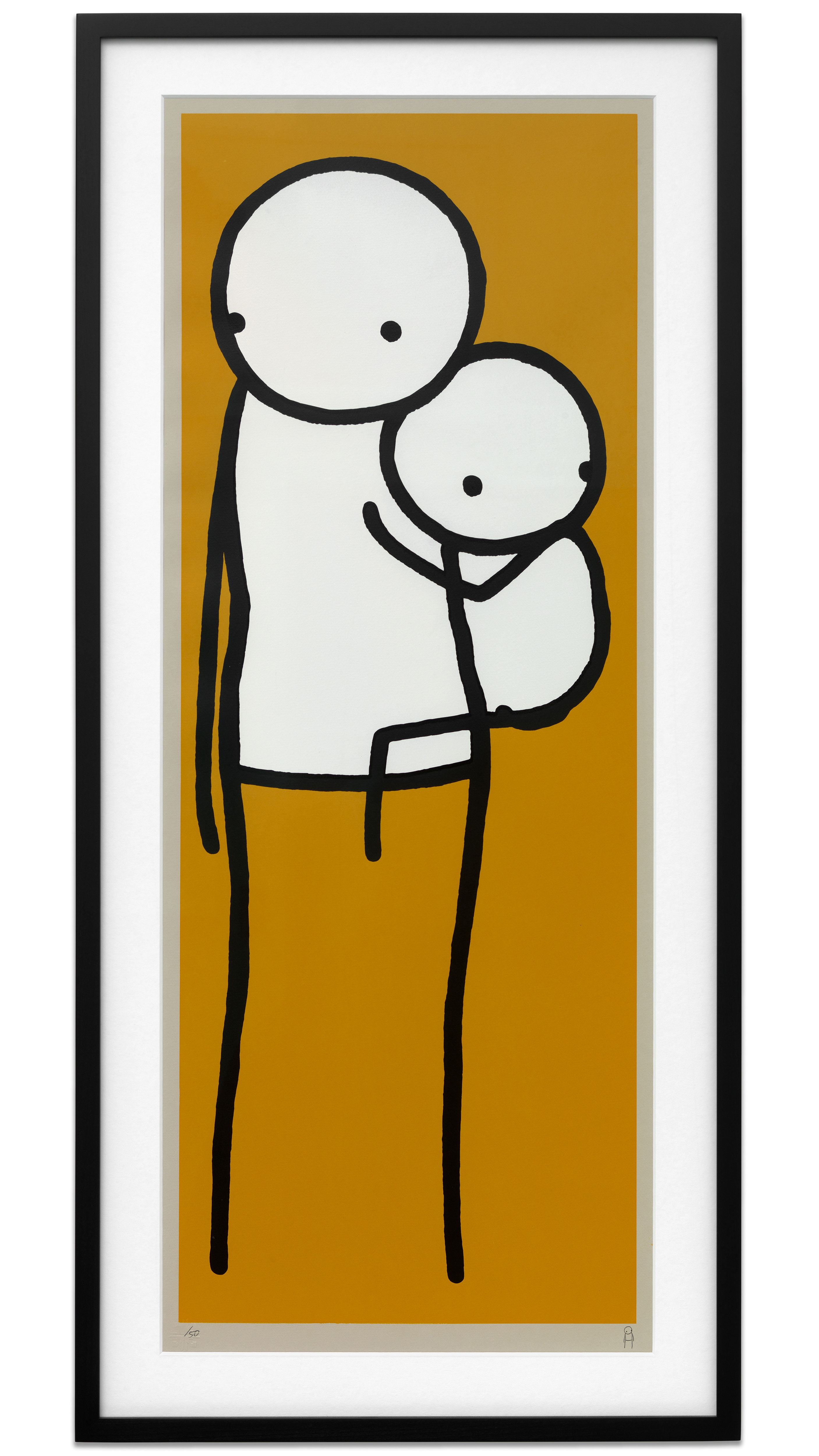
Stik – Single Mum (Yellow) Print (Framed). Available via GraffitiStreet here.
For current legislation and guidance, collectors can consult the UK Government Artist’s Resale Right guidance and DACS.
For advice regarding an acquisition or secondary-market consignment, please contact GraffitiStreet or visit GraffitiStreet Gallery, 25A West Street, Chichester, West Sussex.
Updated 31 August 2026. This article provides general information about Artist’s Resale Right in the UK and does not constitute legal advice.