Shoreditch Street Art: Over 100 Photos from East London, 2013–2014
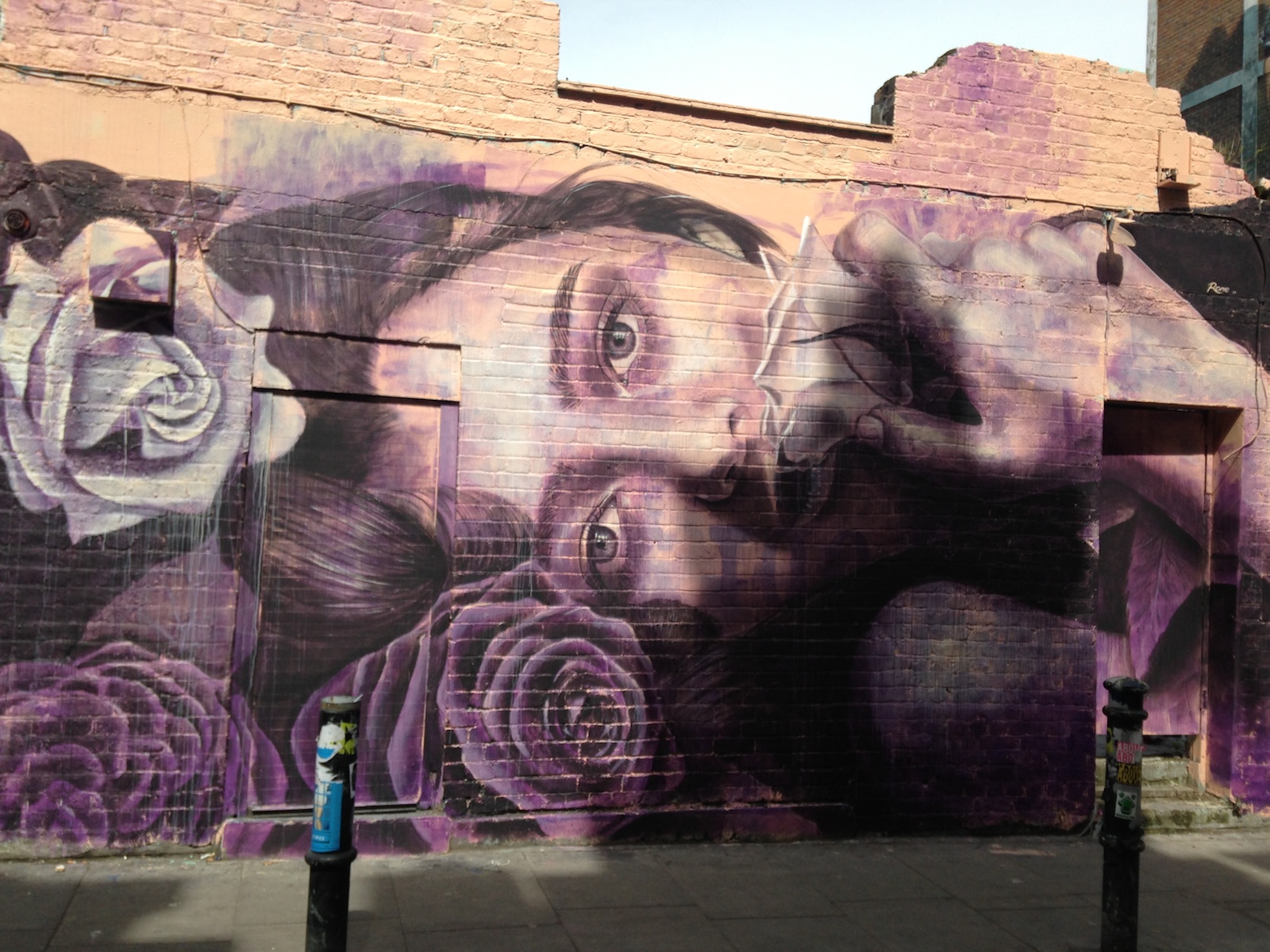
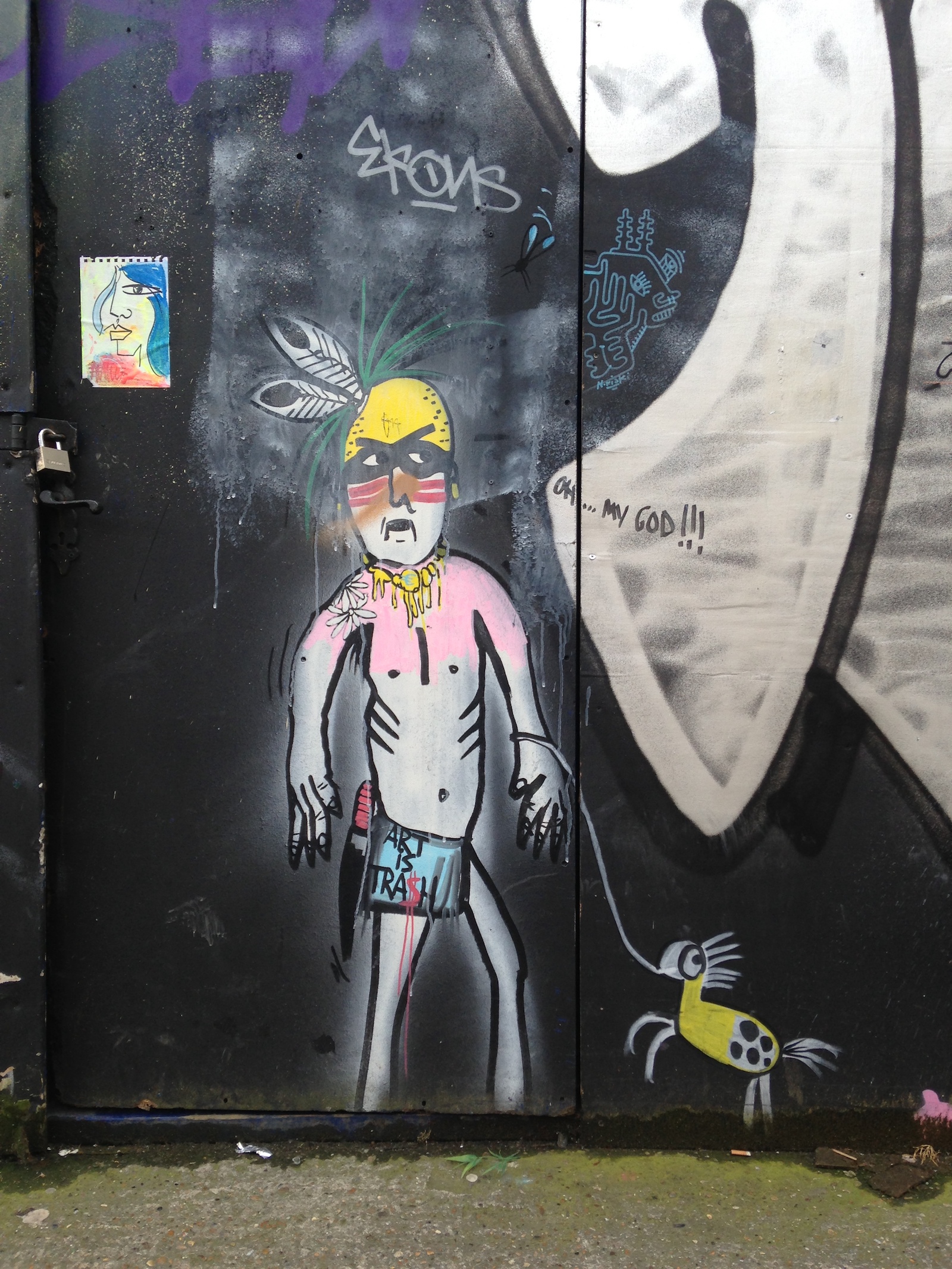
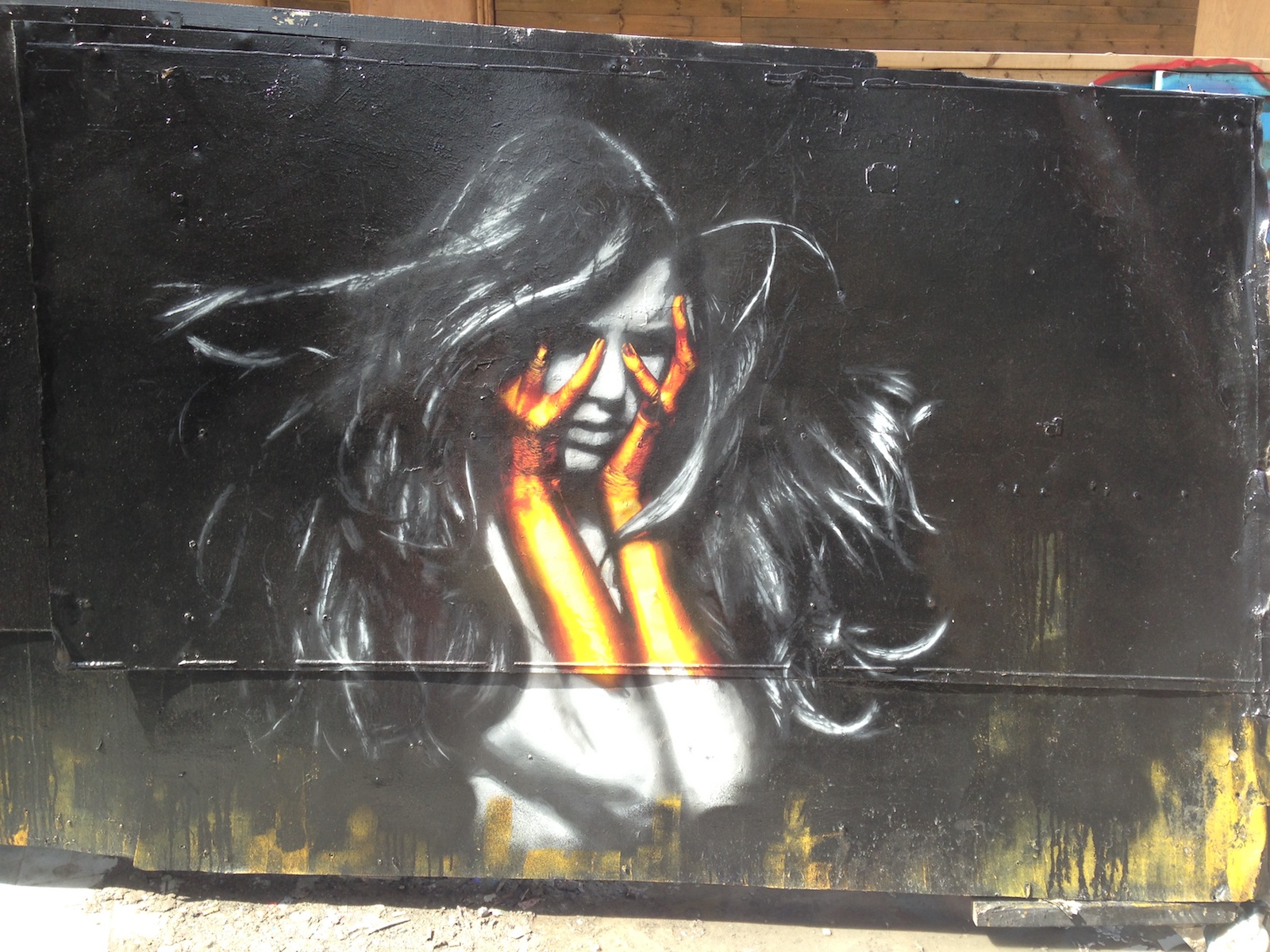
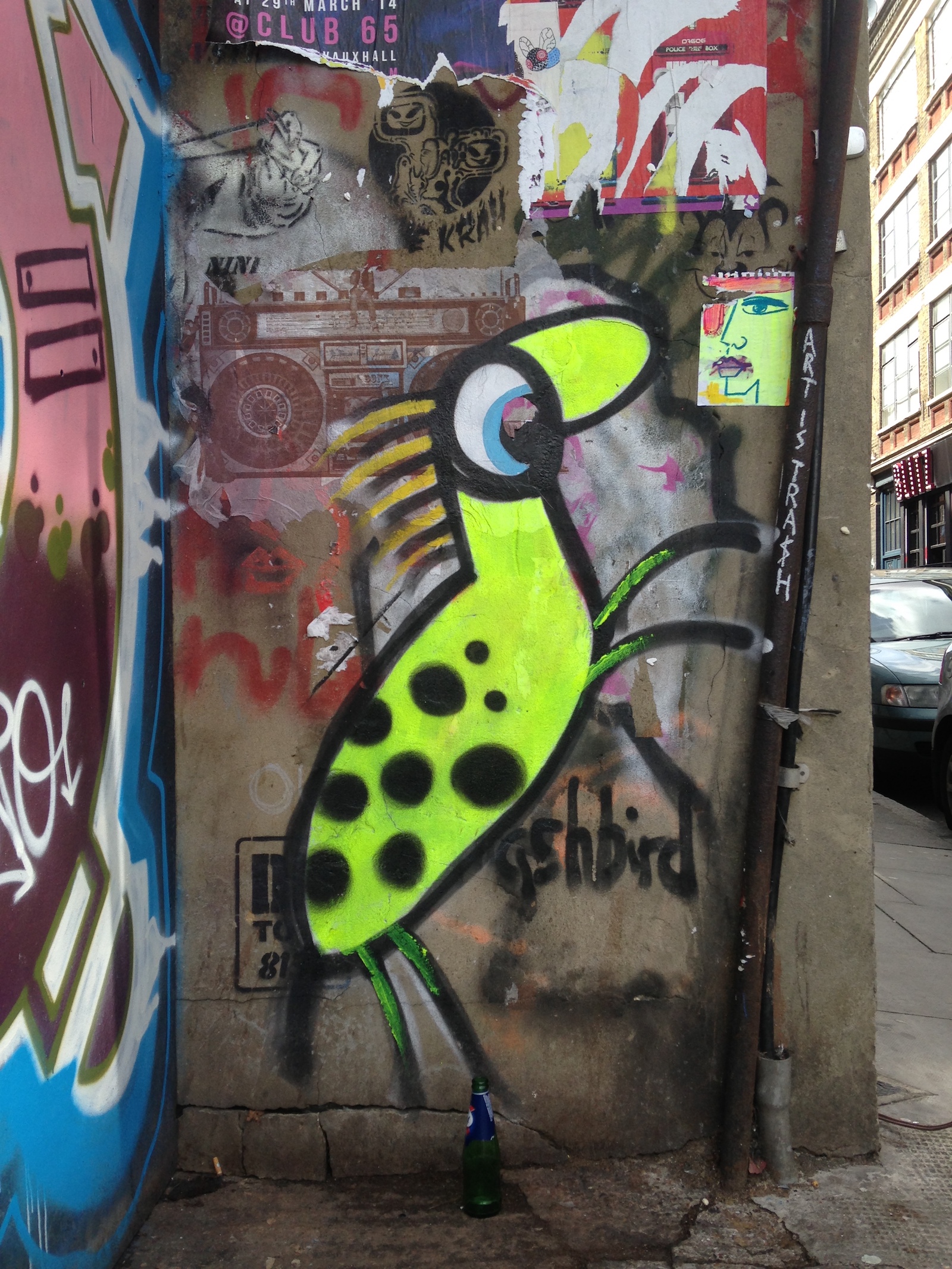
Shoreditch is widely regarded as one of London’s most concentrated street art districts, home to work from internationally recognised artists alongside emerging names, all displayed freely in public space. This photo journal documents over 100 images captured across Shoreditch and the surrounding East London streets between 2013 and 2014.
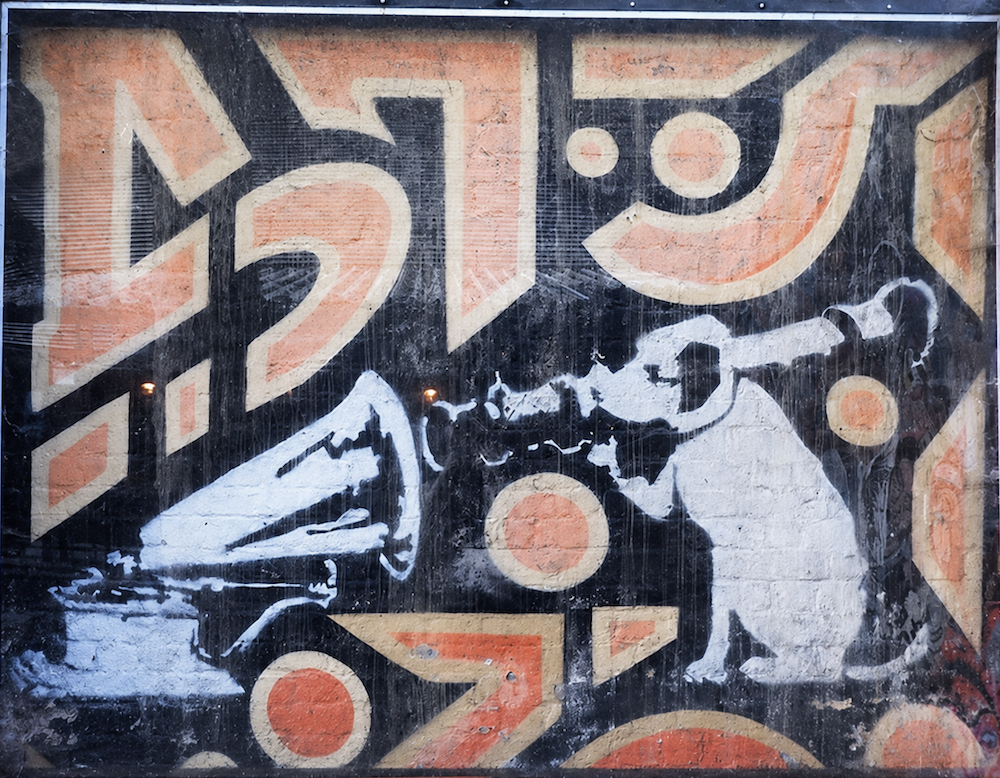
Banksy, Street Art Shoreditch, London 2013/2014. Image © Graffitistreet.com
Why Is Shoreditch Known for Street Art?
Shoreditch became a street art hub through a combination of cheap warehouse space, an established graffiti culture dating back to the 1990s, and a local community that largely chose to preserve rather than remove work. Artists have travelled from around the world specifically to paint here, and pieces are regularly refreshed, meaning the area’s visual identity is always in flux. The result is a dense, walkable district where murals sit alongside stencils and paste-ups, produced by everyone from internationally established names to artists early in their careers, all visible for free in public space.
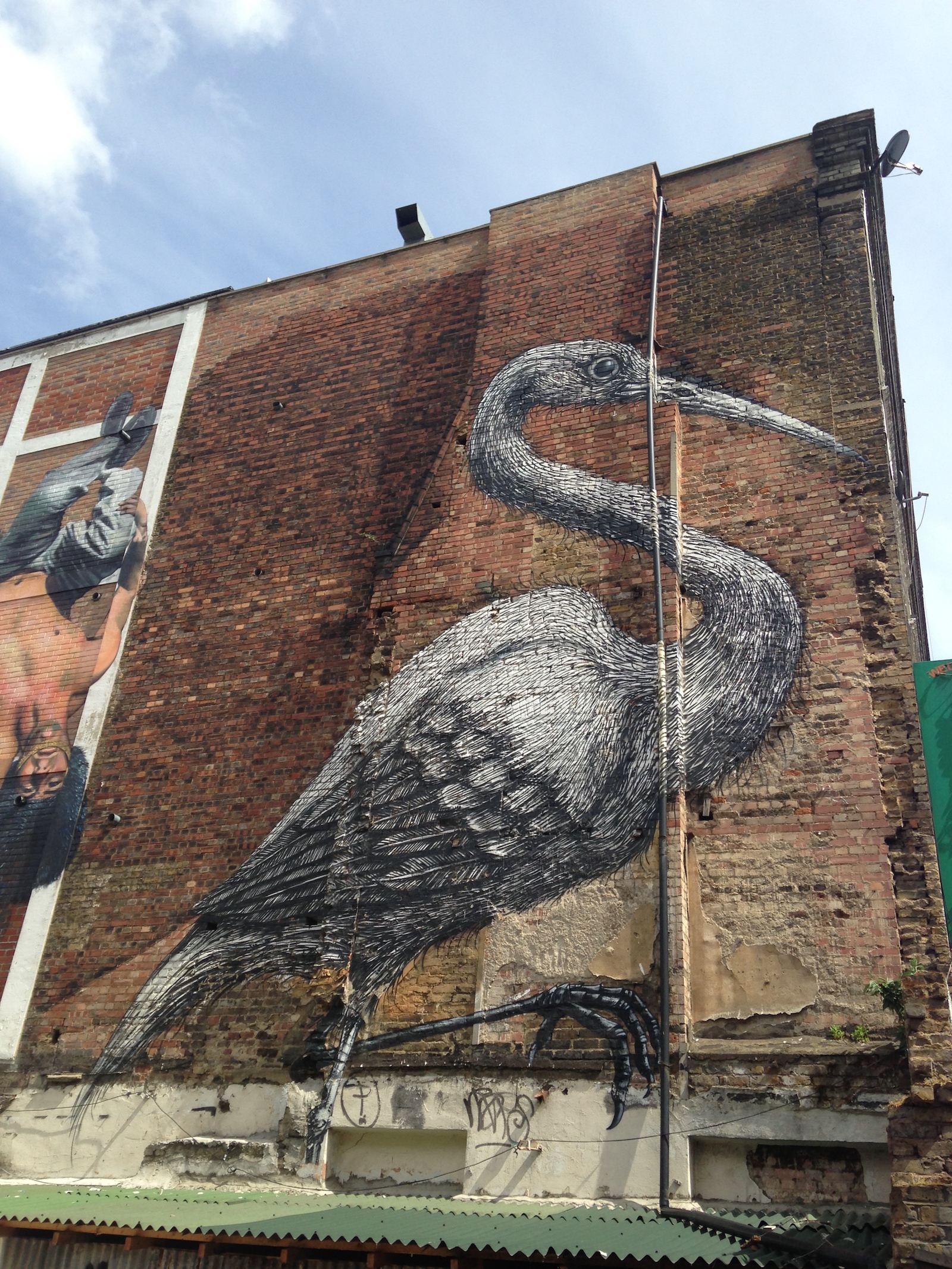
Roa, Street Art Shoreditch, London 2013/2014. Image © Graffitistreet.com
What Kind of Street Art Will You Find in Shoreditch?
Visitors typically encounter large-scale murals across building facades and warehouse walls, alongside smaller stencil work placed at eye level in doorways and on shutters. Paste-ups and wheatpaste pieces are especially common, changing frequently and often responding to current events or specific artist campaigns. Sculptural and installation-based street art appears too, though less often, tucked into pockets of the district away from the main routes.
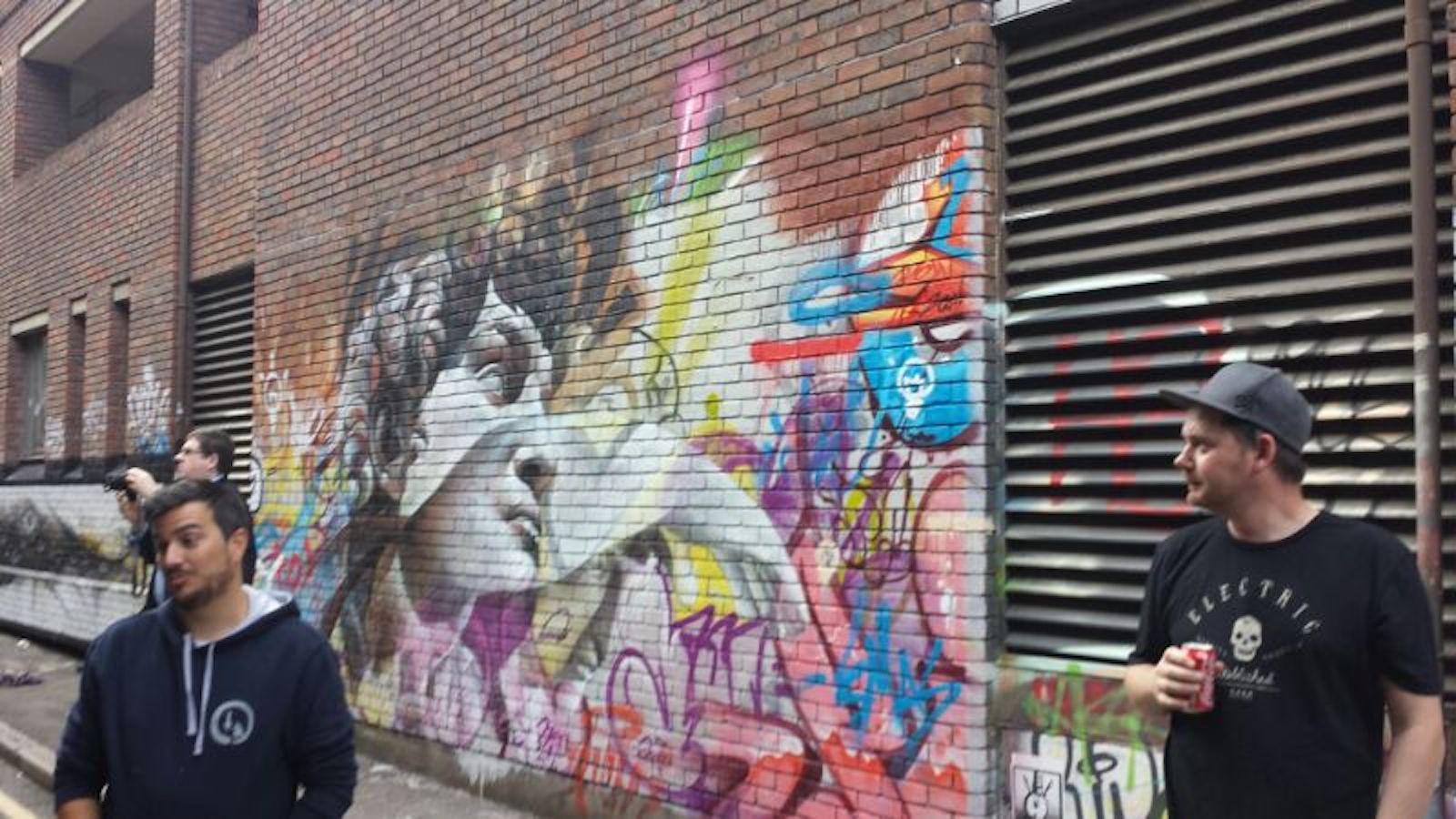
GraffitiStreet takeover. Street Art Shoreditch, London 2013/2014. Image © Graffitistreet.com
Best Way to Explore Shoreditch Street Art
The best approach is on foot and unhurried. The most notable pieces are often found on side streets rather than main roads, so a thorough walk can easily cover several miles and is worth doing in comfortable shoes. A camera or phone with a wide-angle lens is useful for capturing larger murals. Because the scene changes so quickly, no two visits look the same, and much of the best work is easy to miss unless you slow down and look properly.
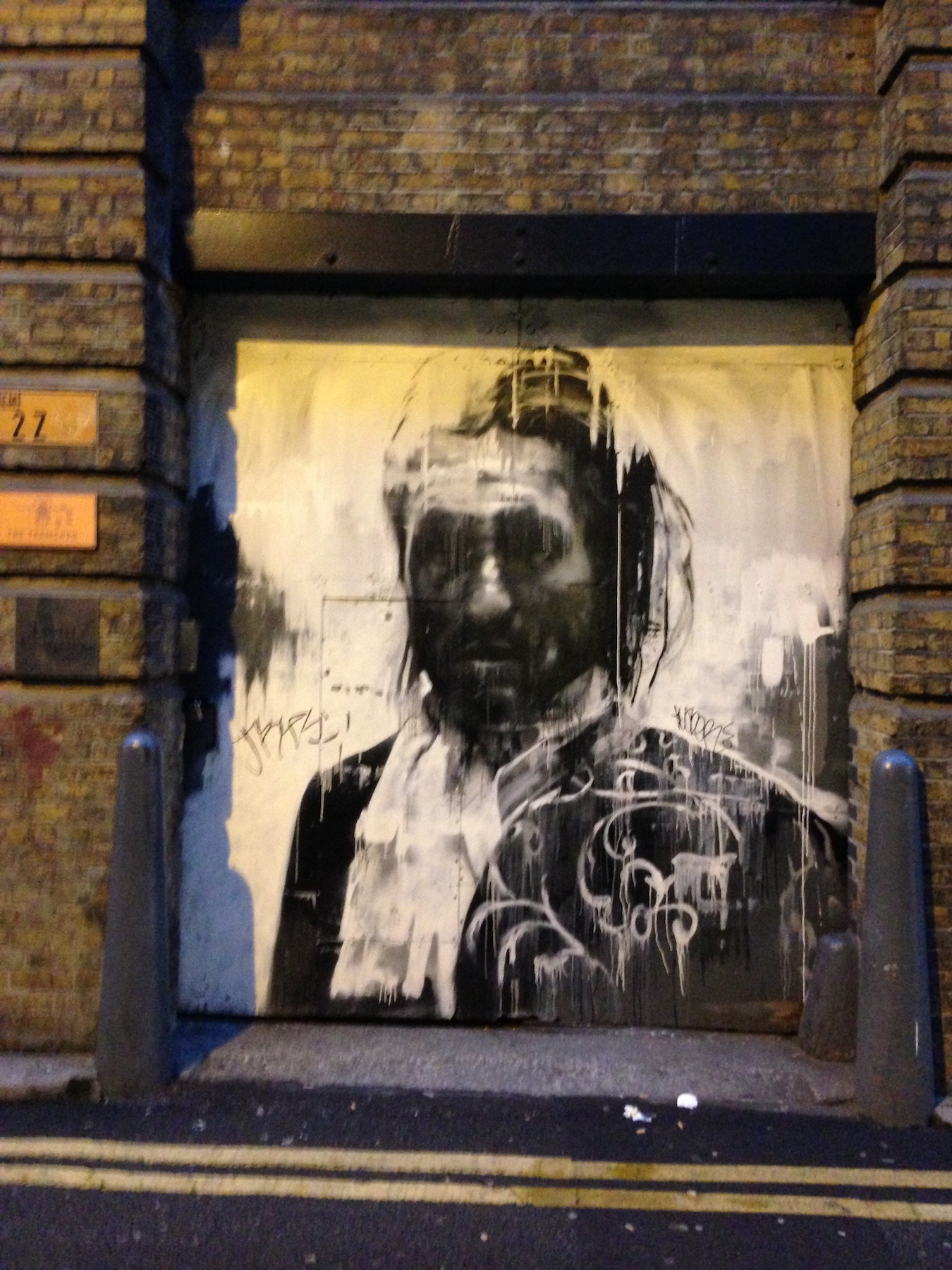
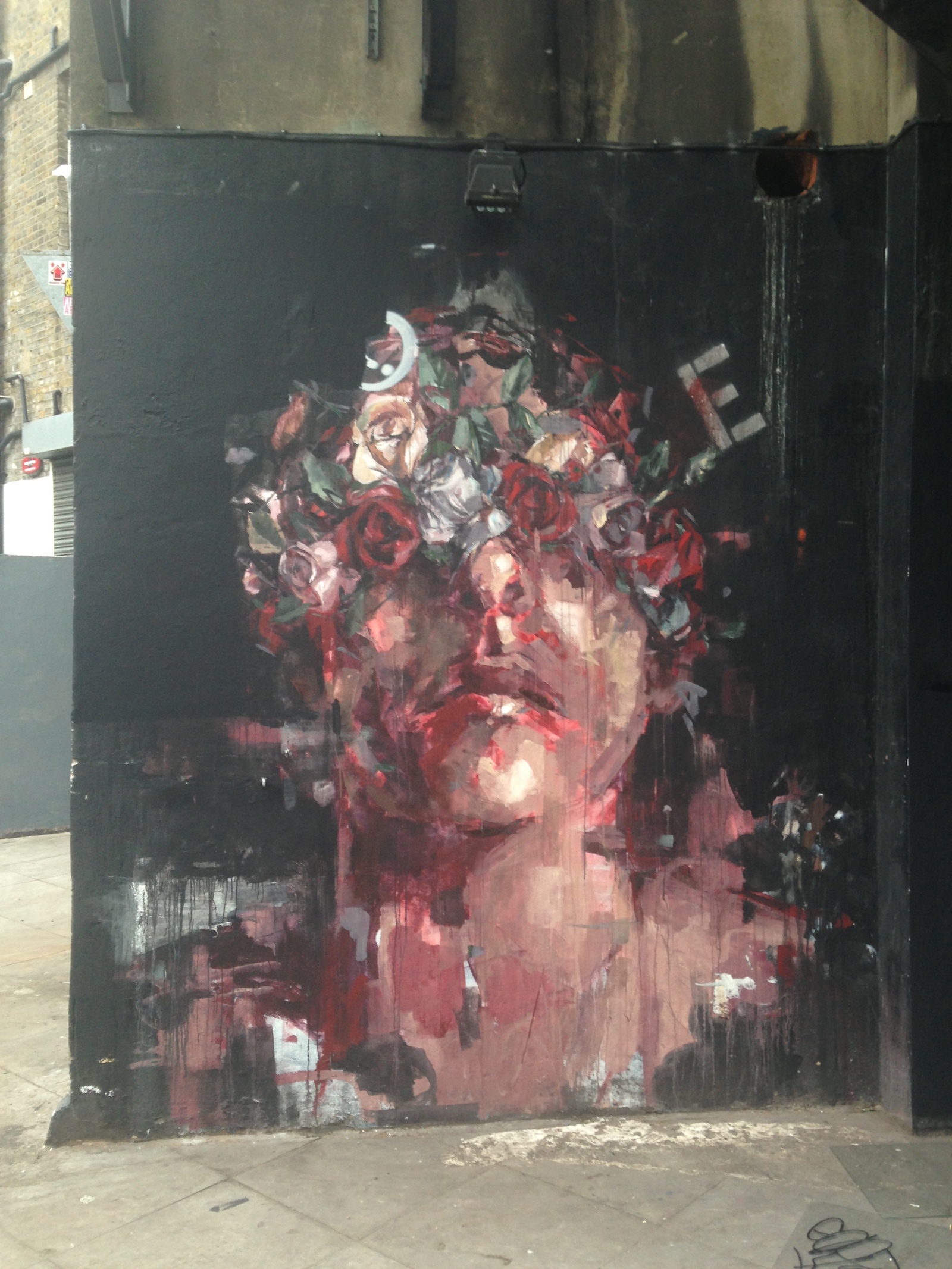
Conor Harrington, Street Art Shoreditch, London 2013/2014. Image © Graffitistreet.com
The Photo Collection
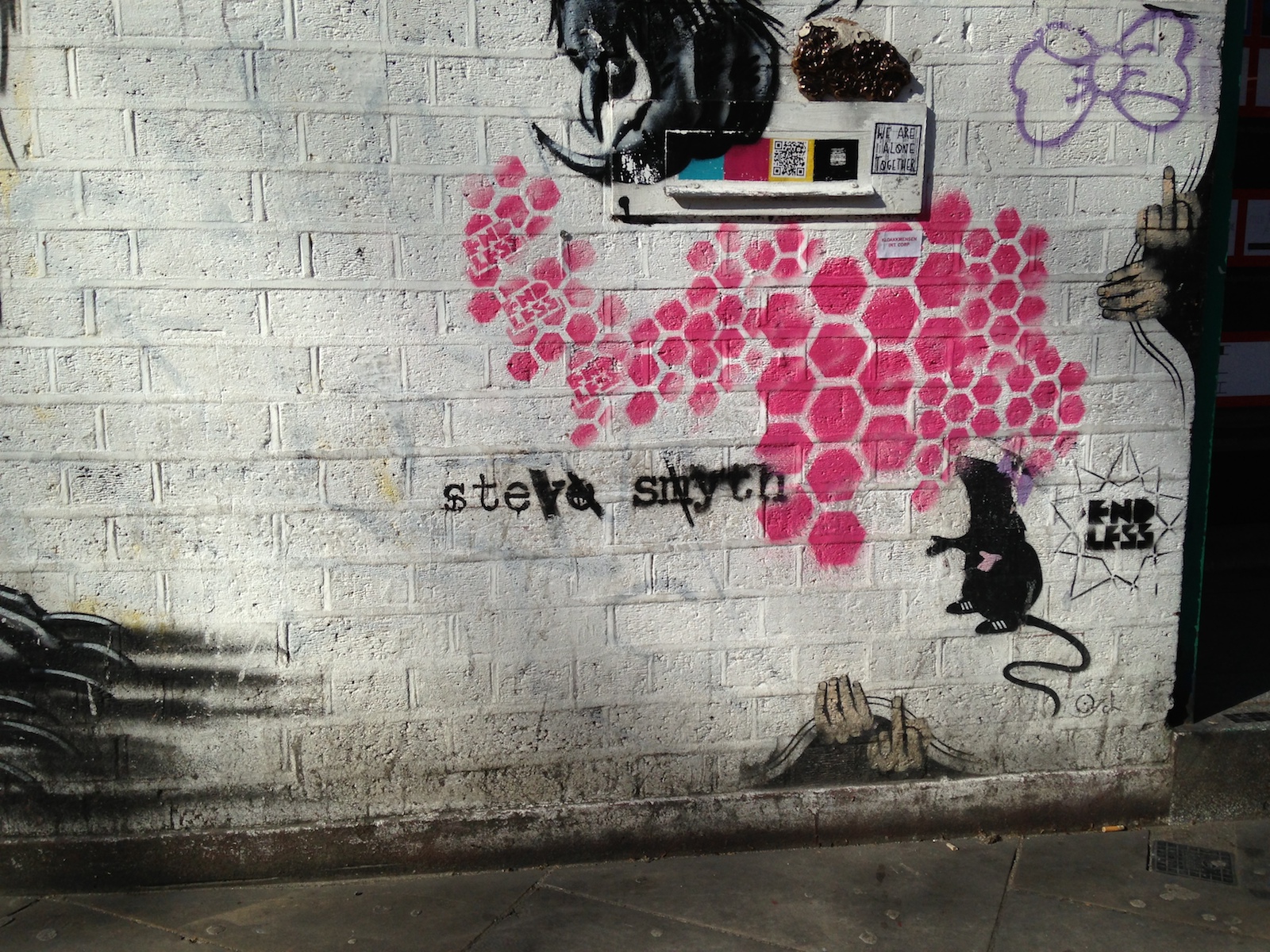
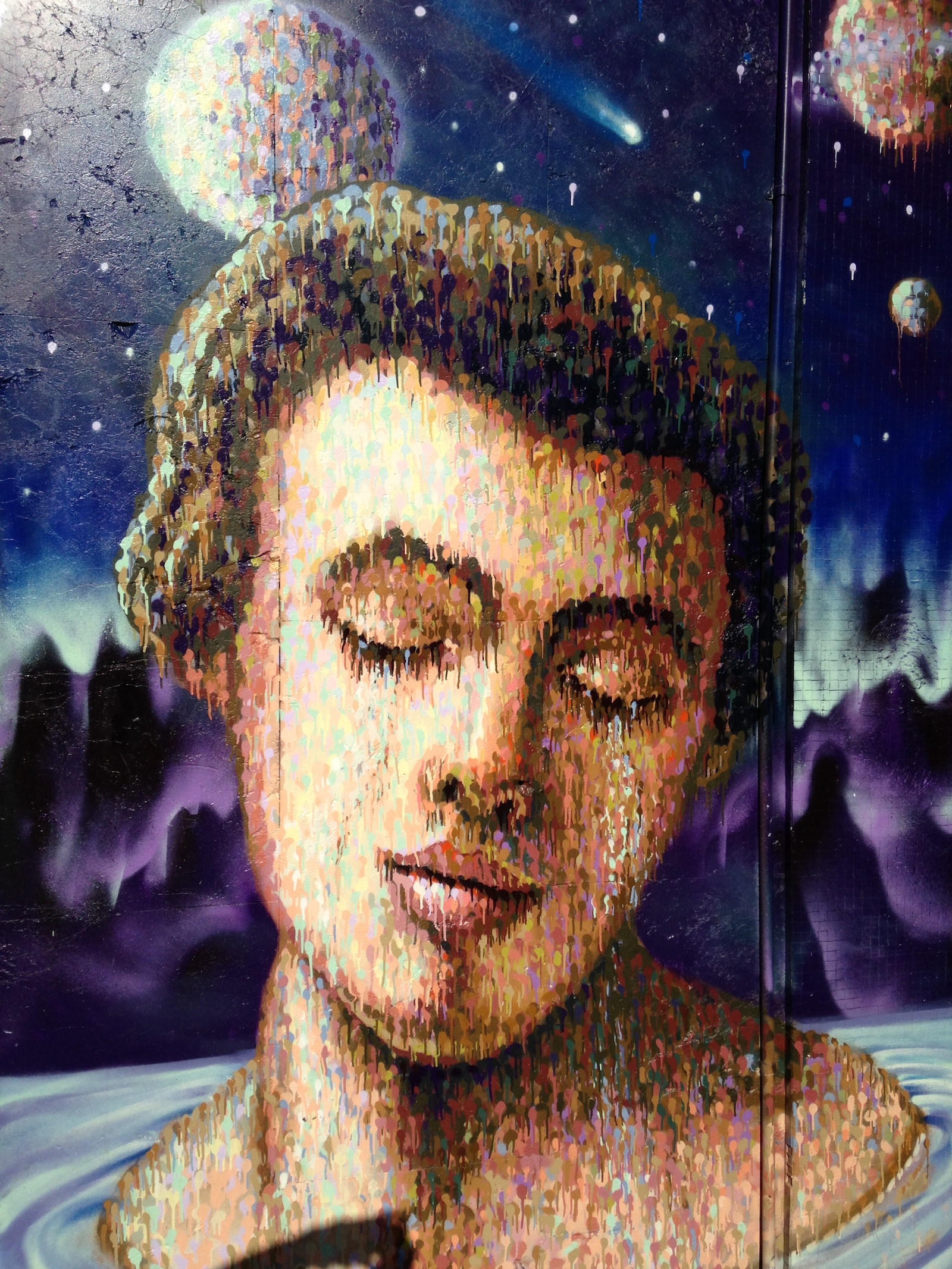
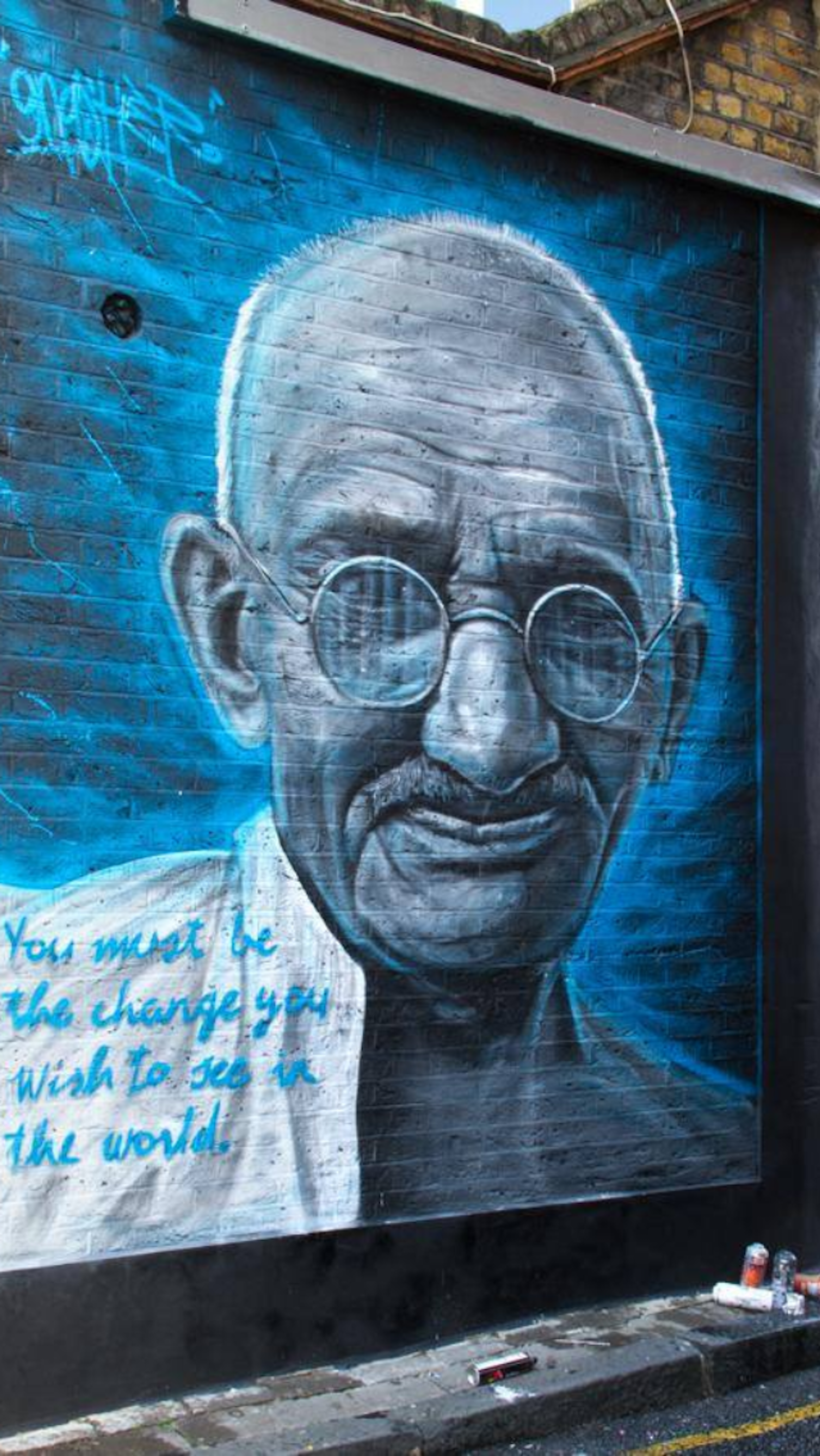
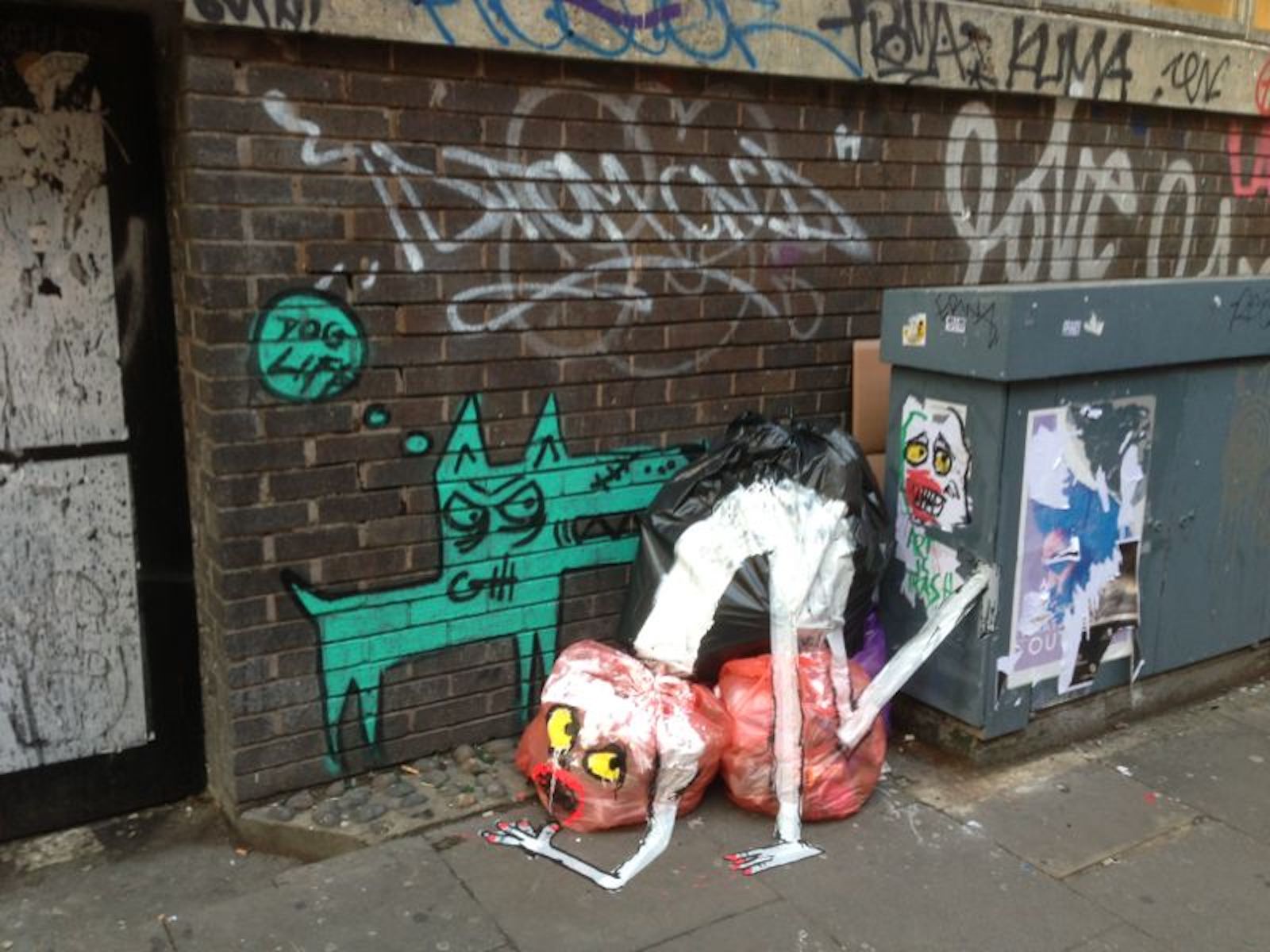
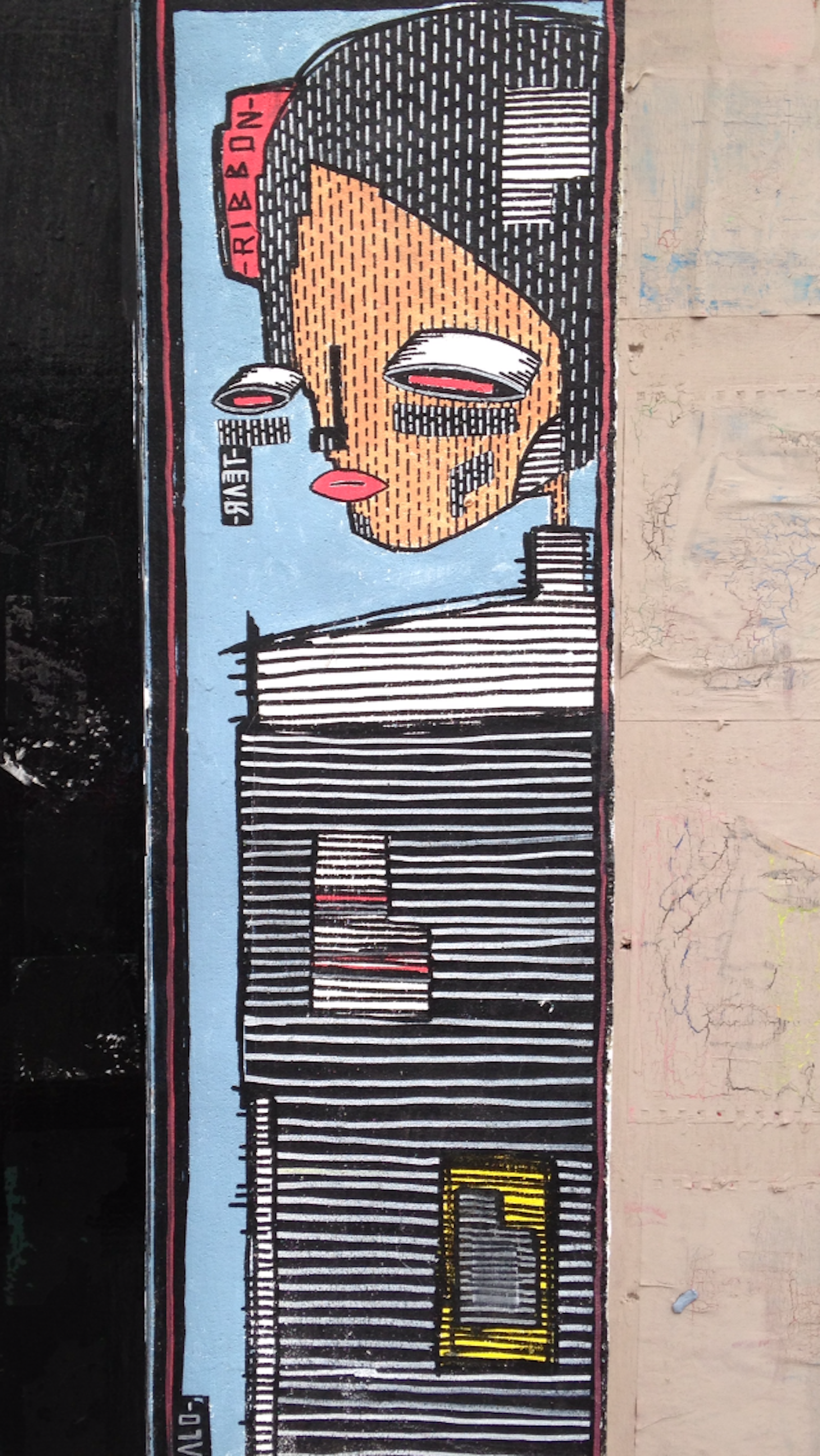
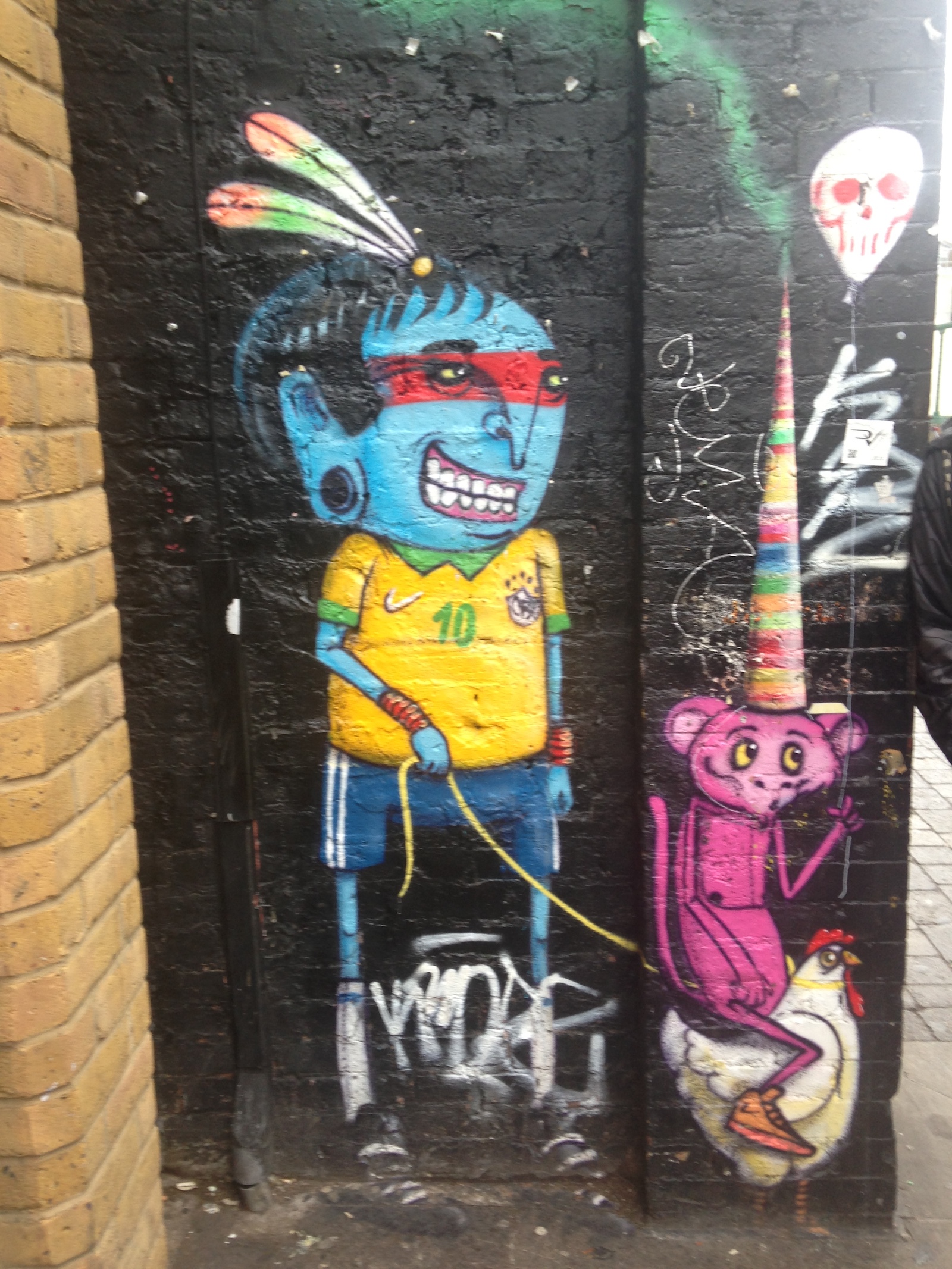
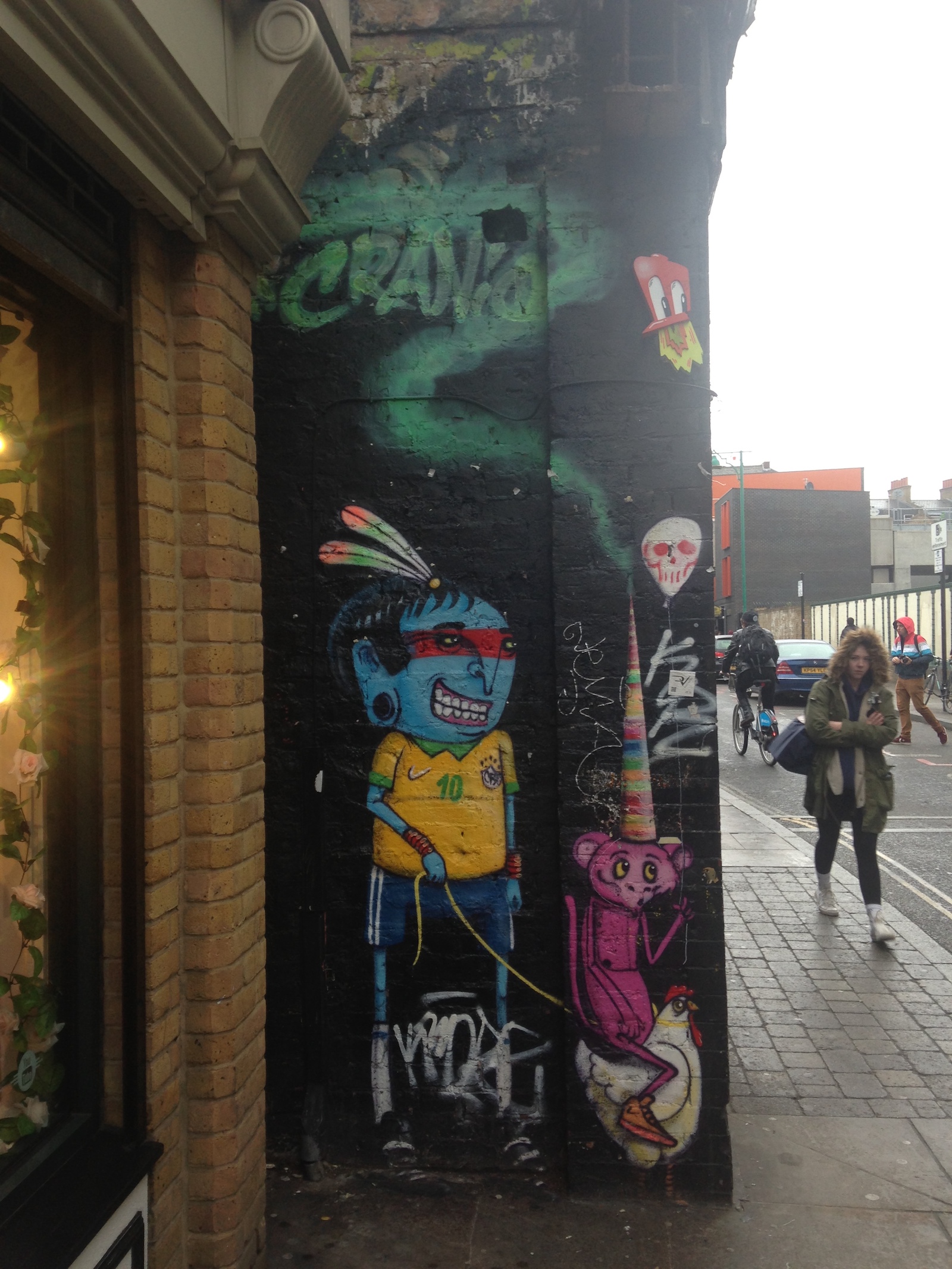
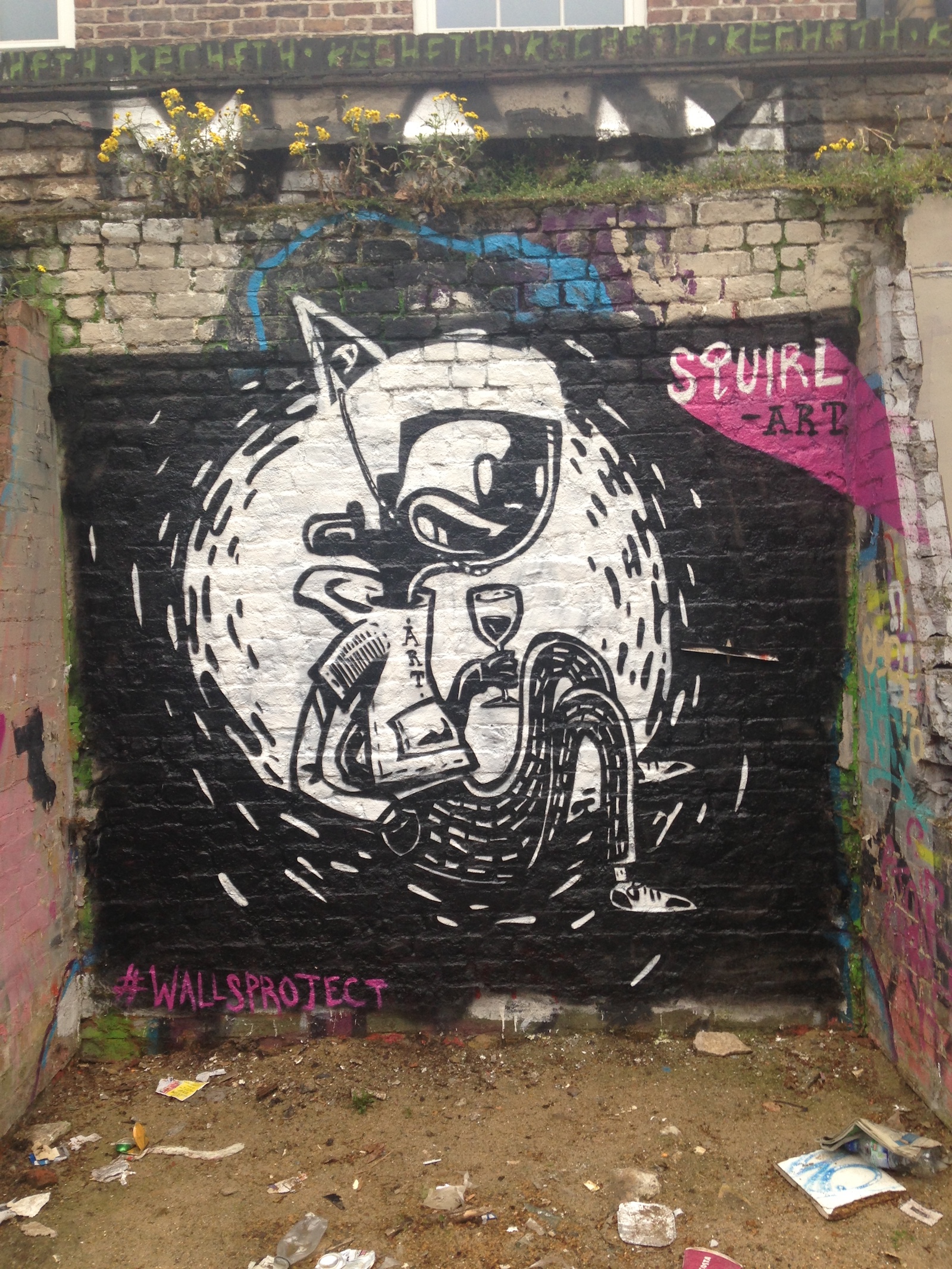
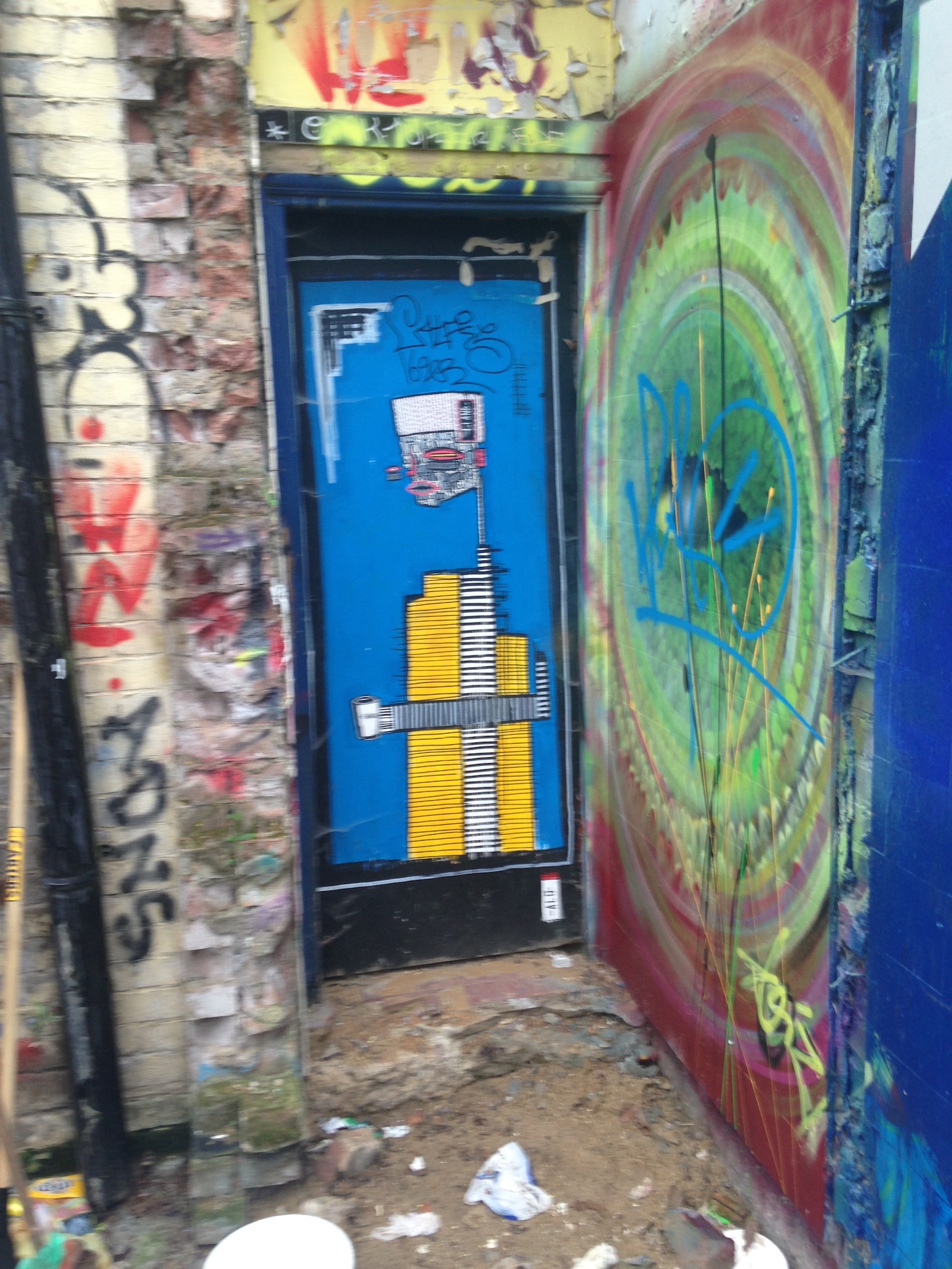
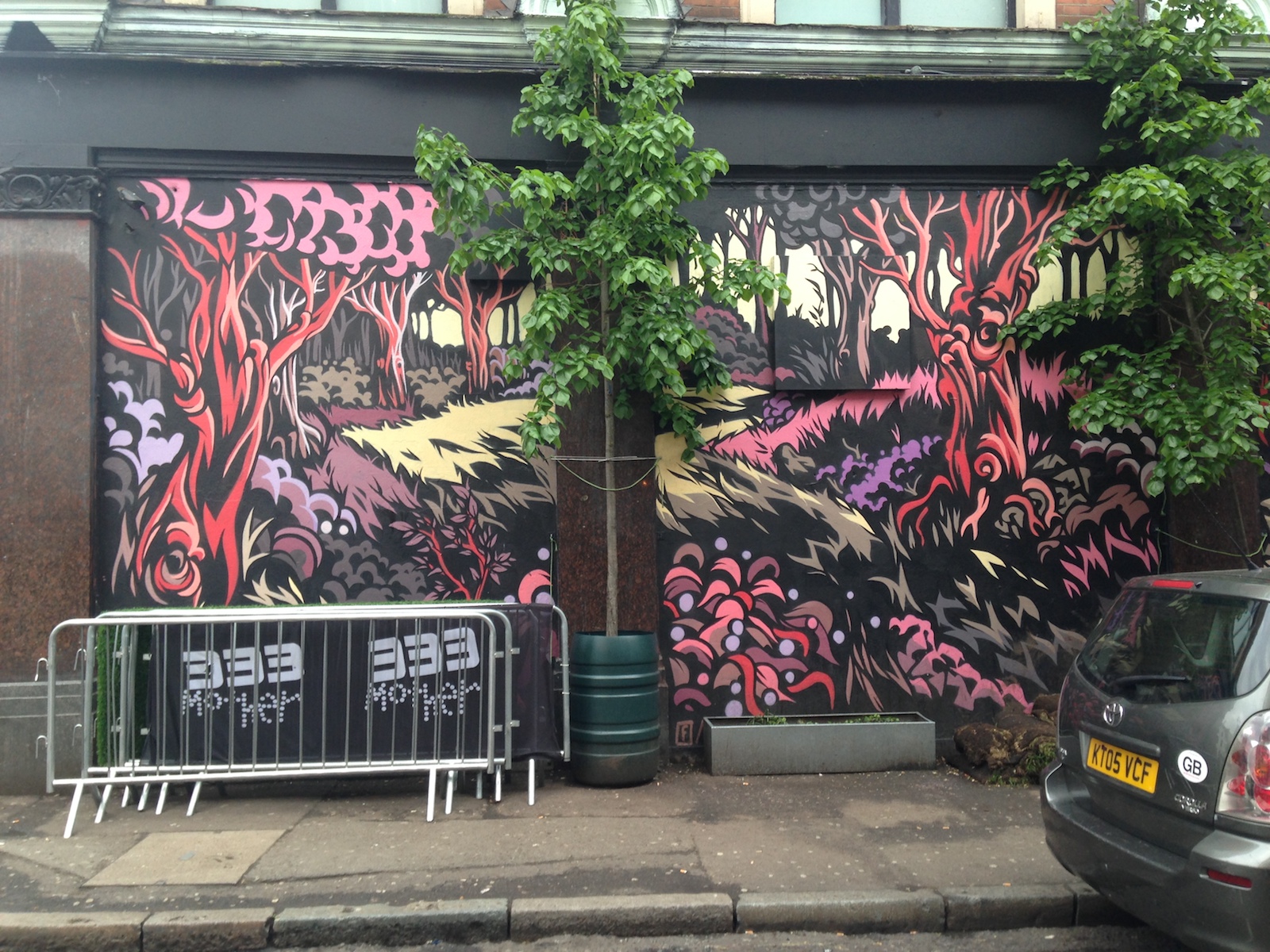
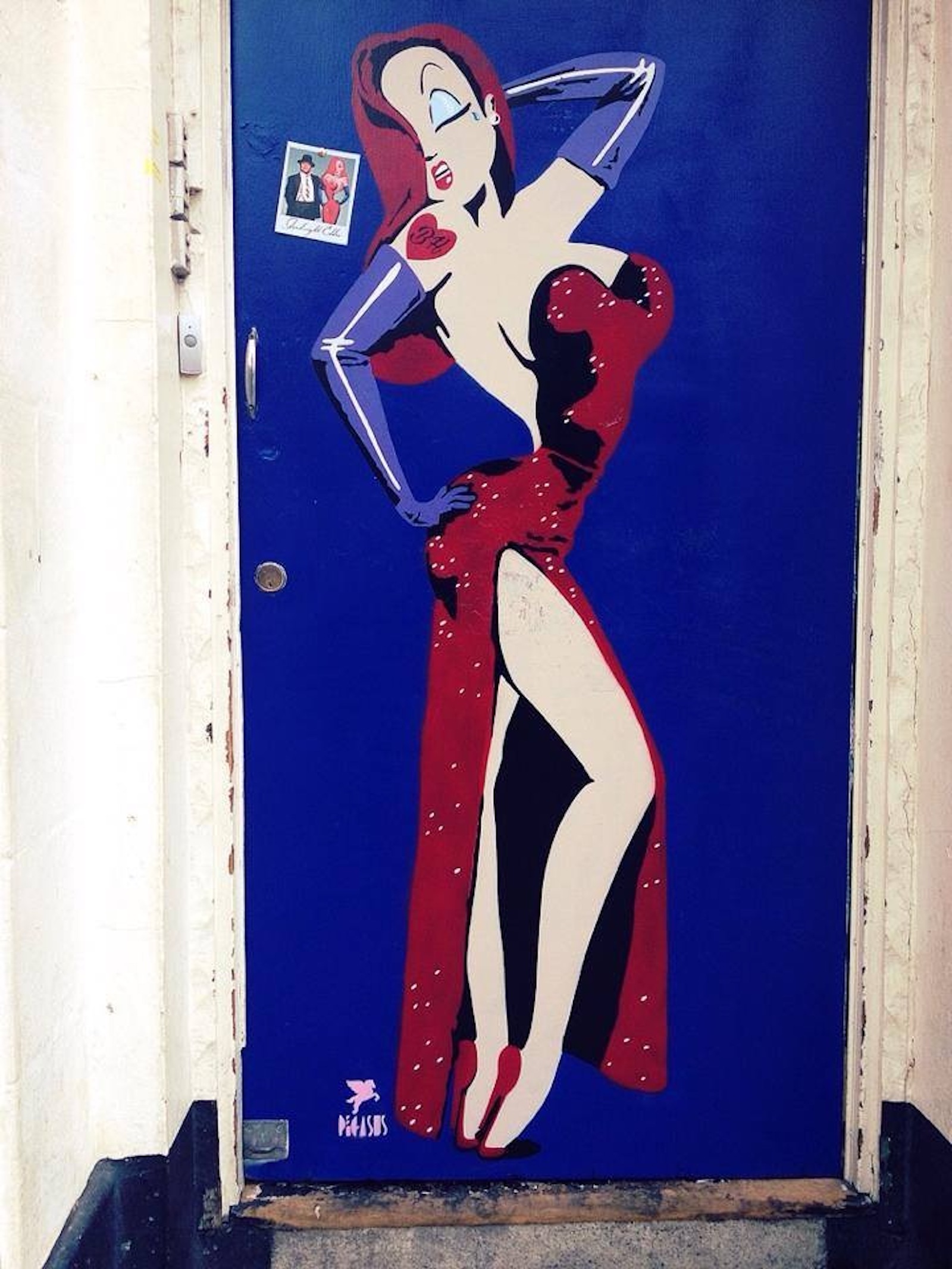
This journal contains over 100 photographs taken across multiple walks through Shoreditch and the wider East London street art scene during 2013 and 2014, documenting the murals, stencils, and paste-ups encountered along the way. Given how quickly street art in the area turns over, very few of these pieces are likely to still exist in their photographed form today.
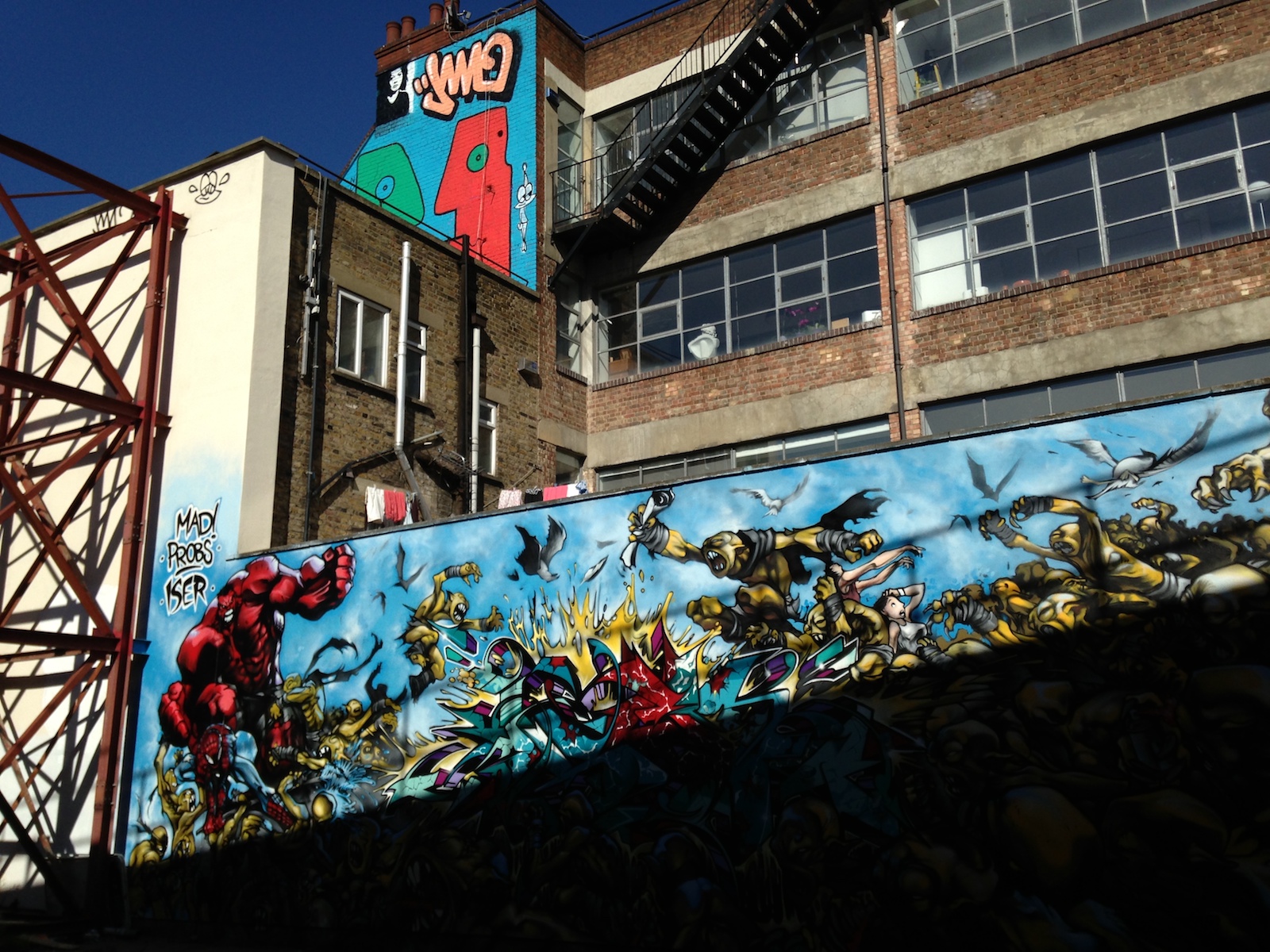
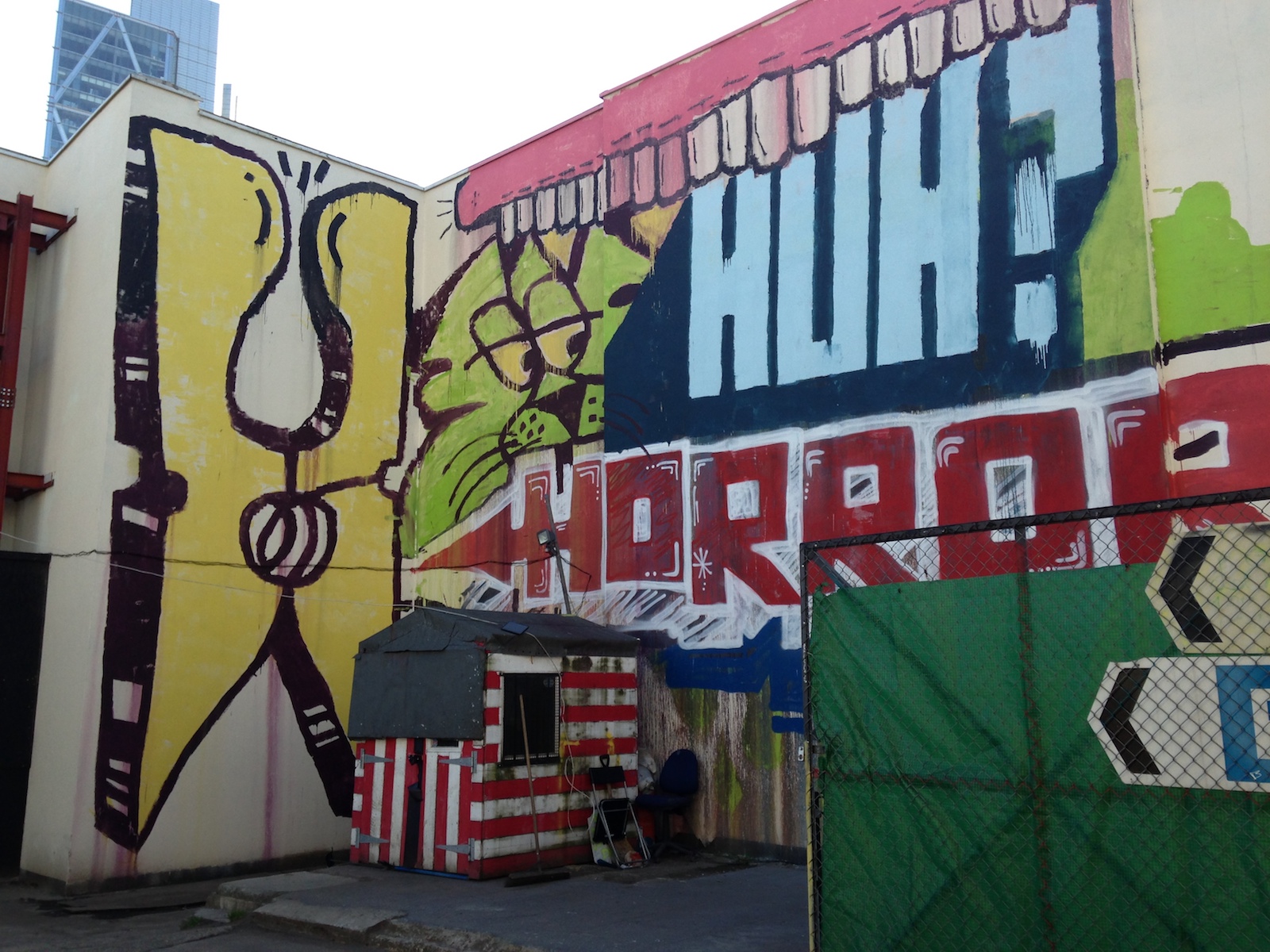
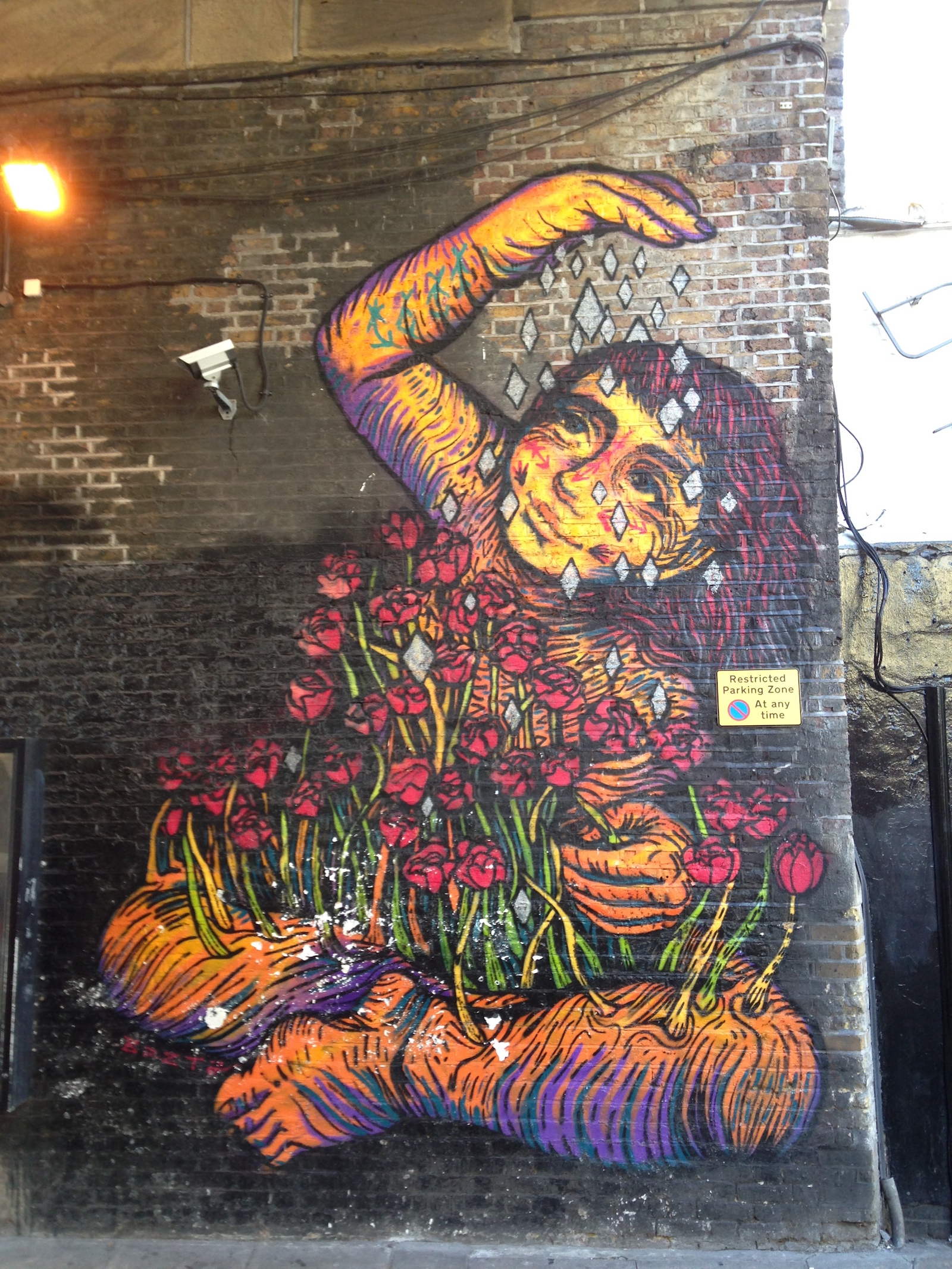
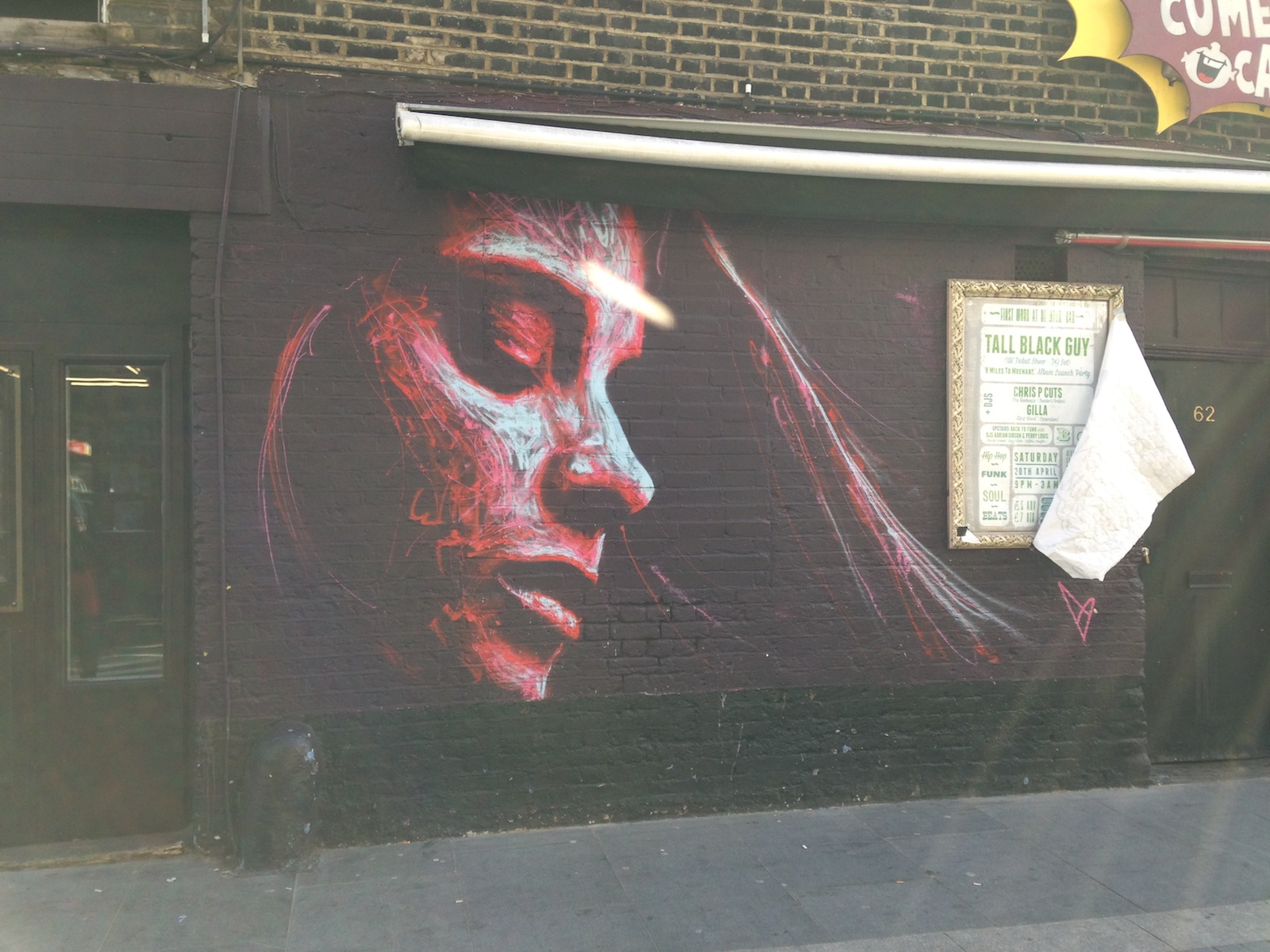

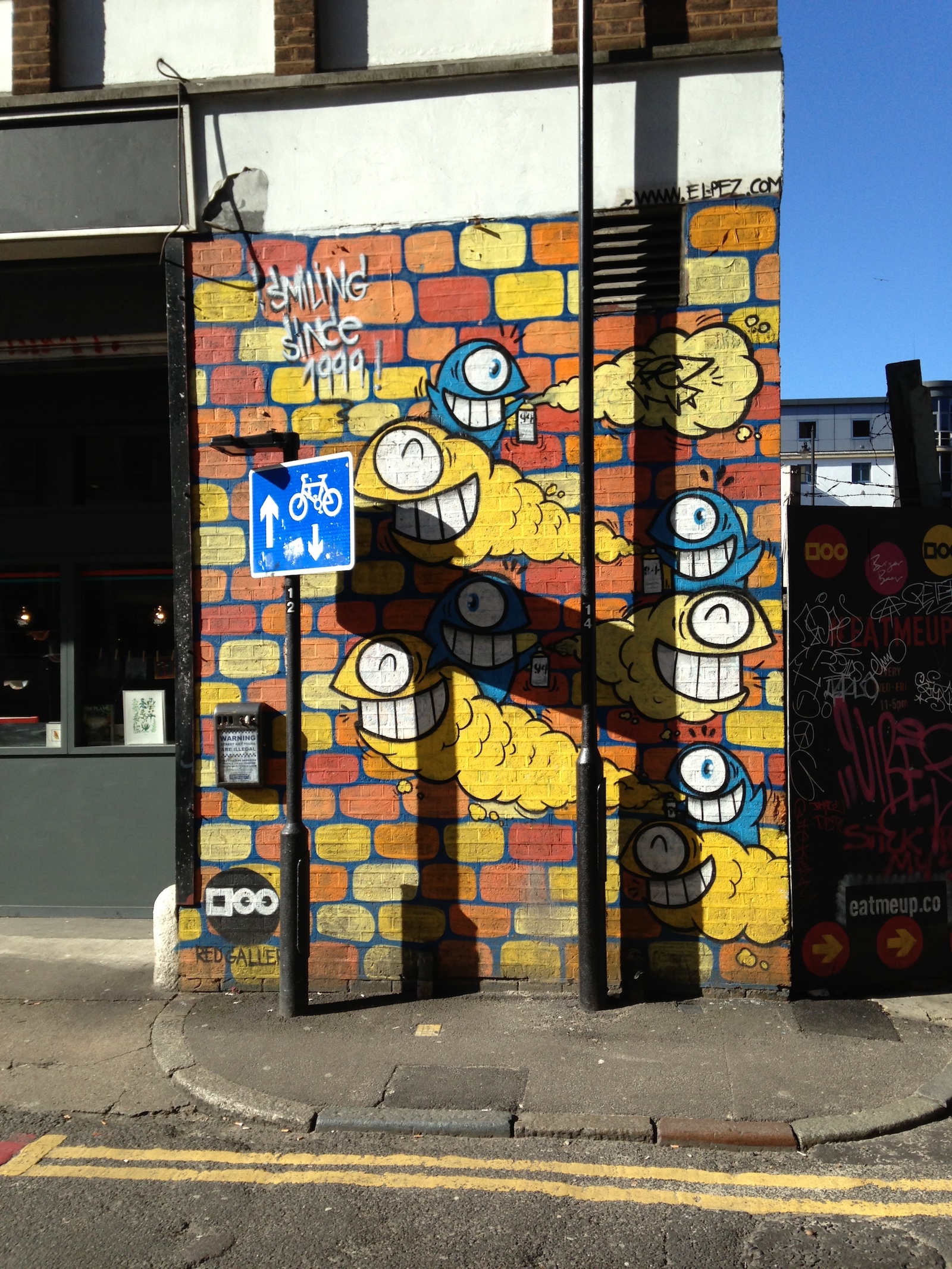
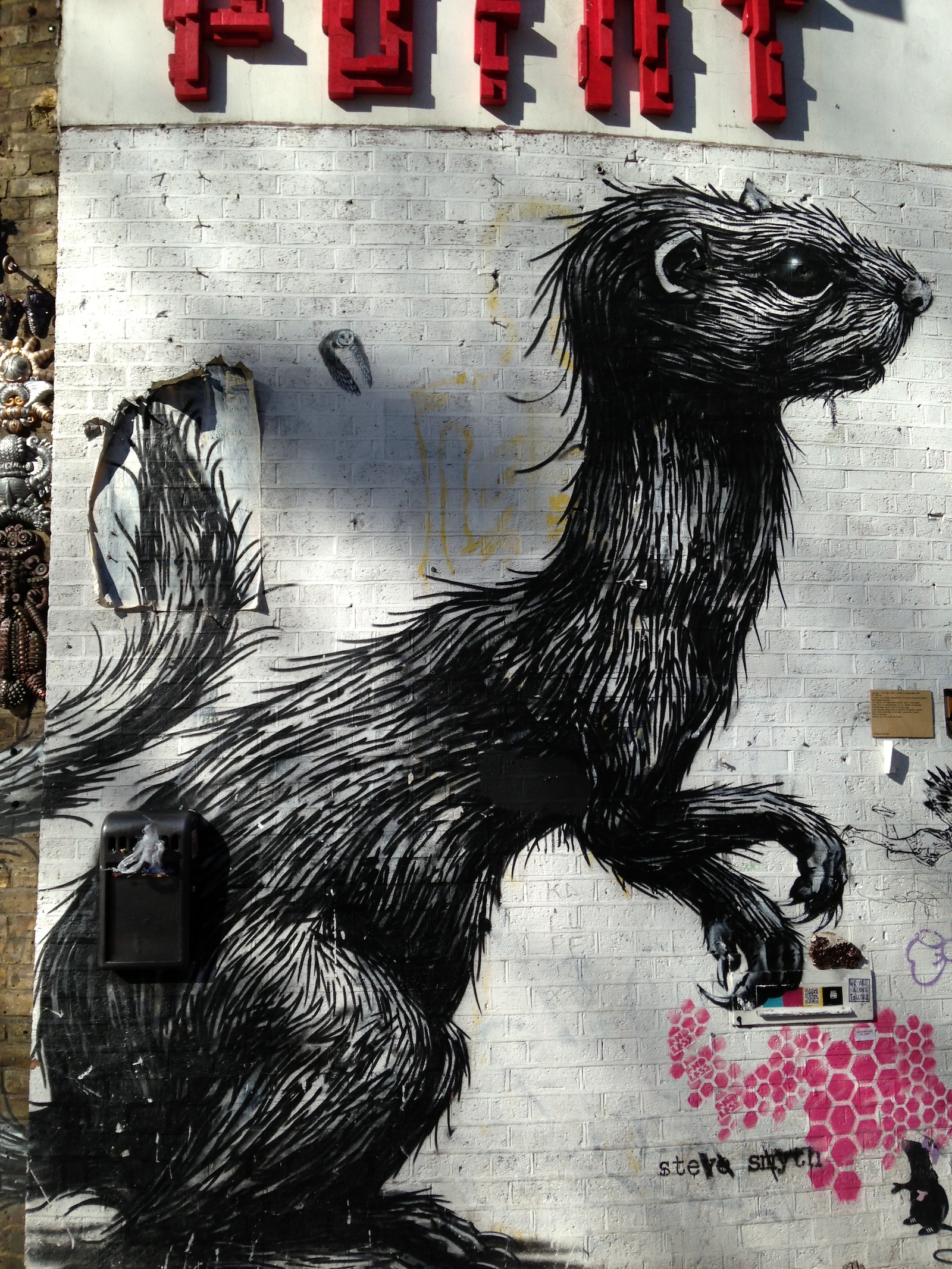
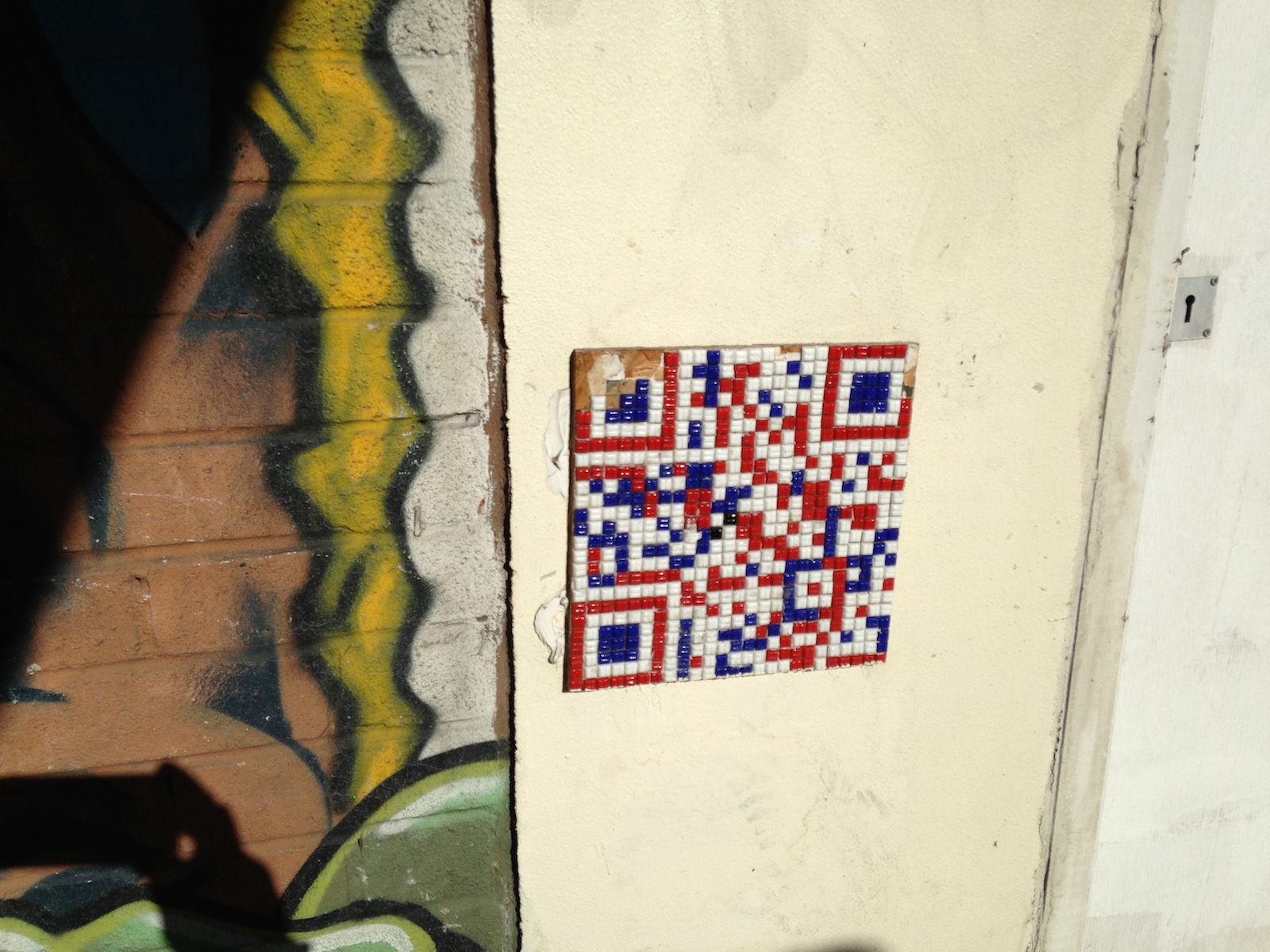
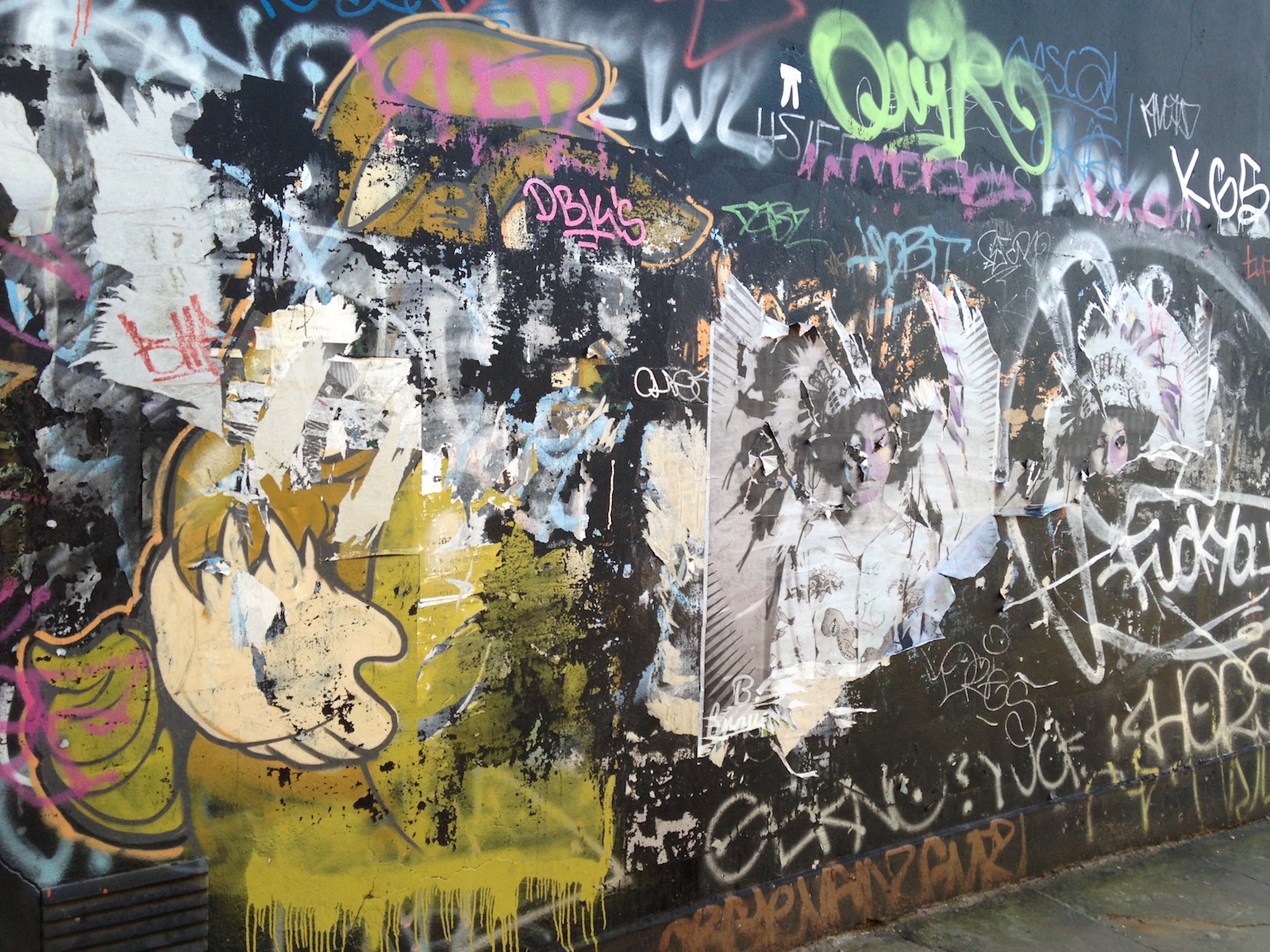

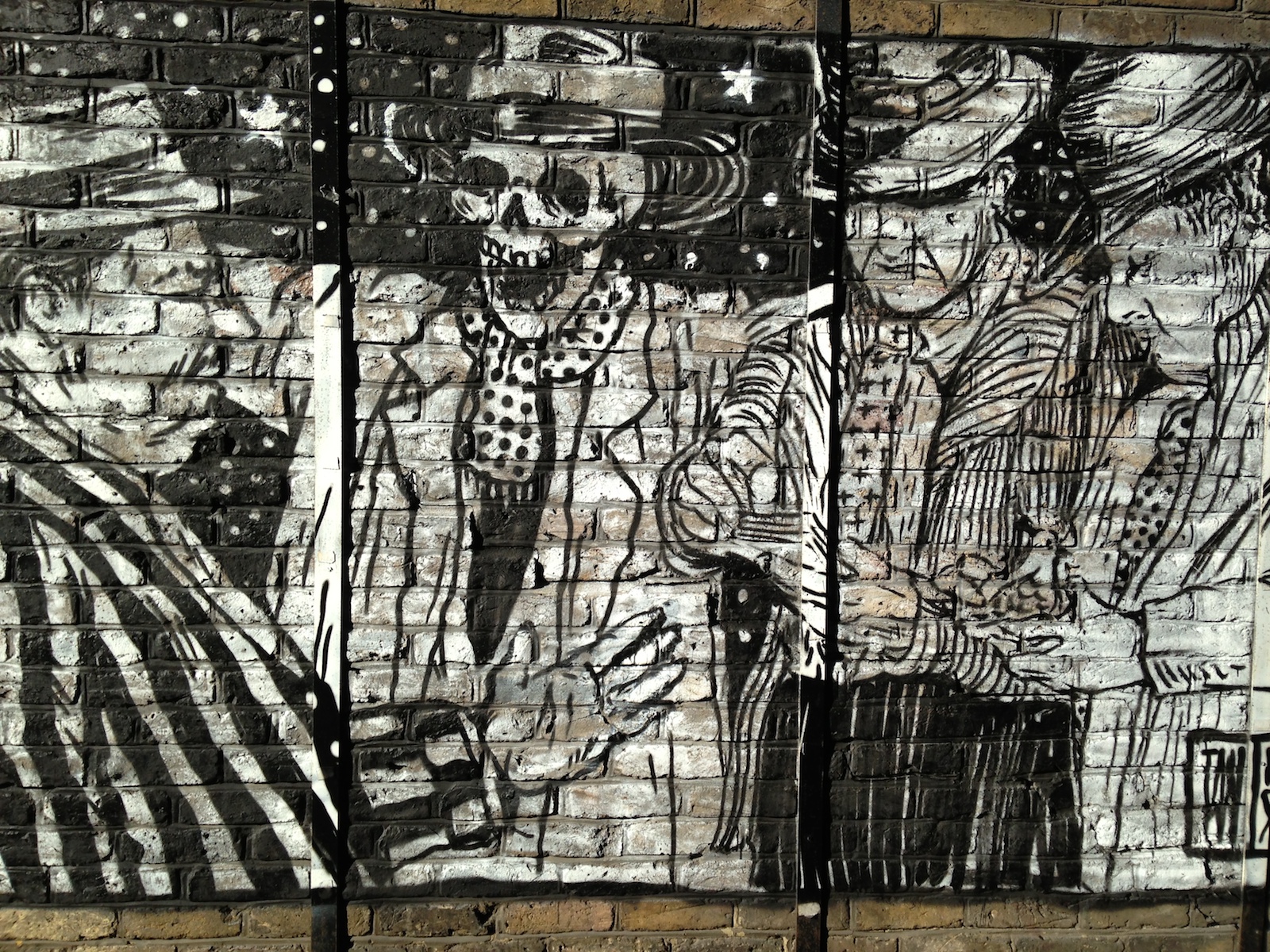
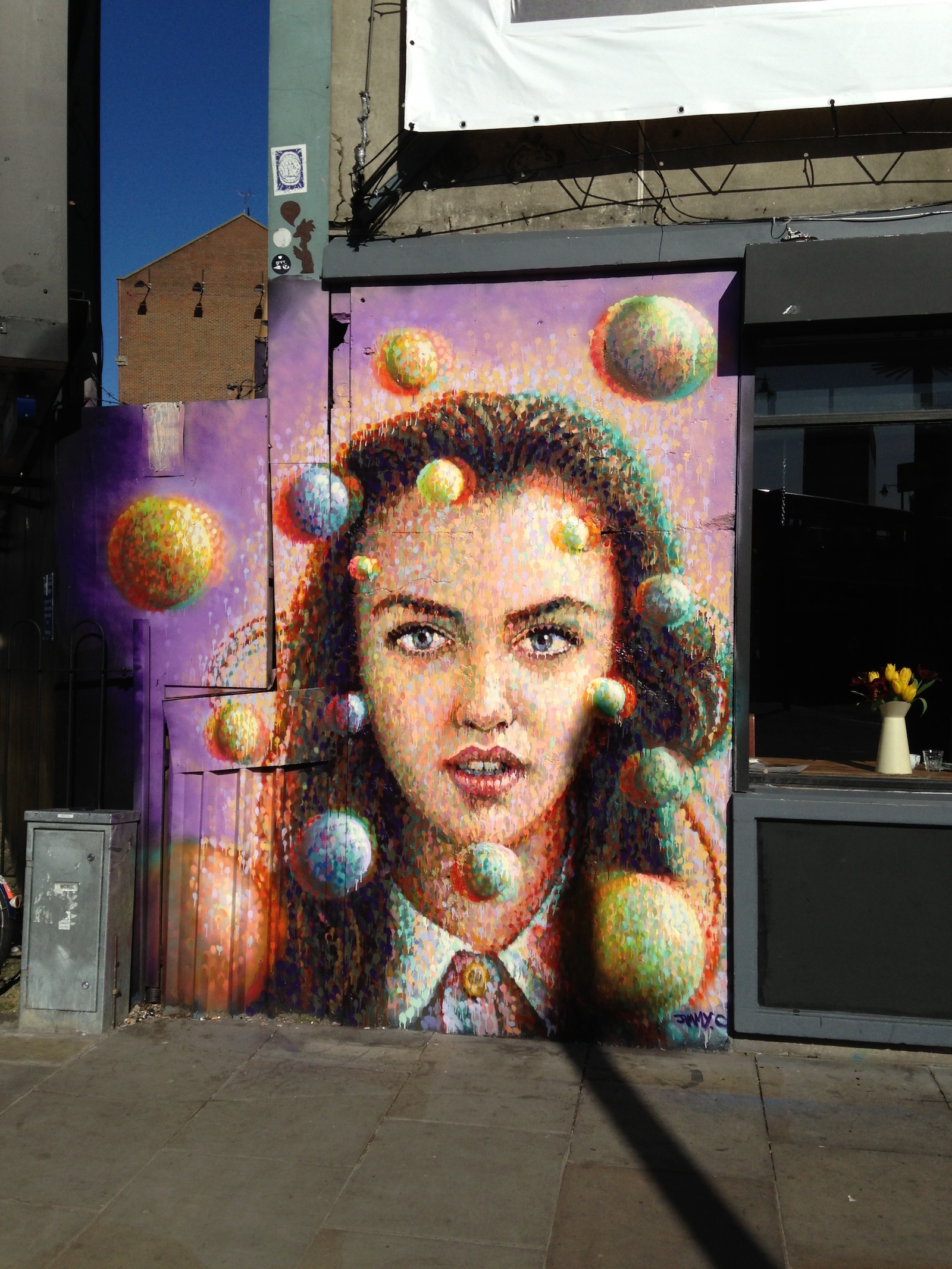

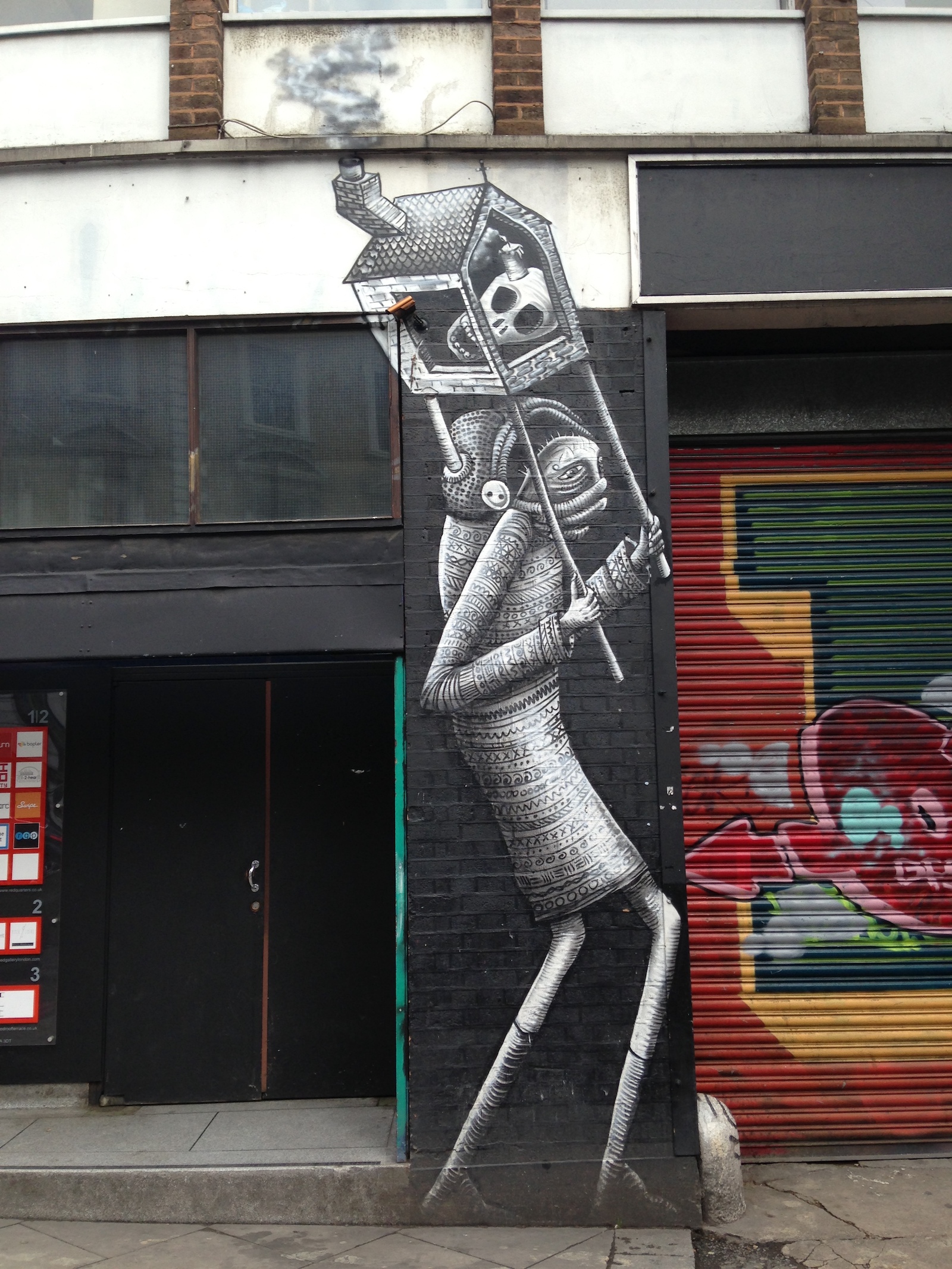

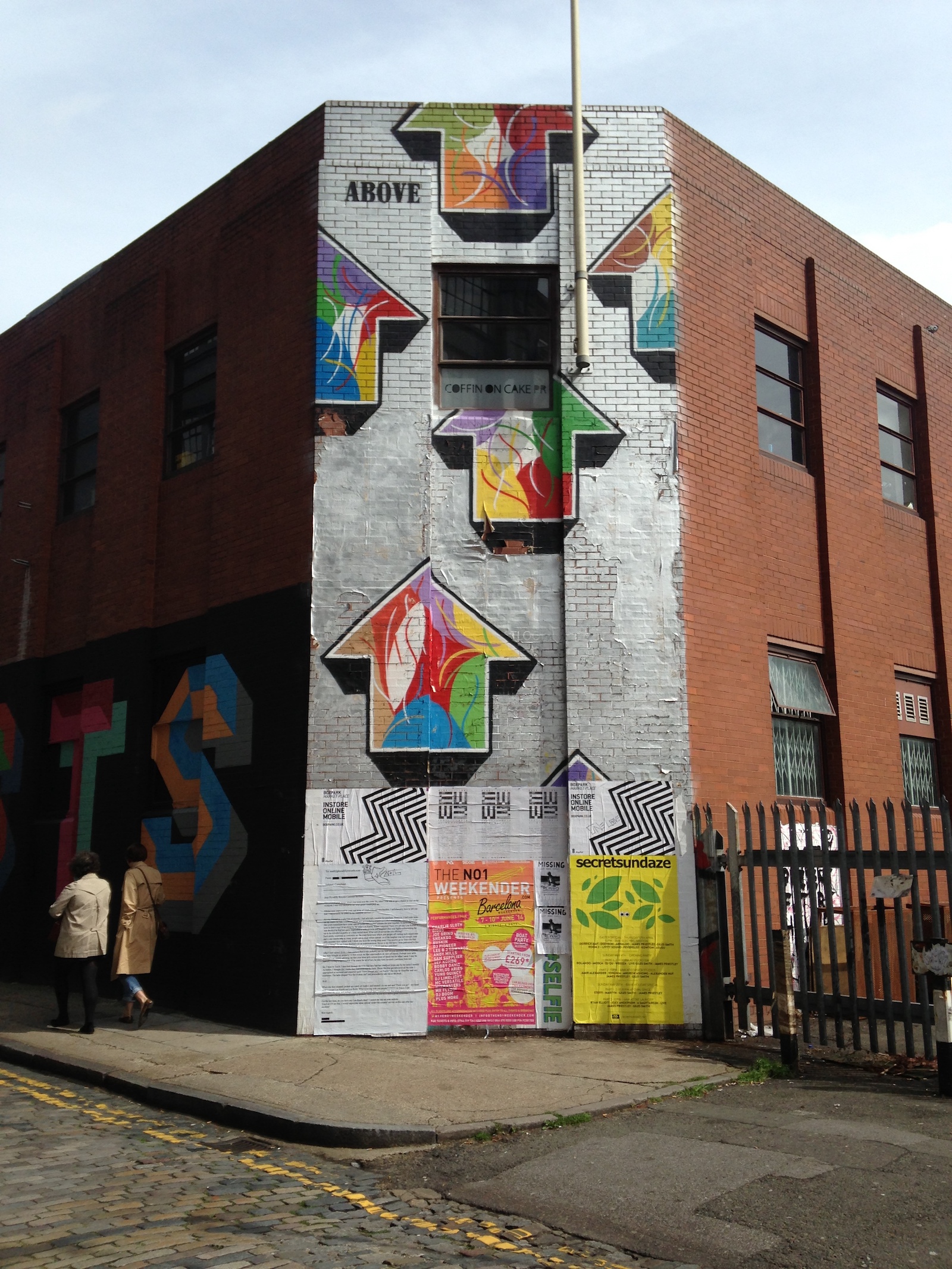


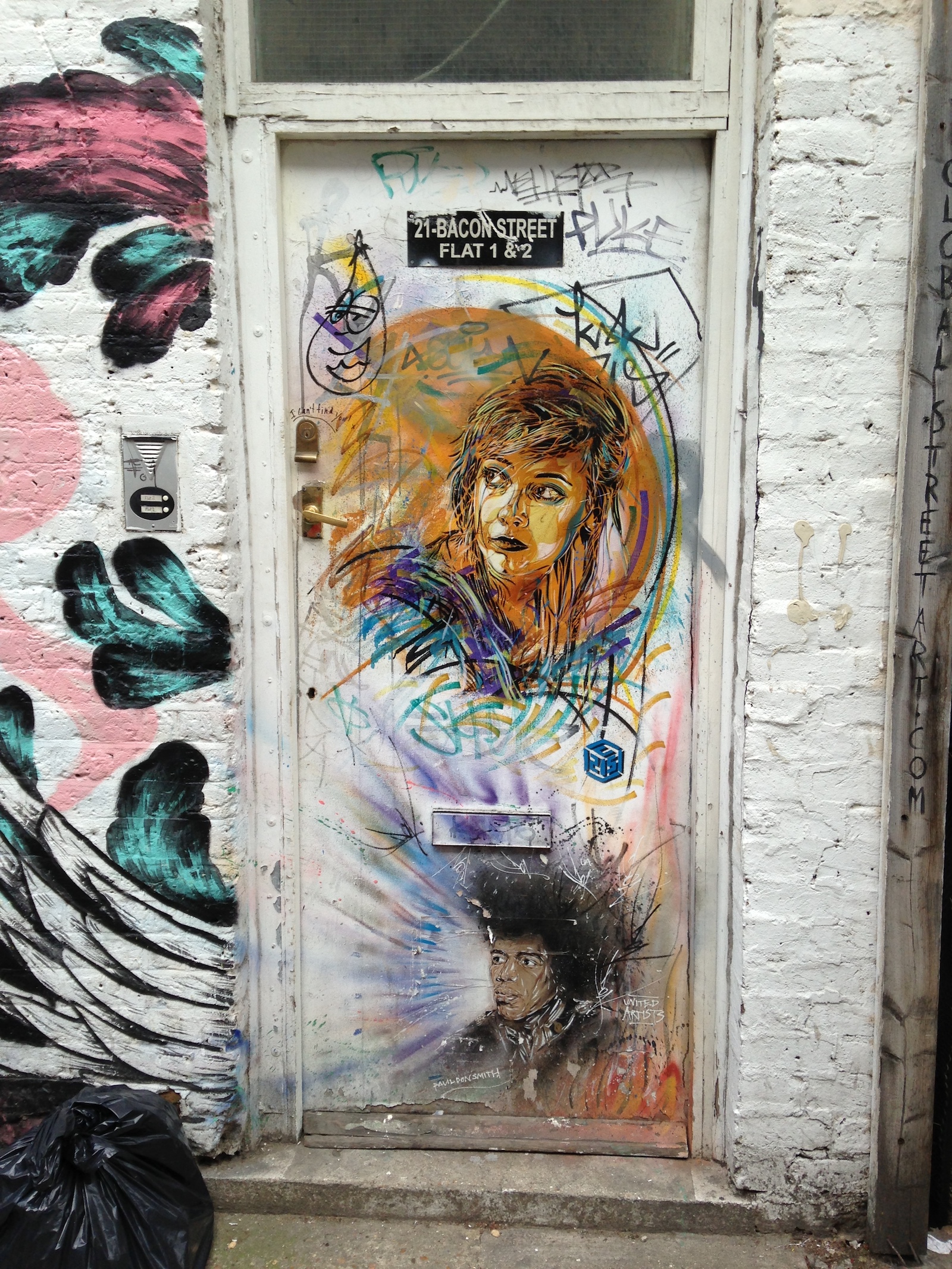


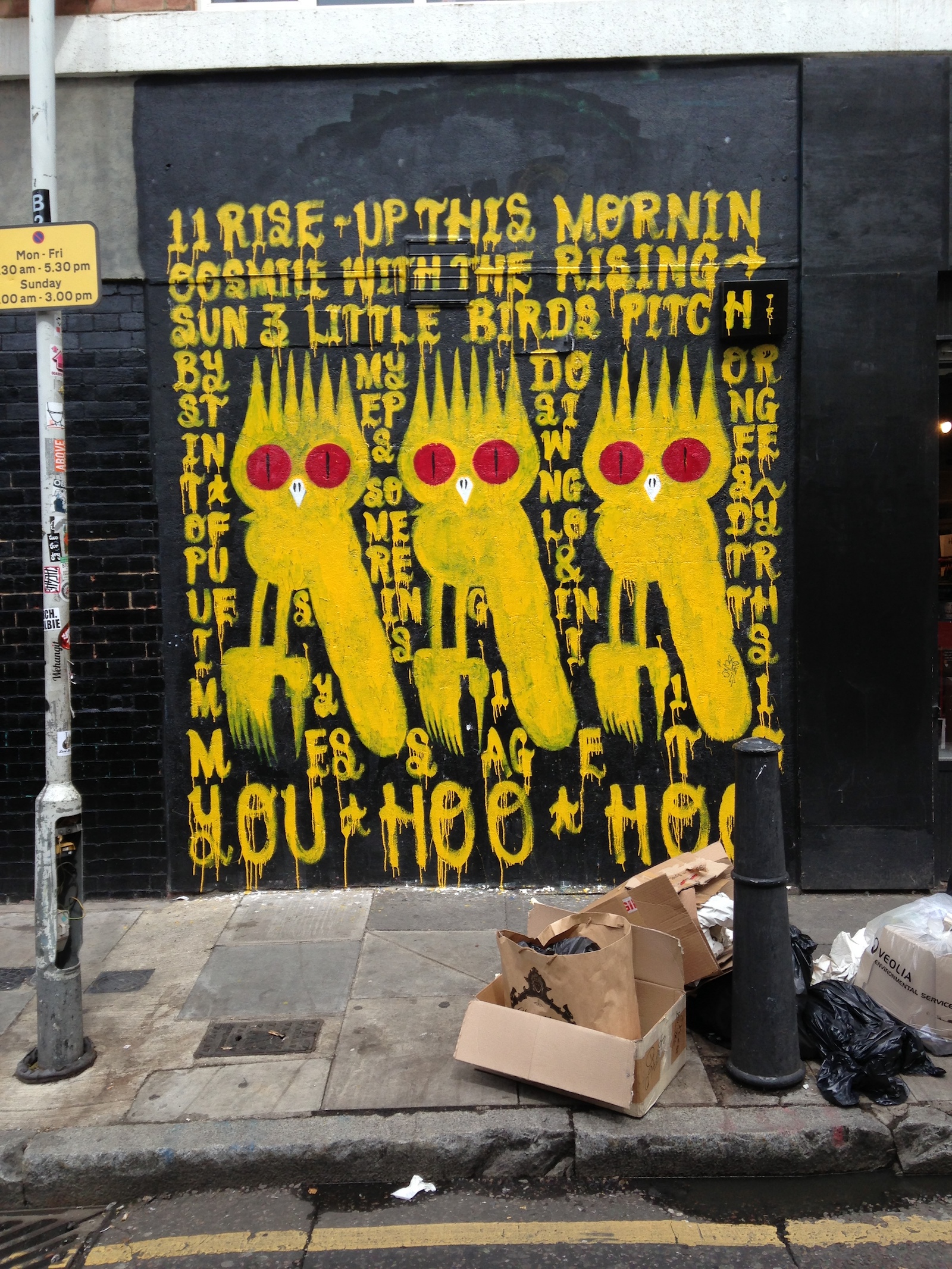


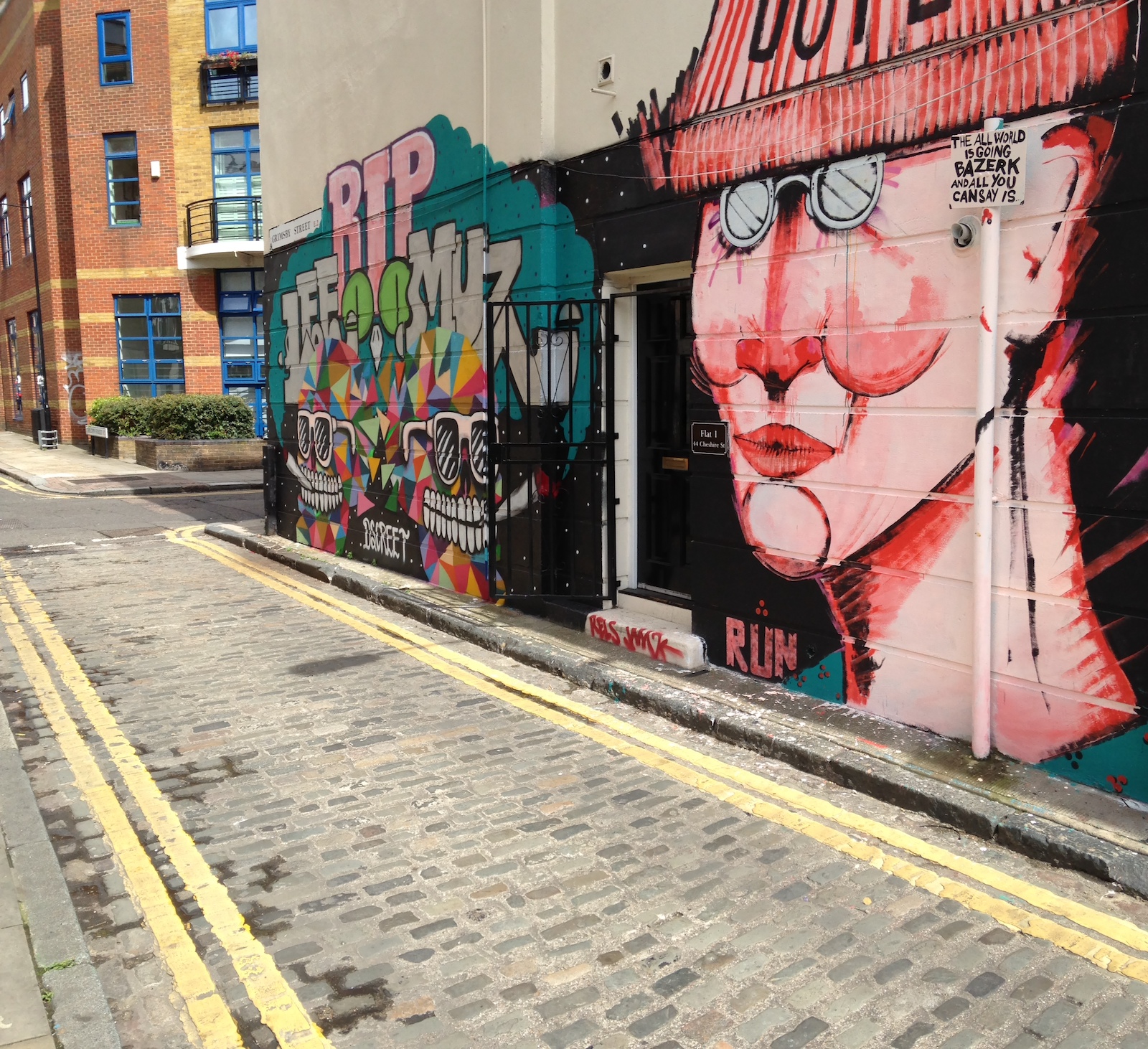
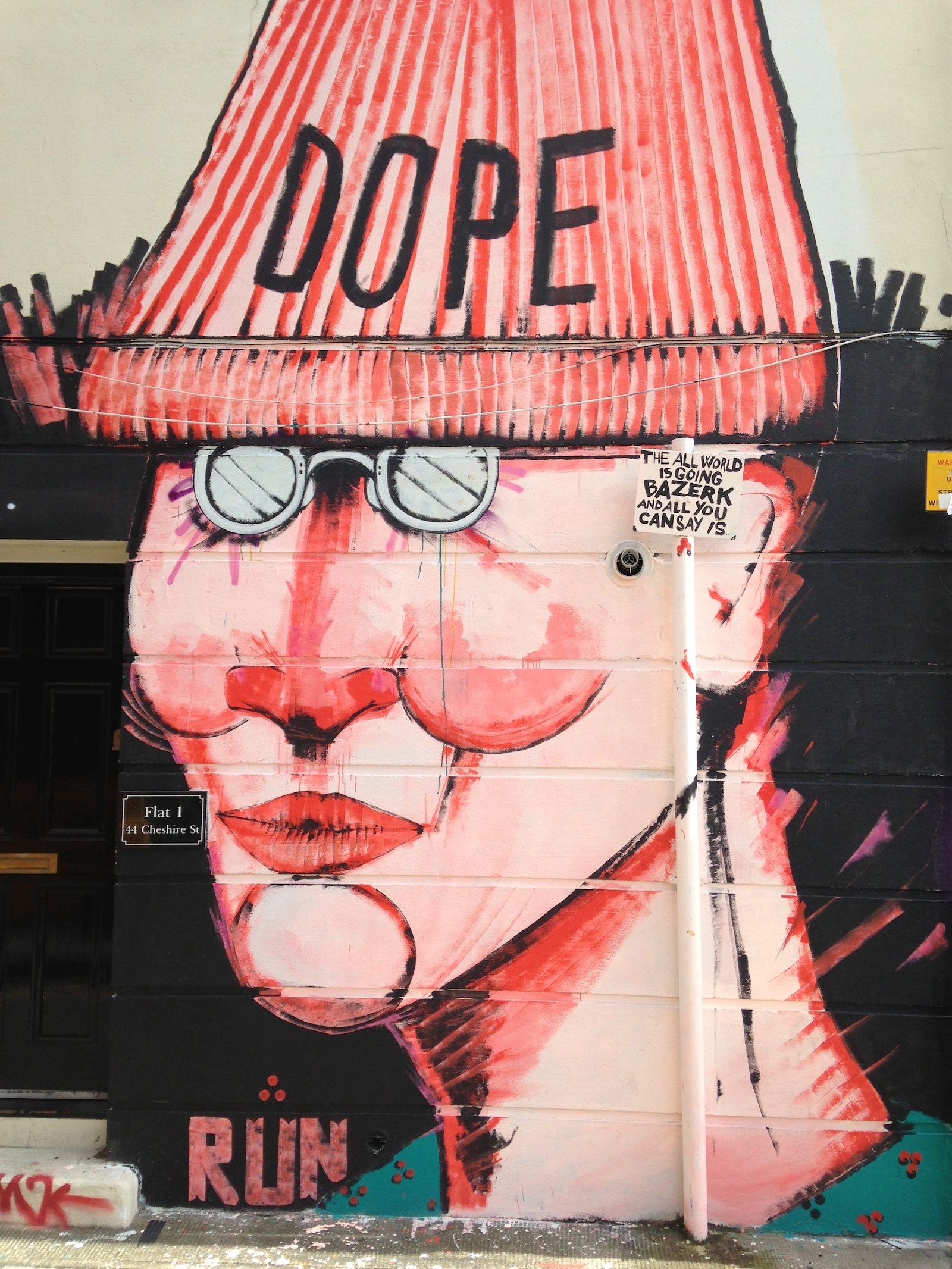
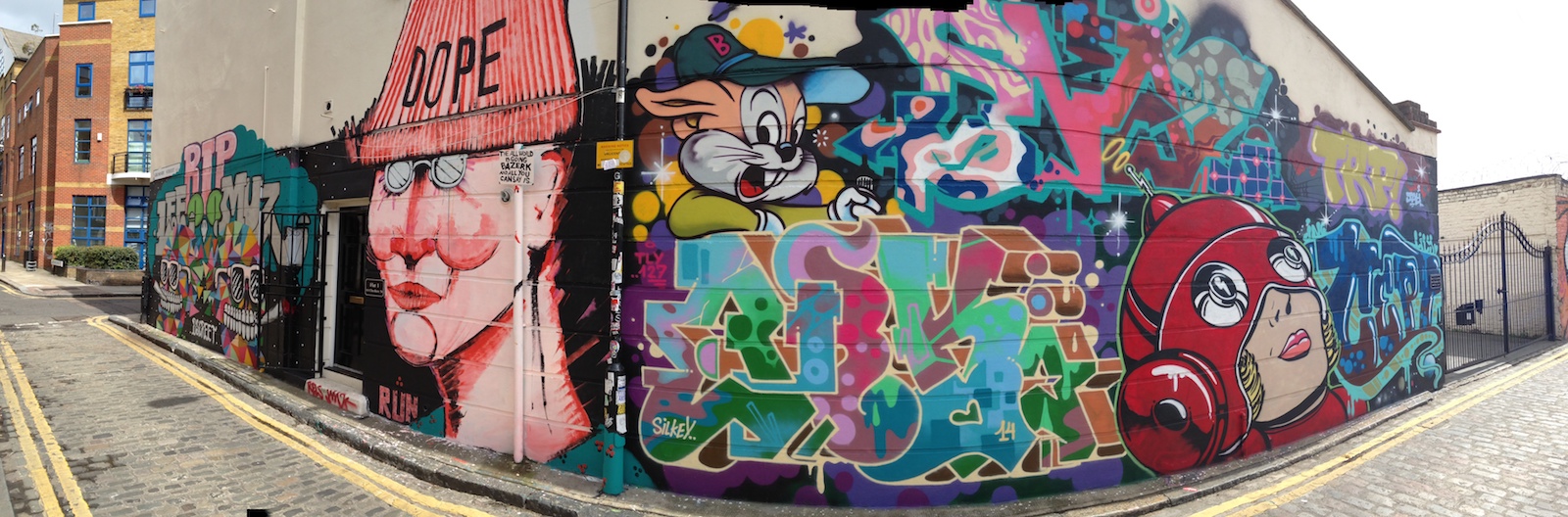

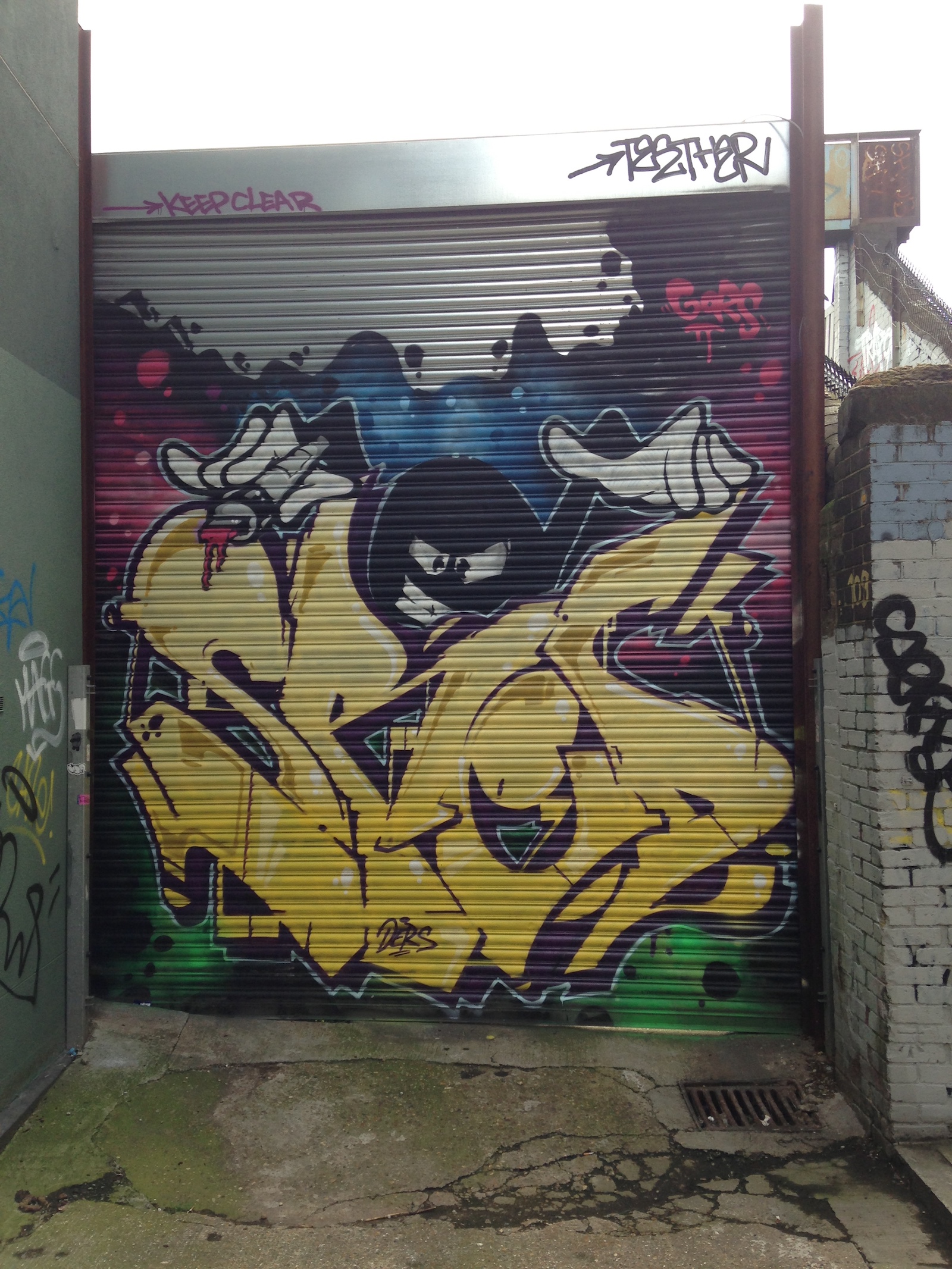
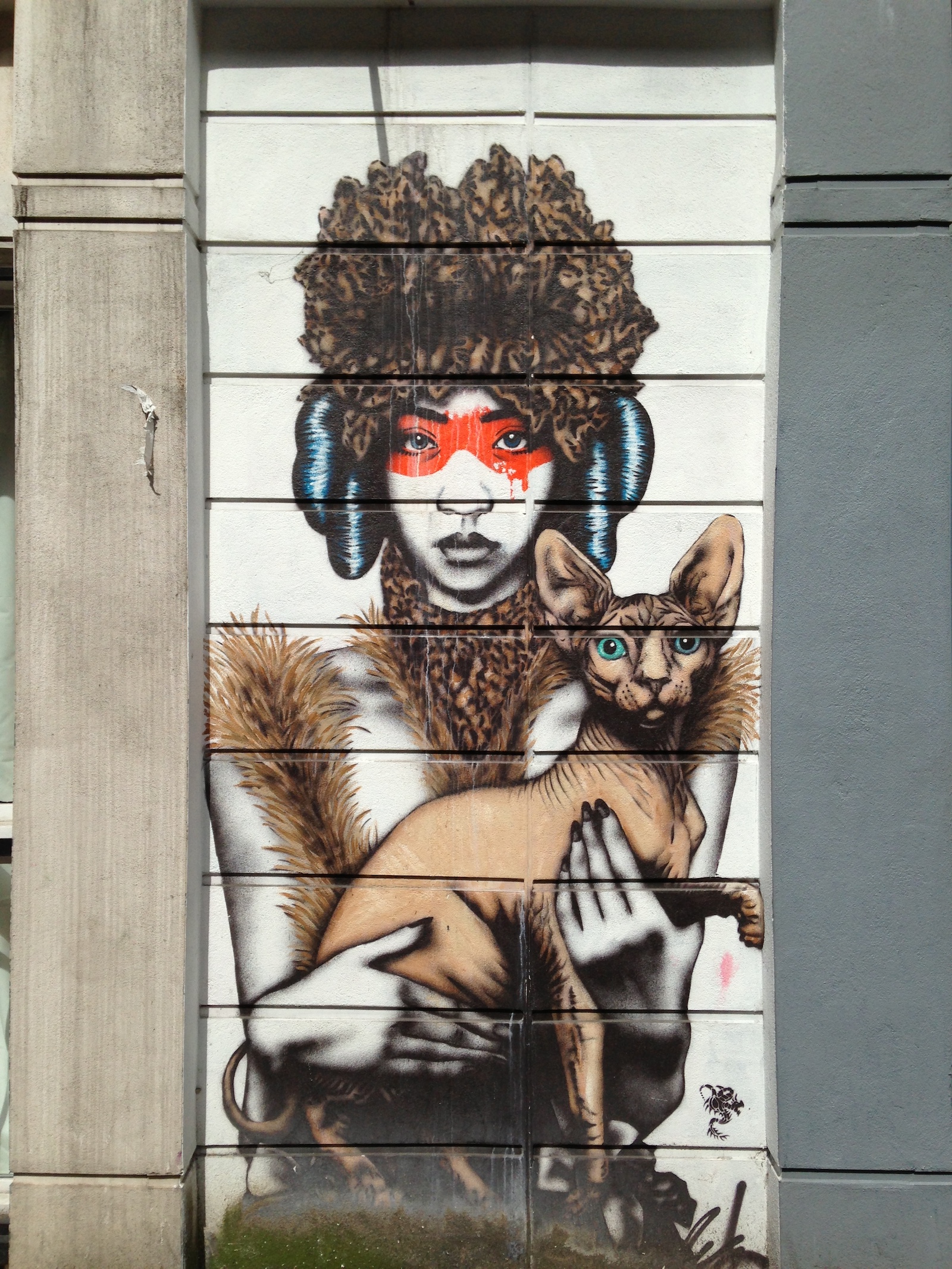
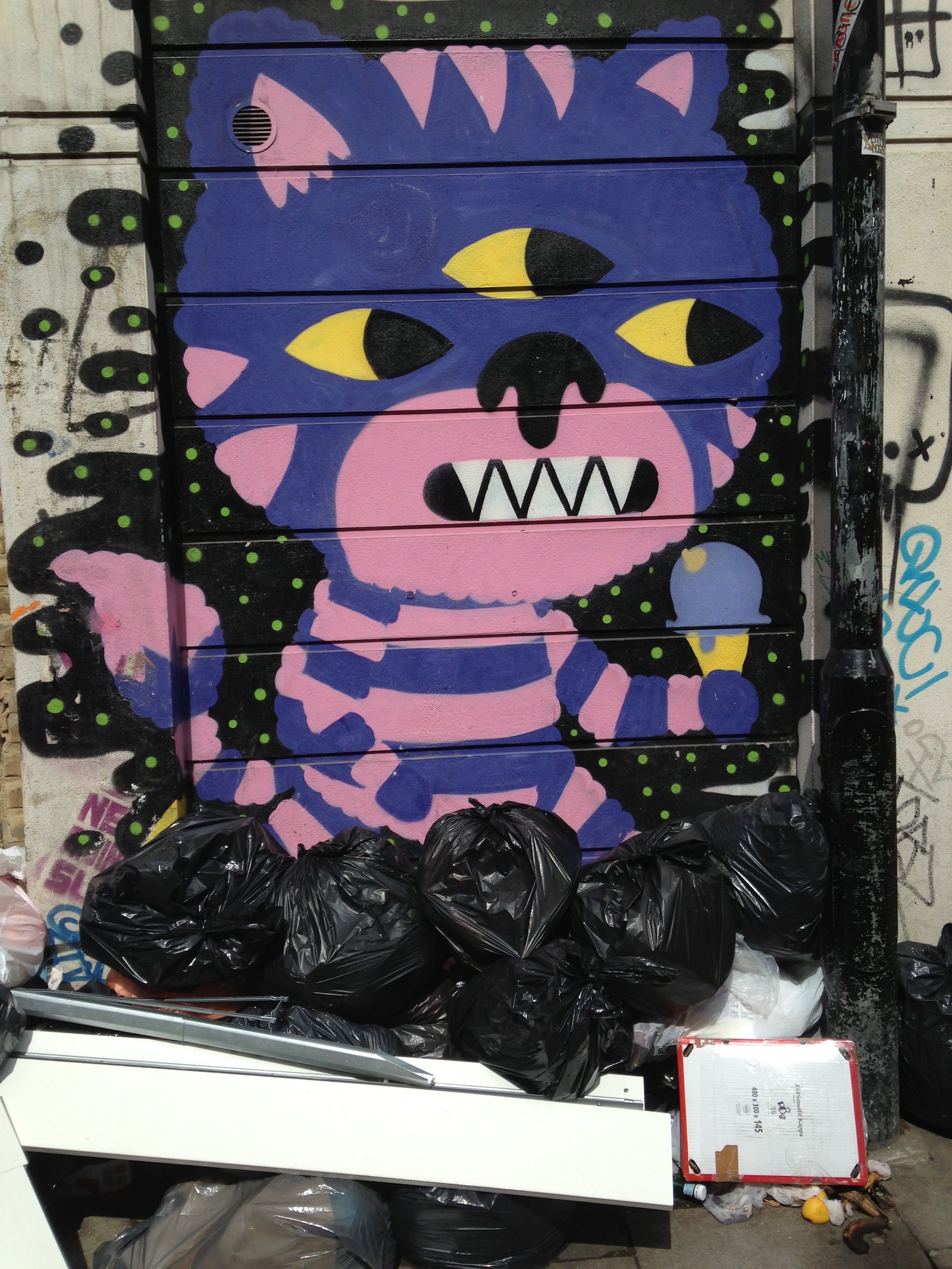


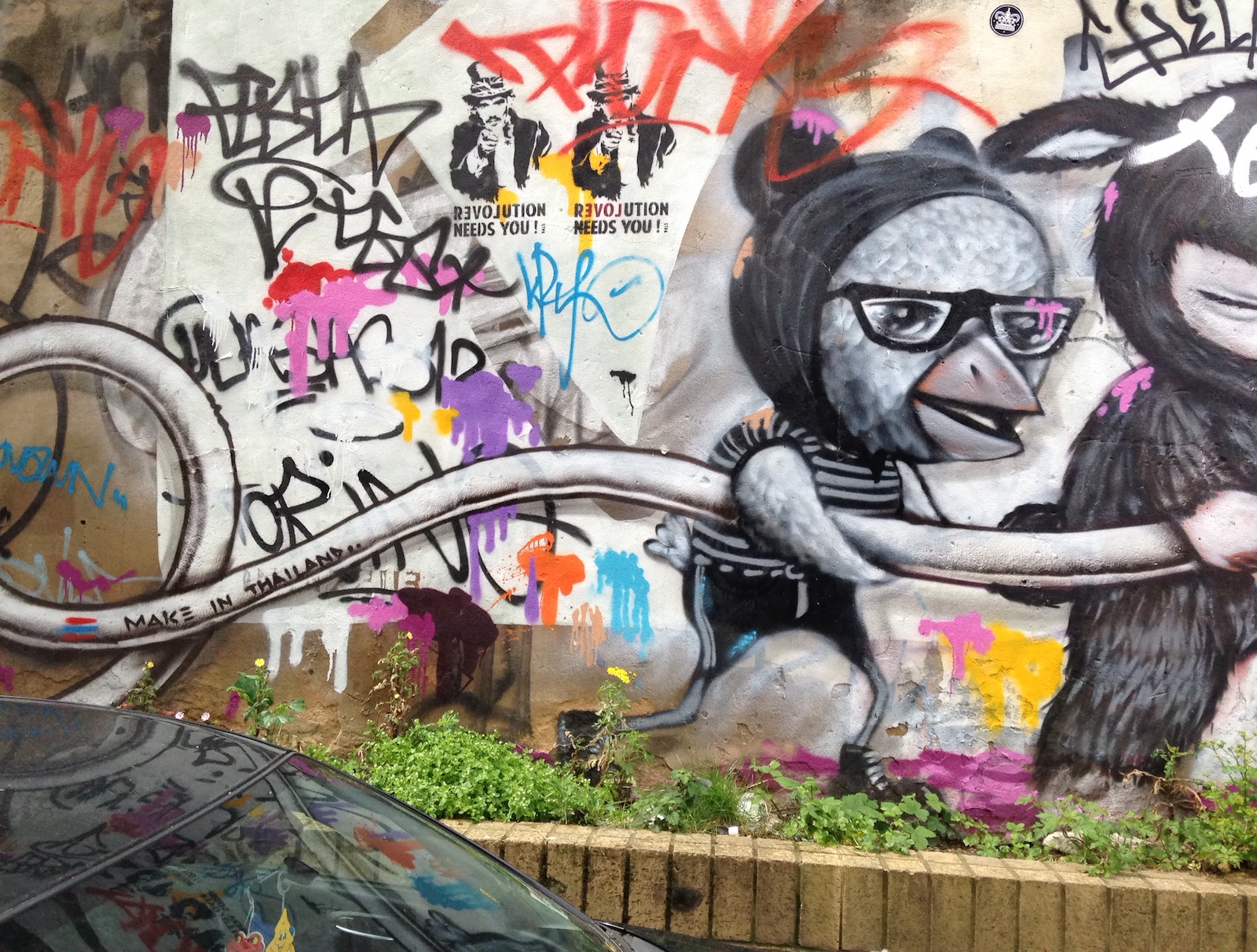
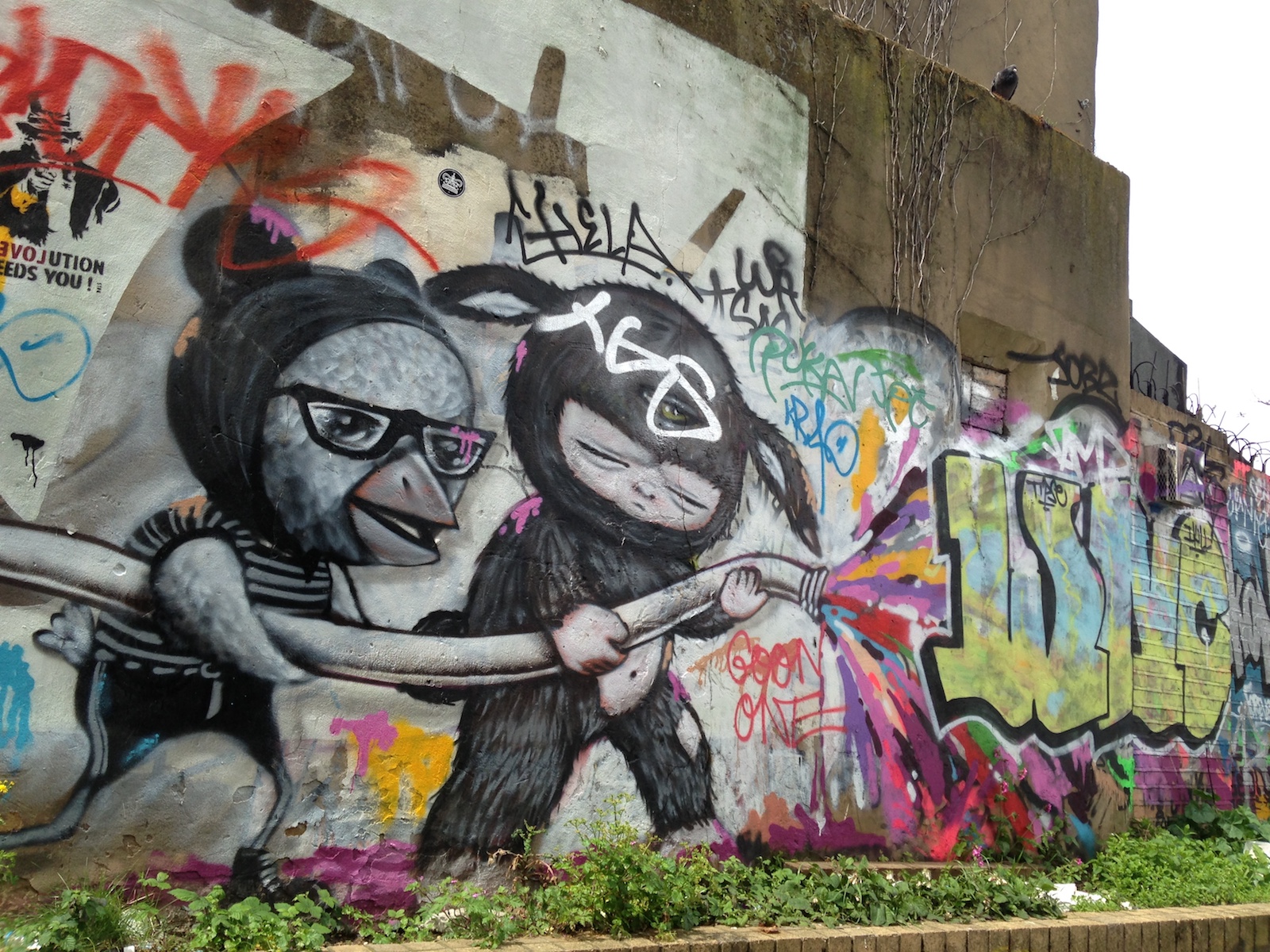
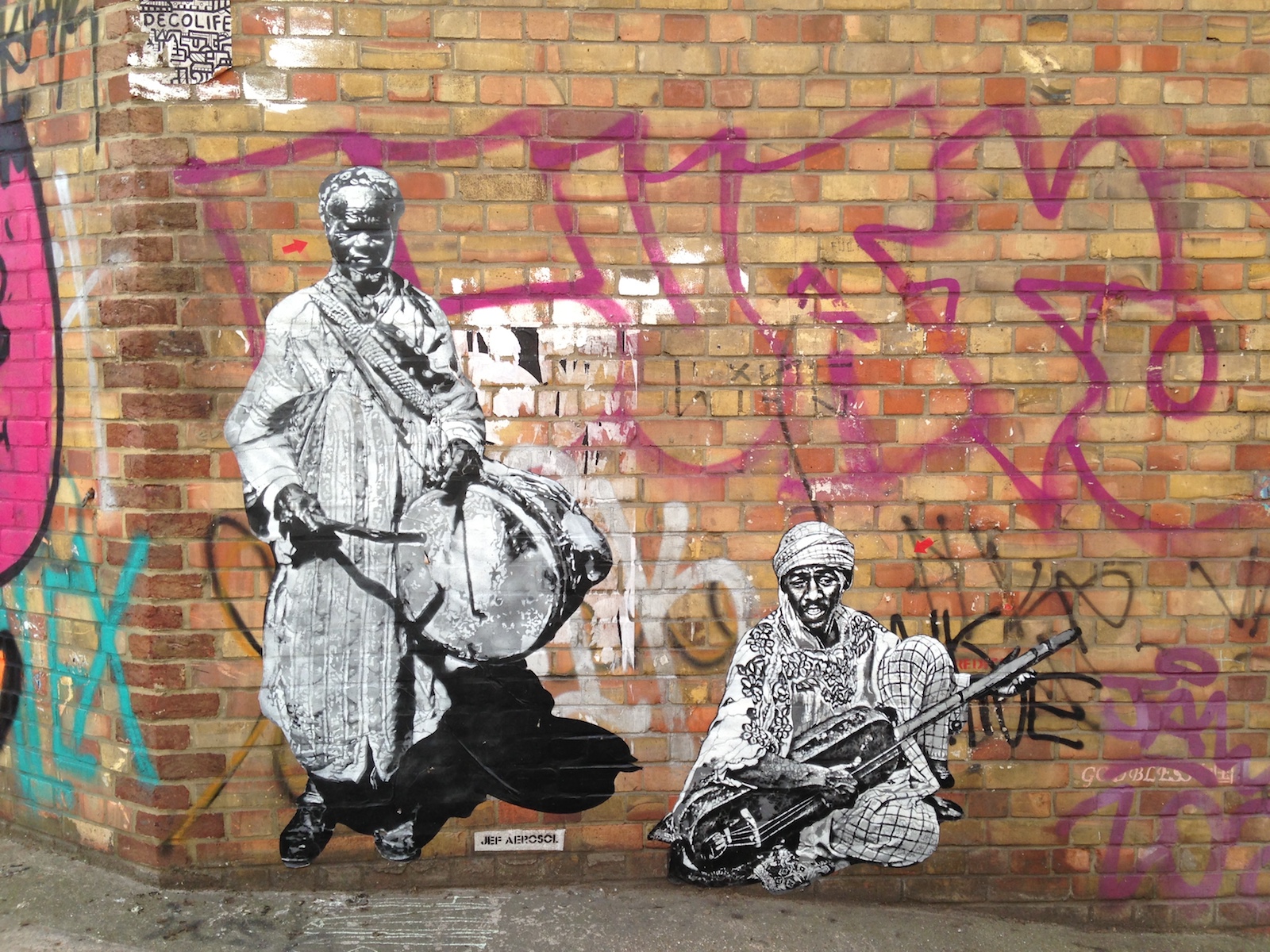
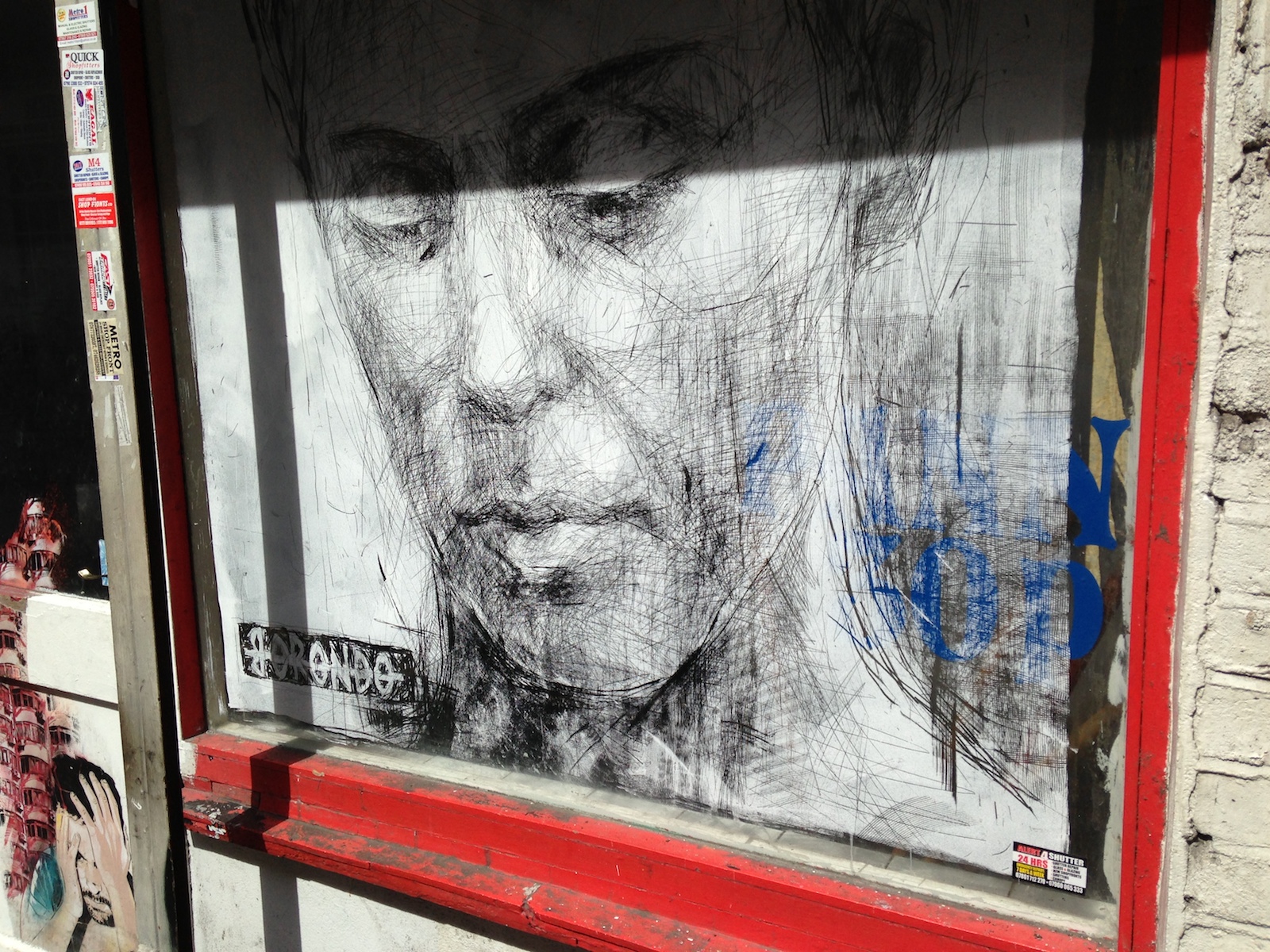










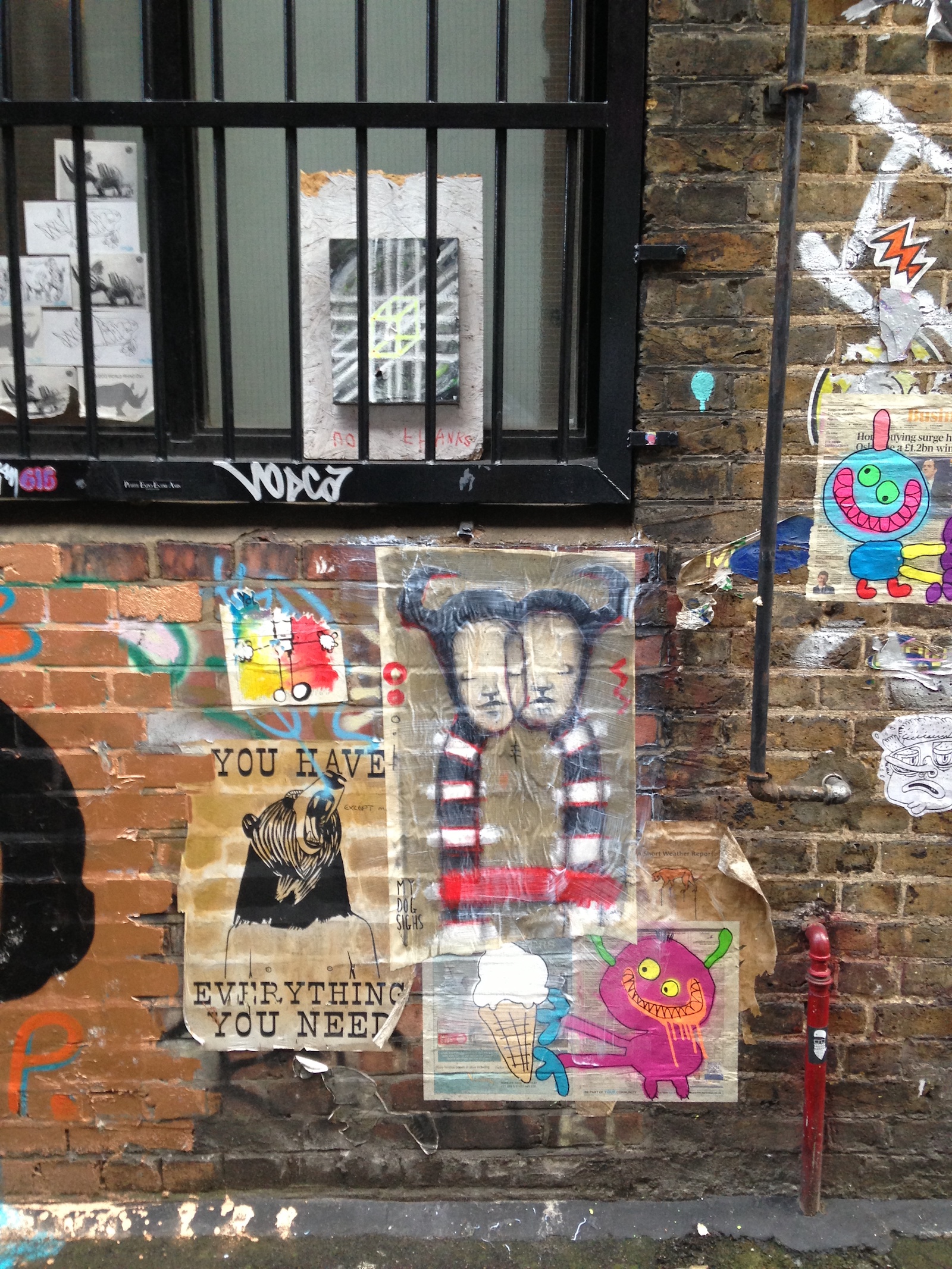


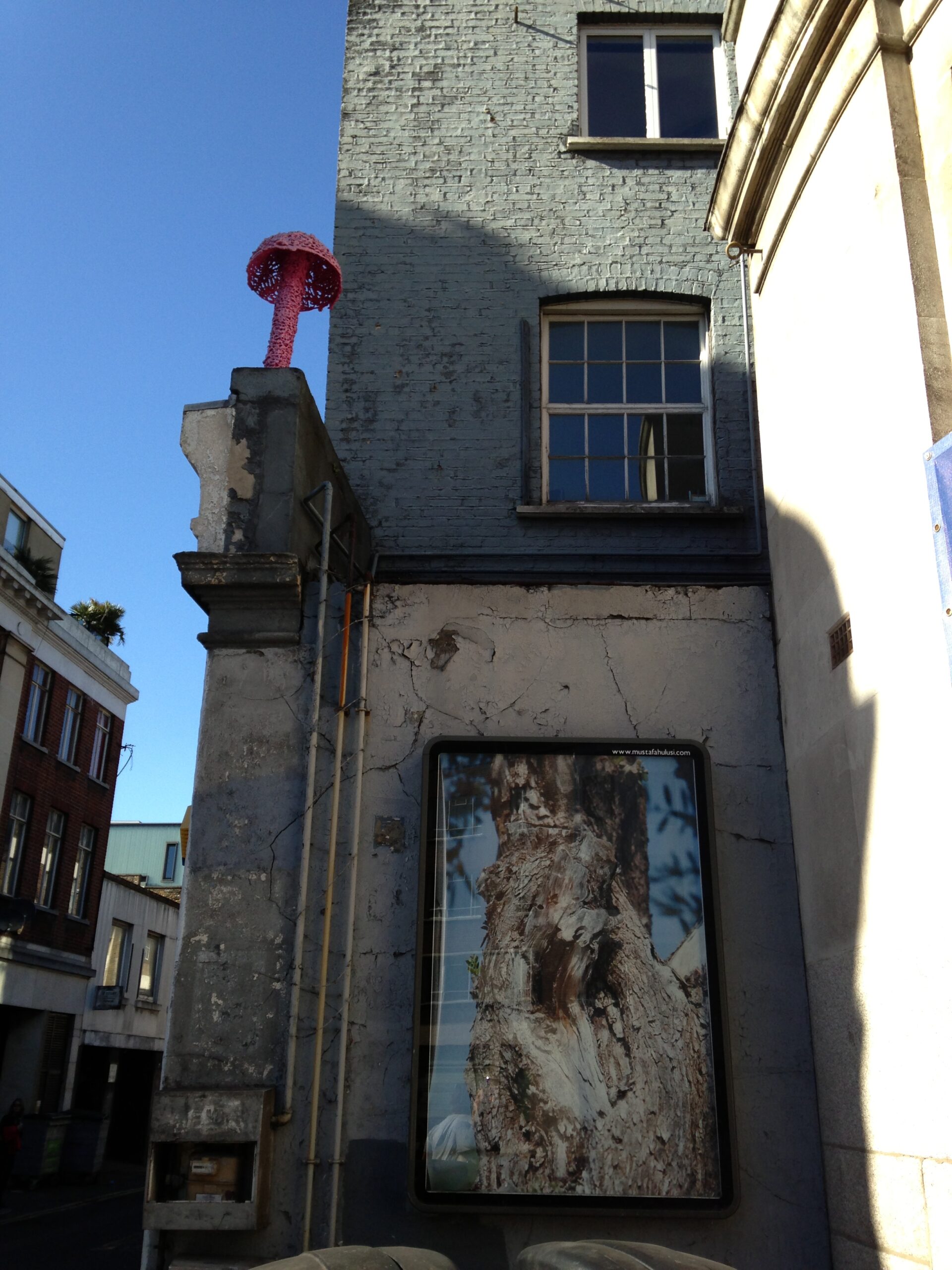
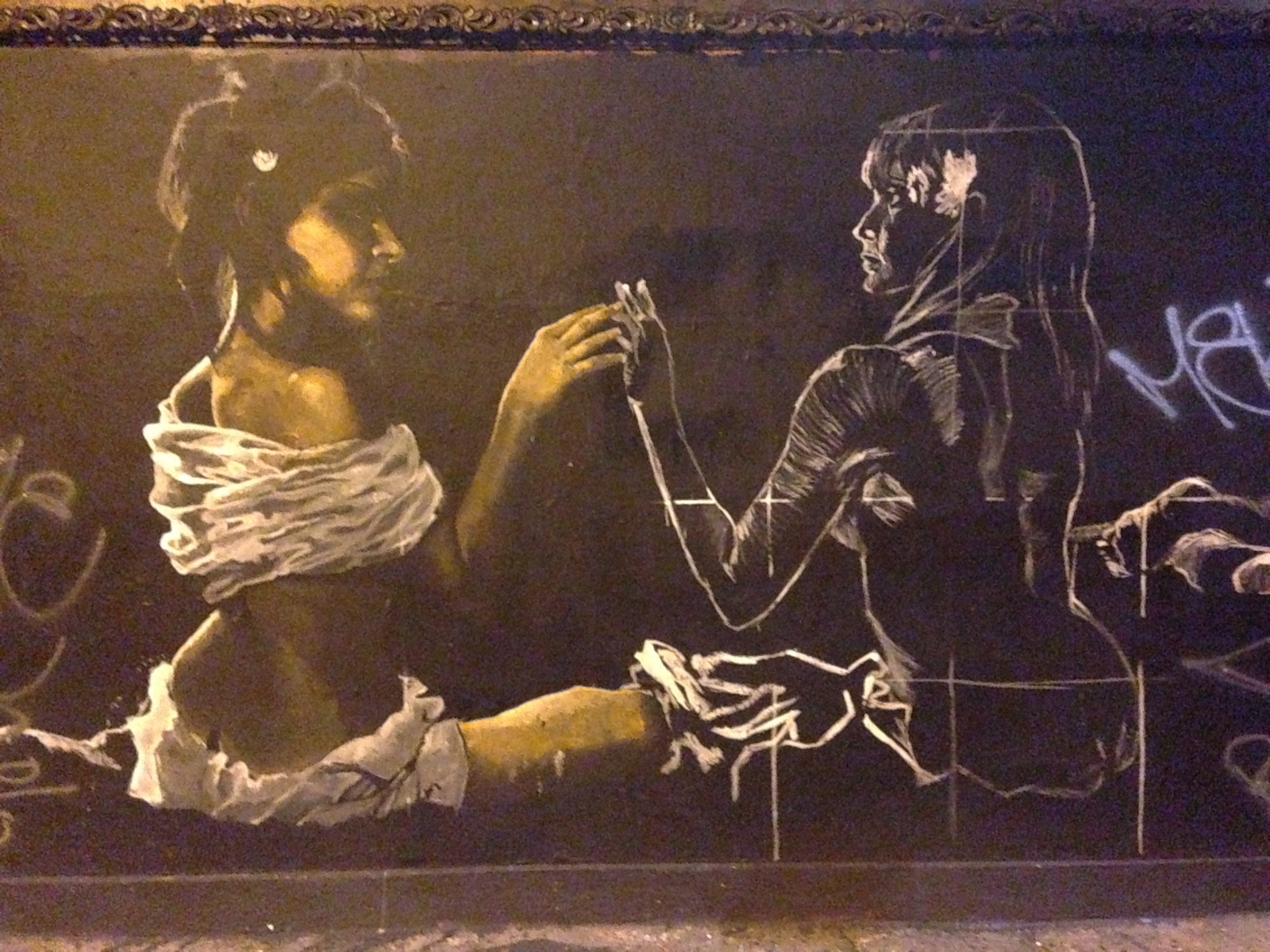
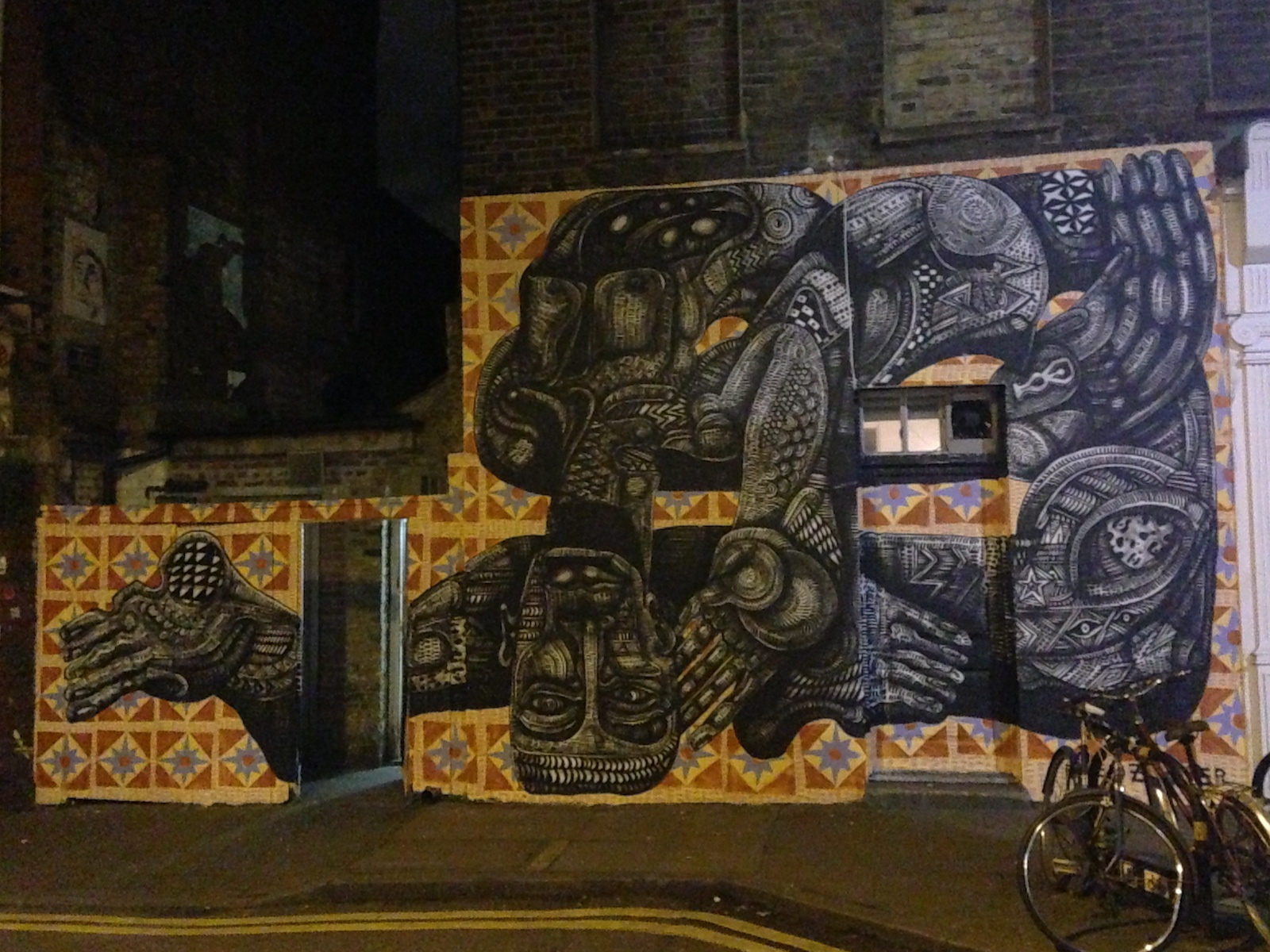

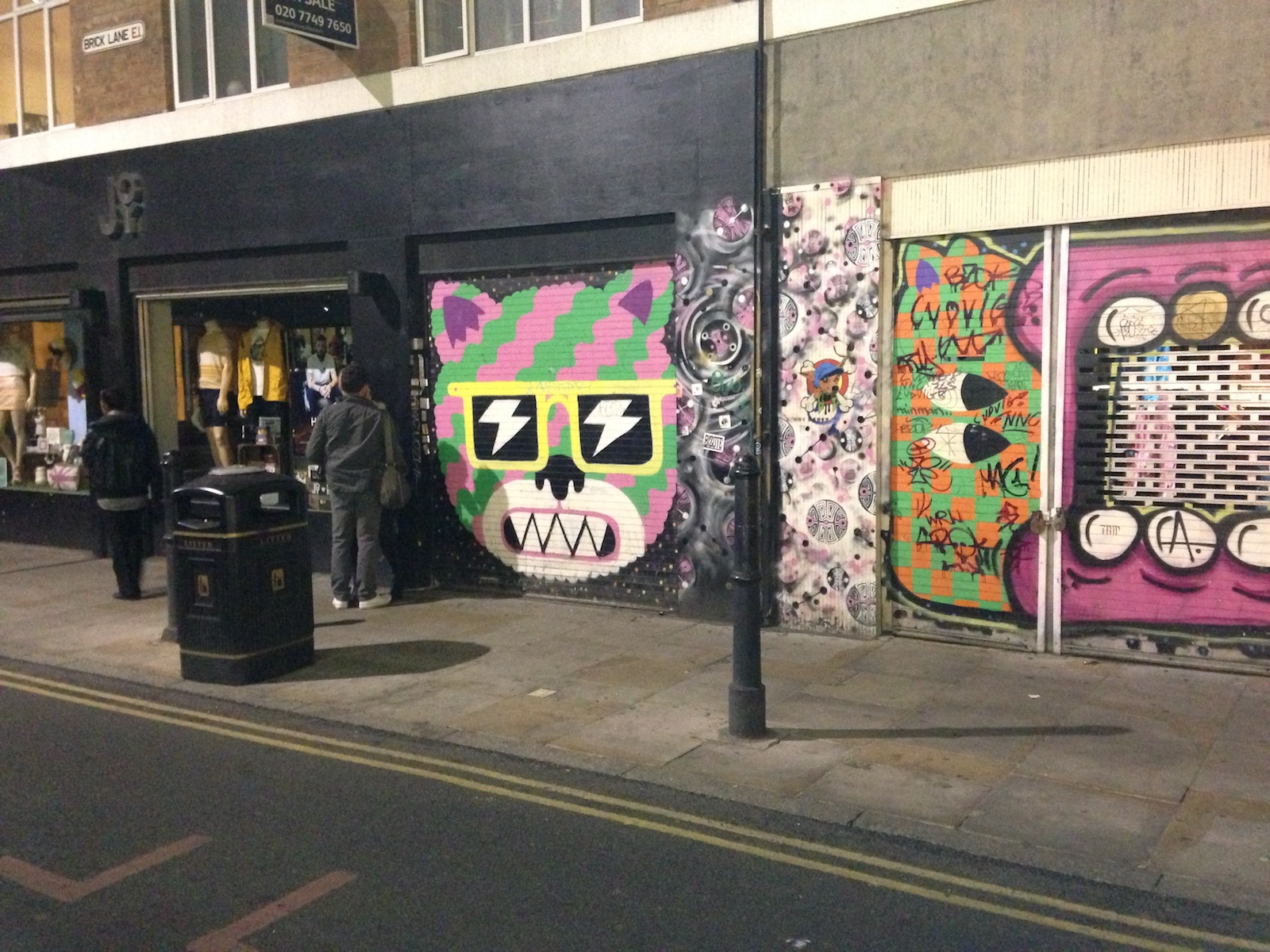
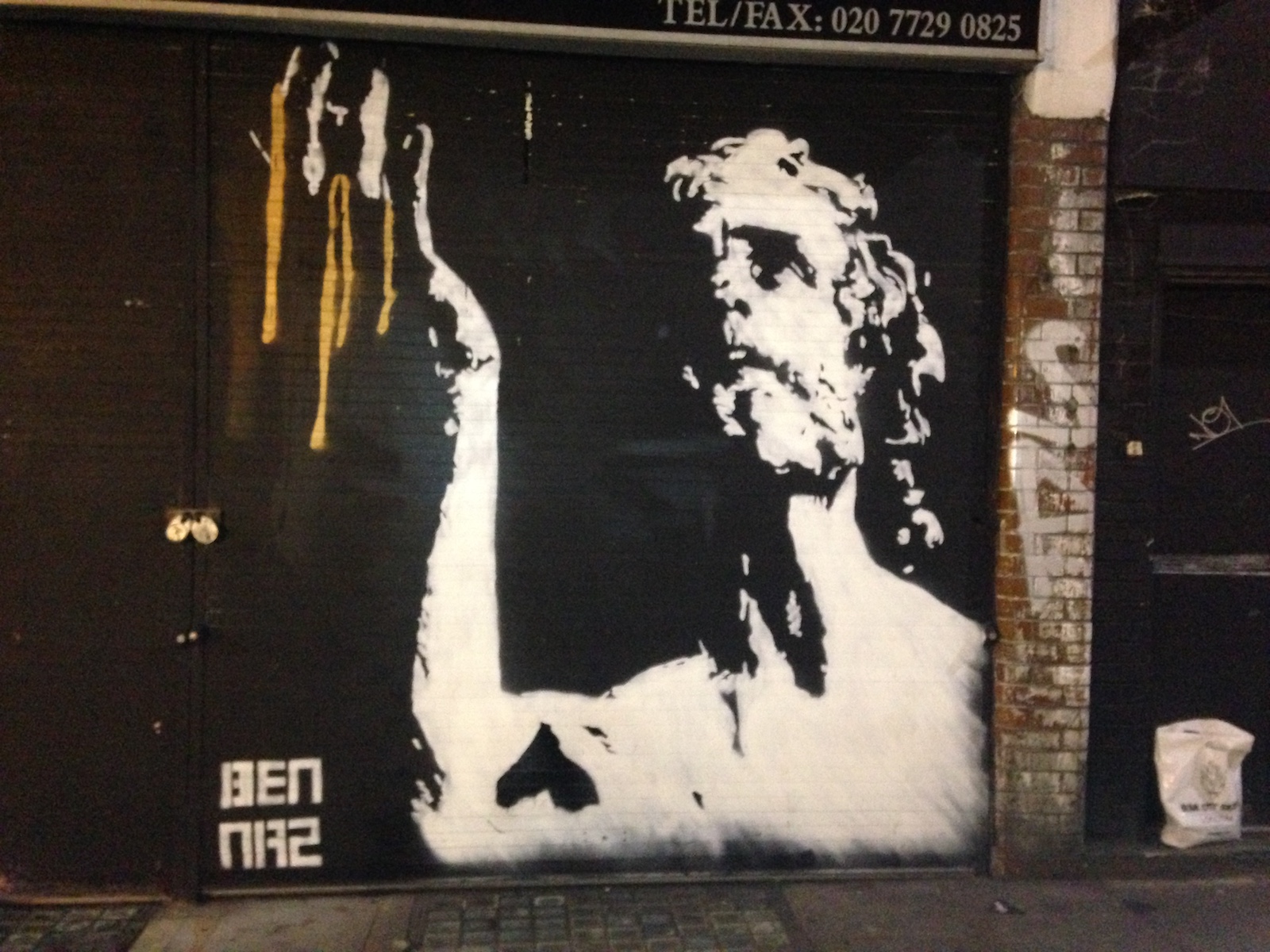

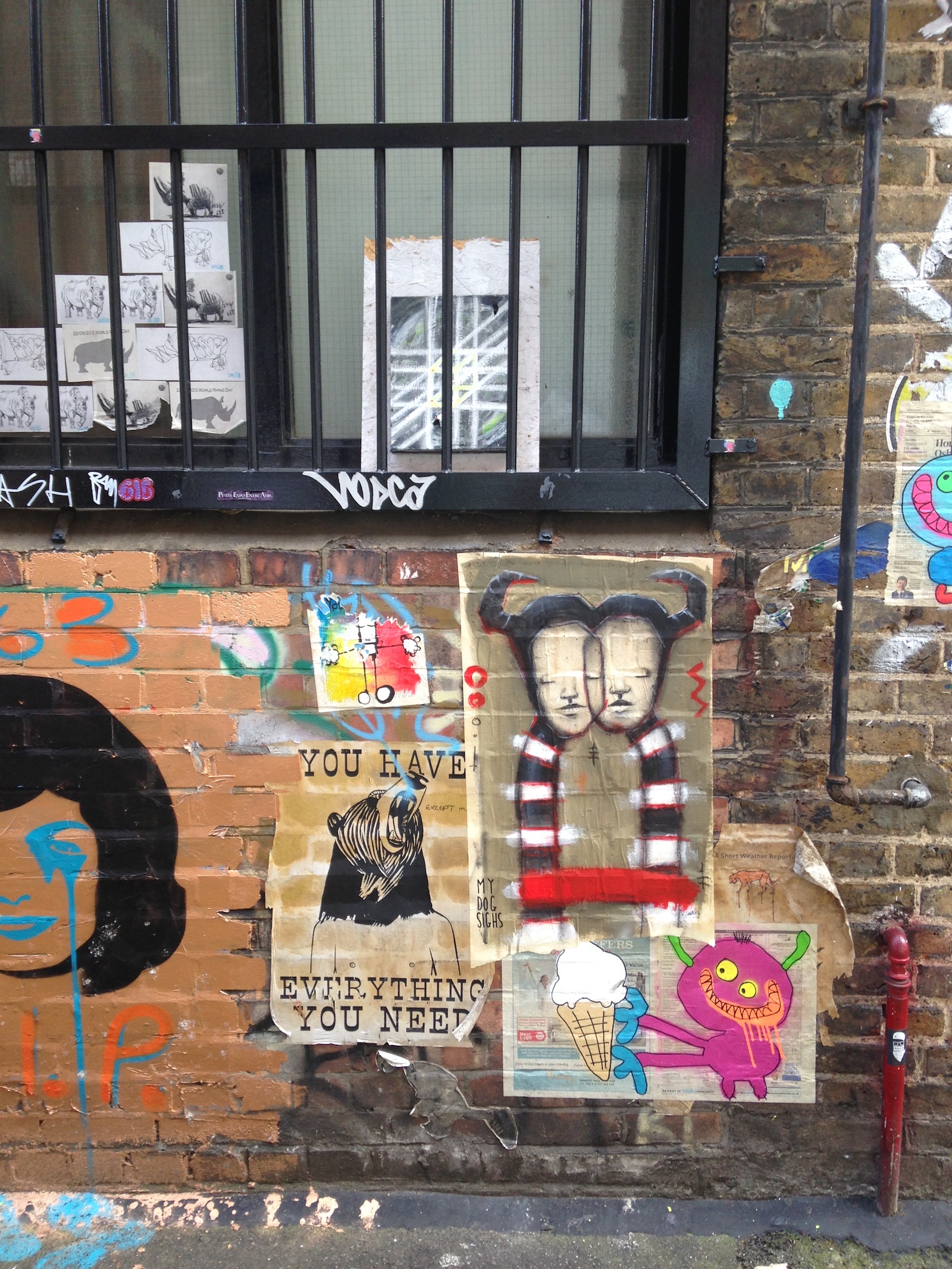
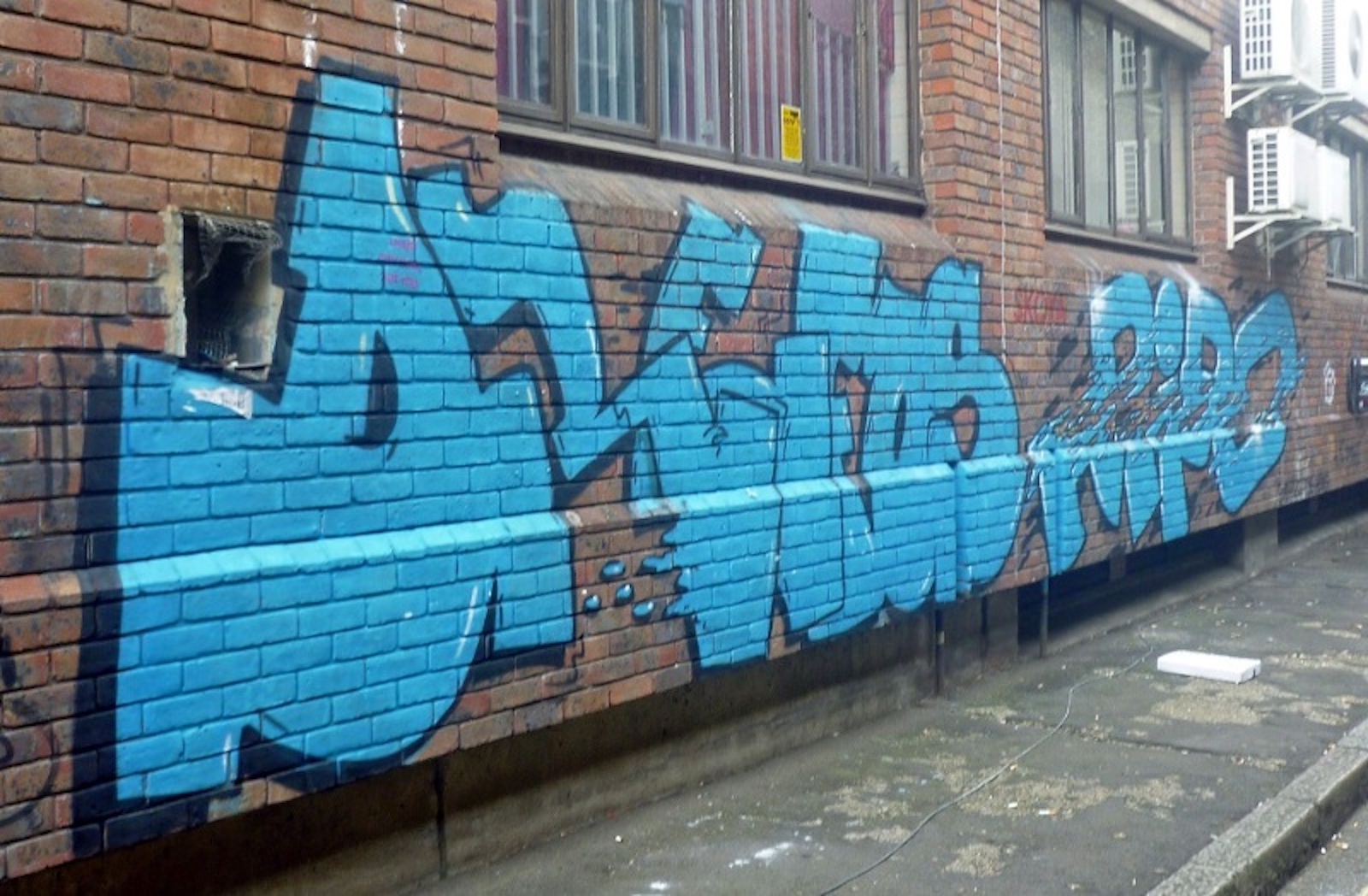
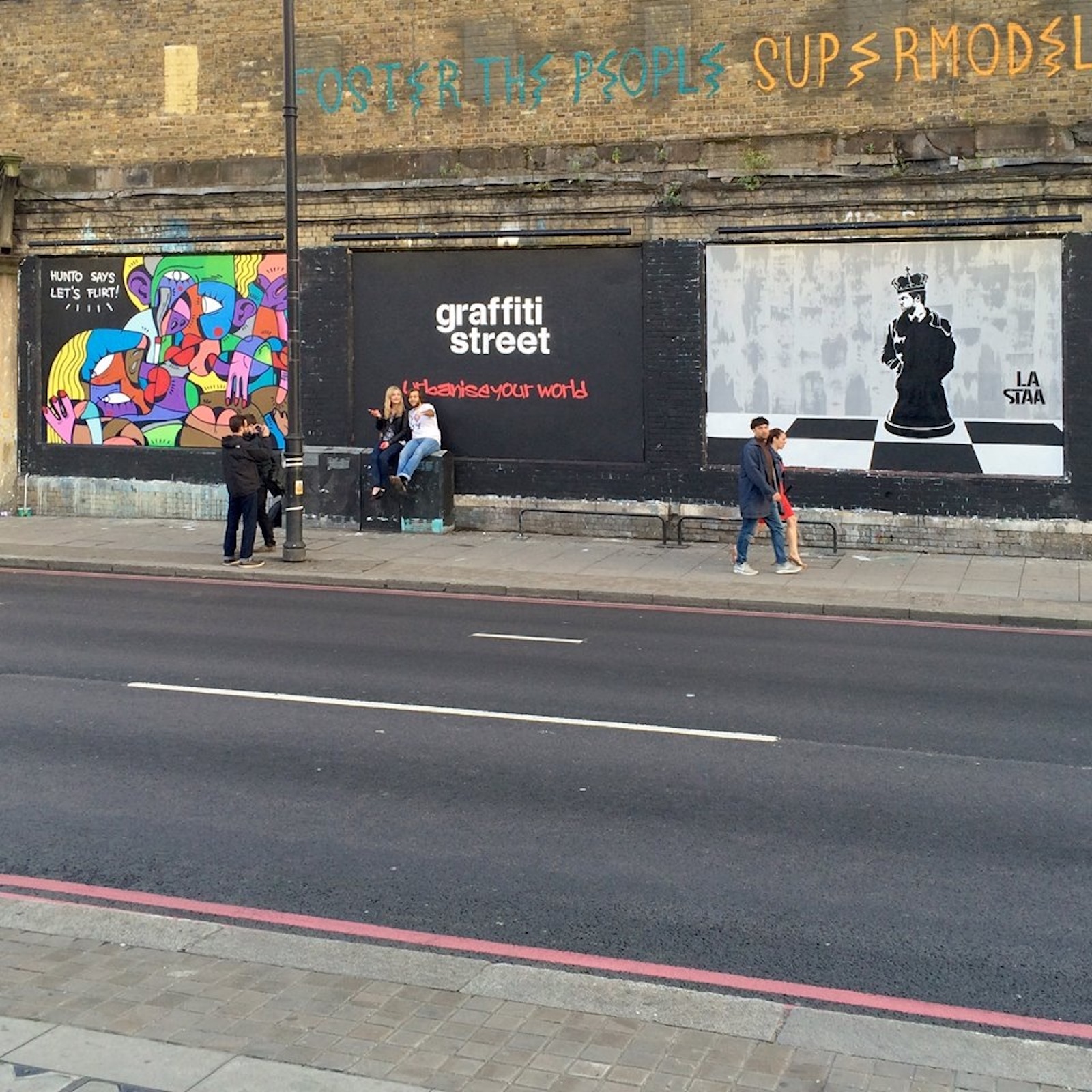


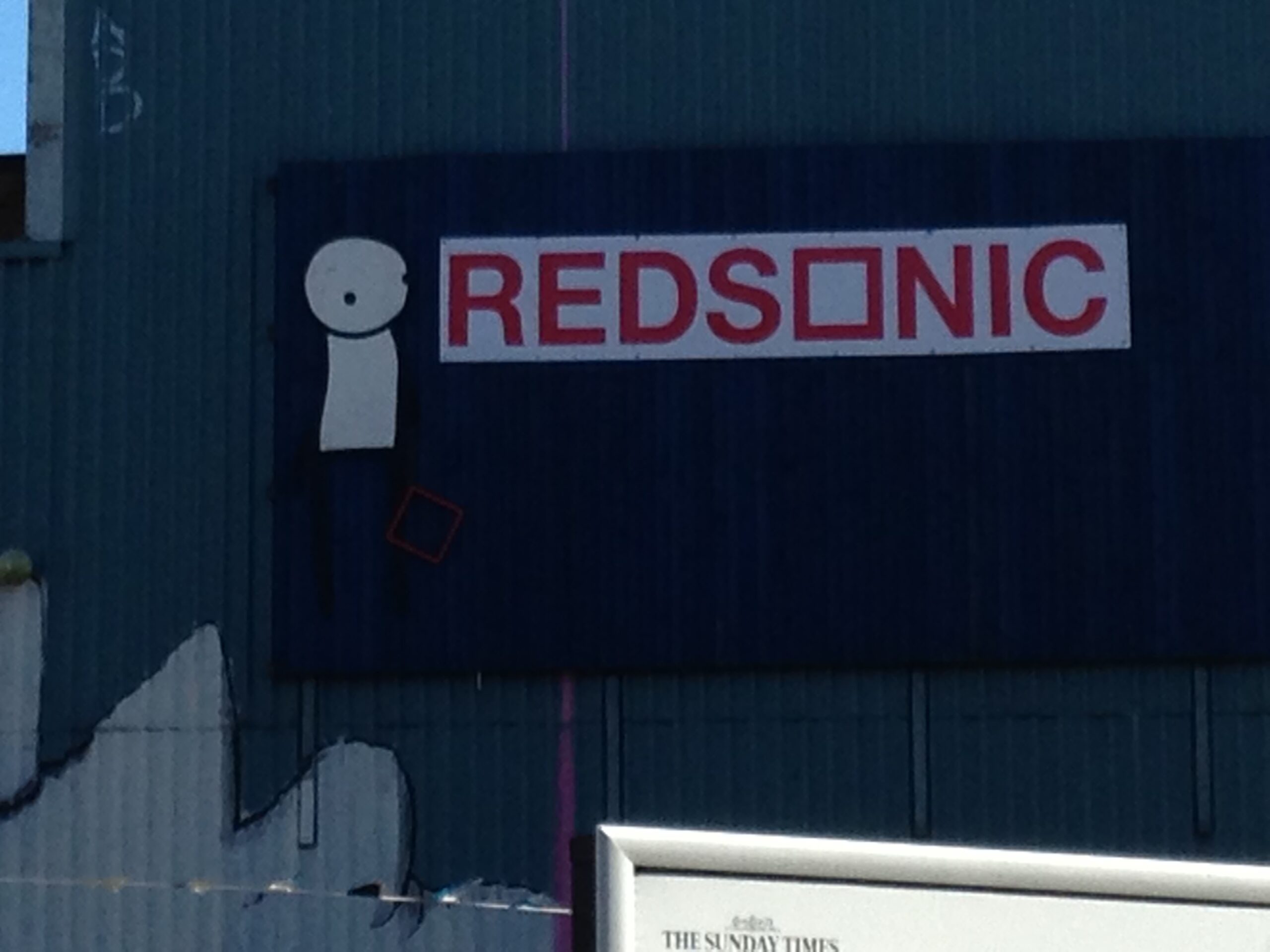


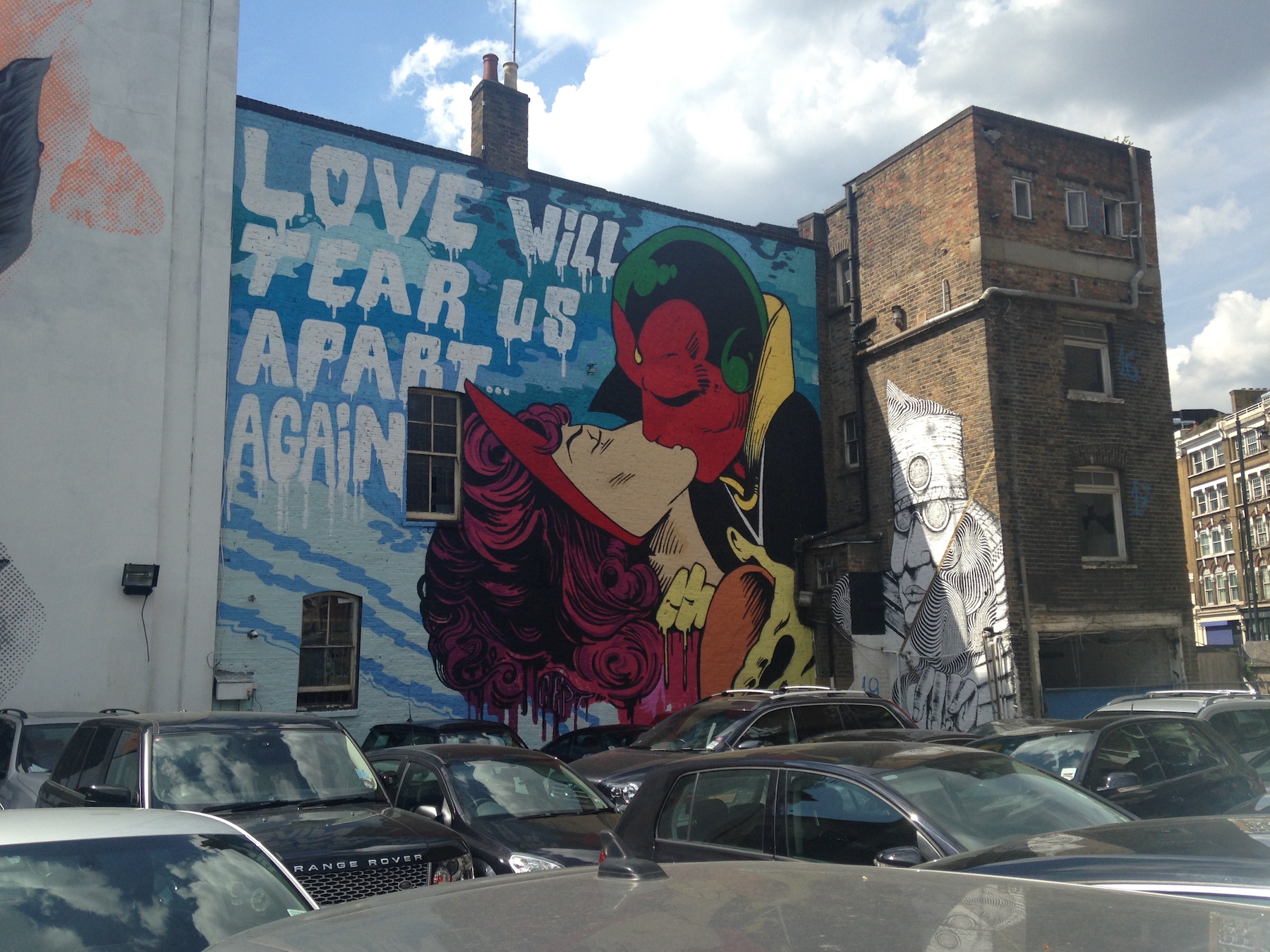
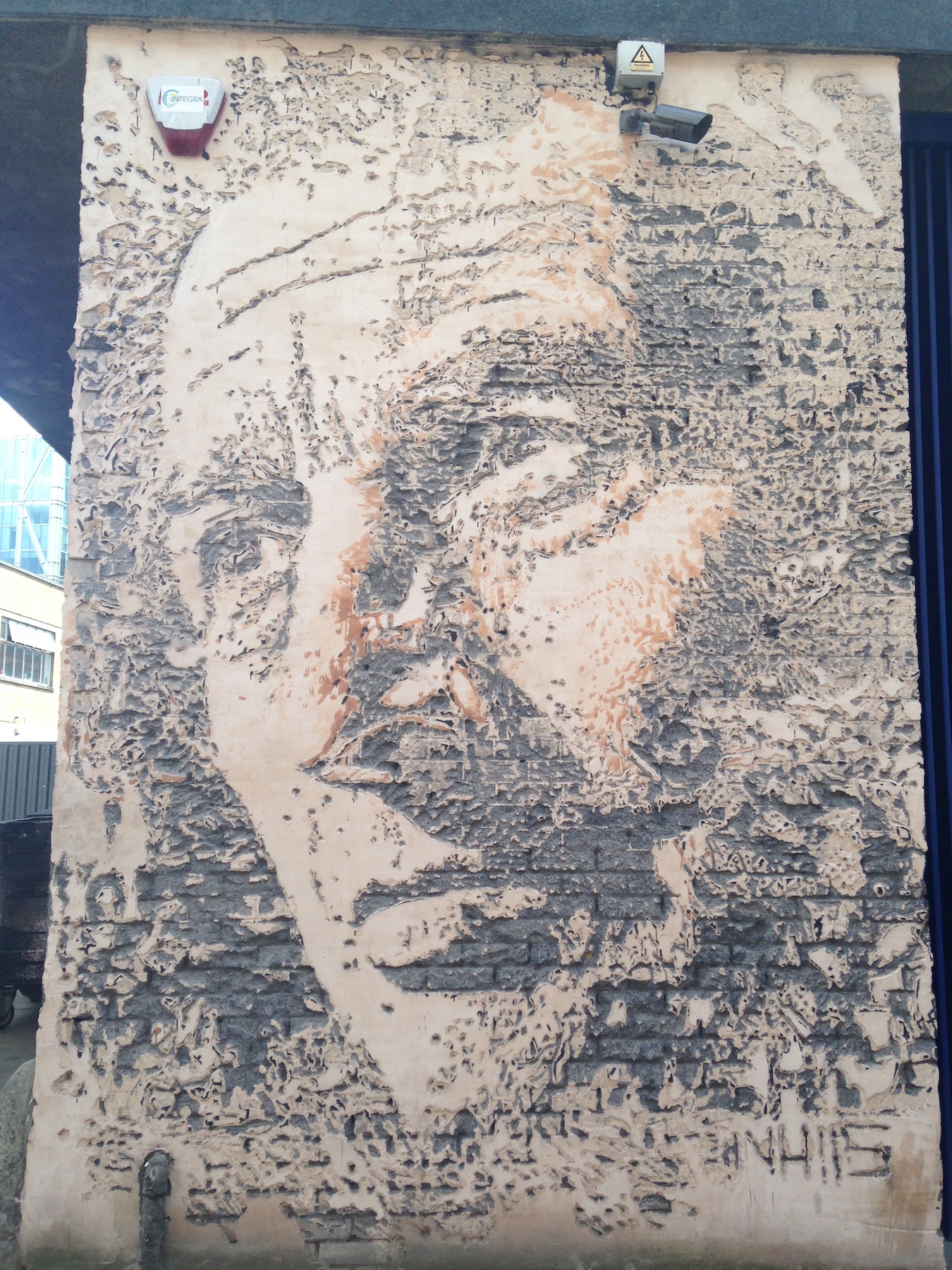
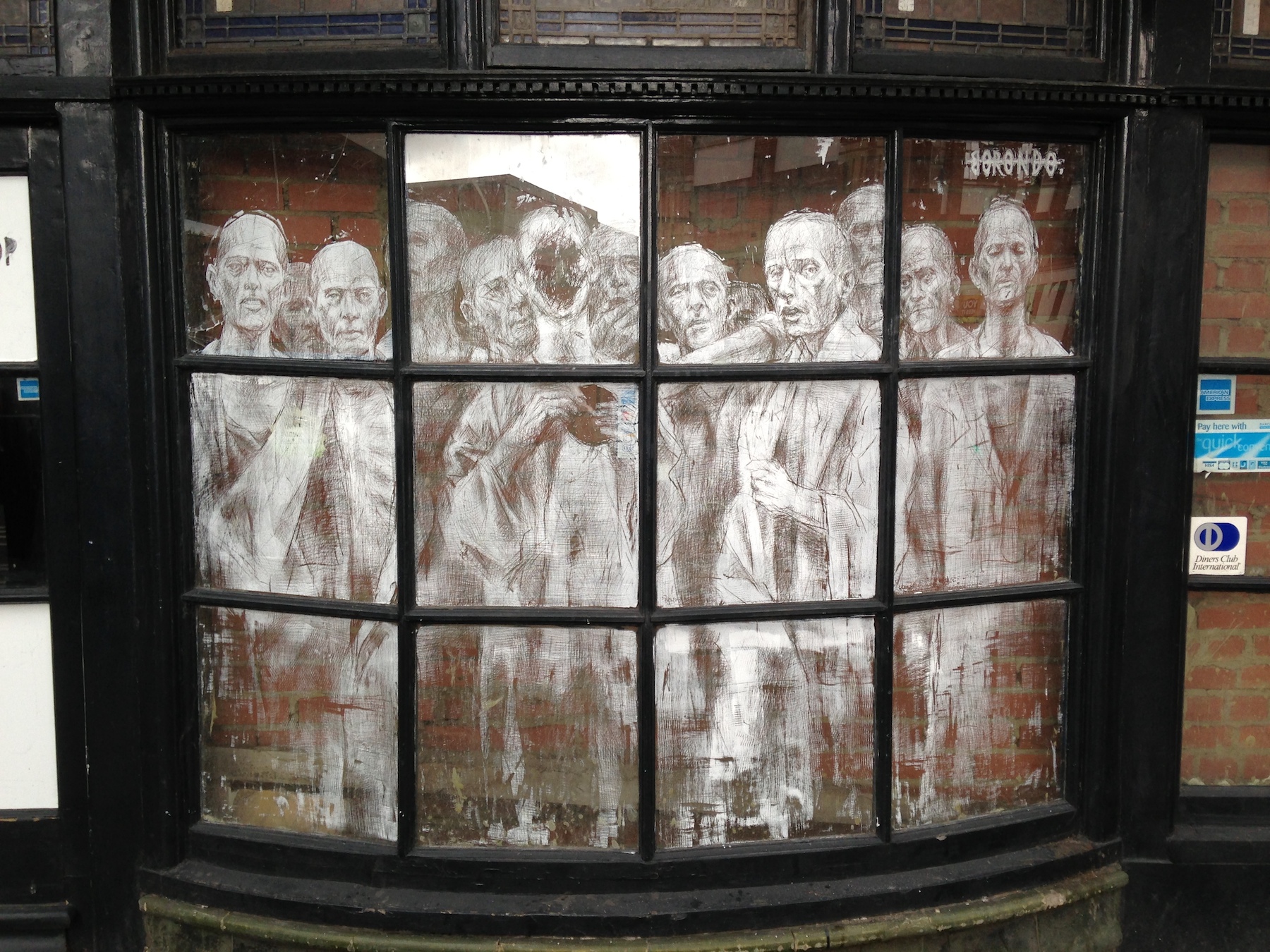
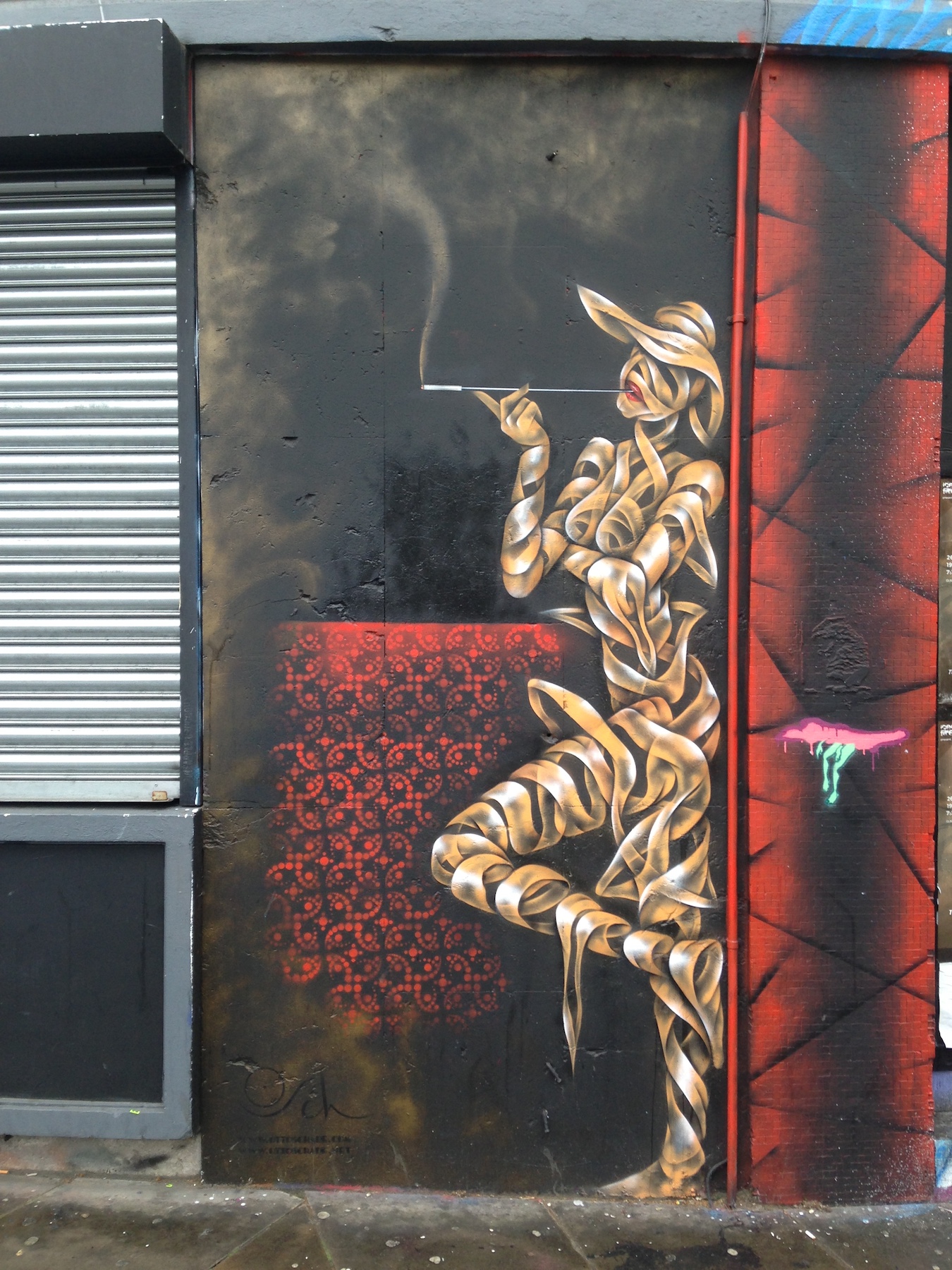


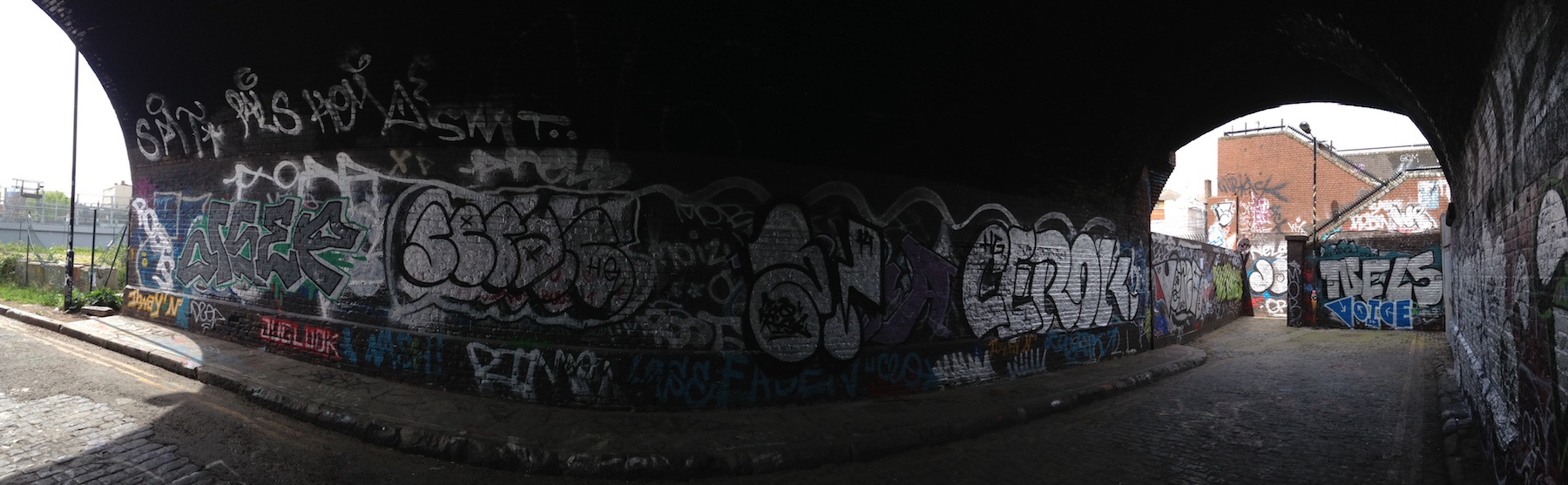

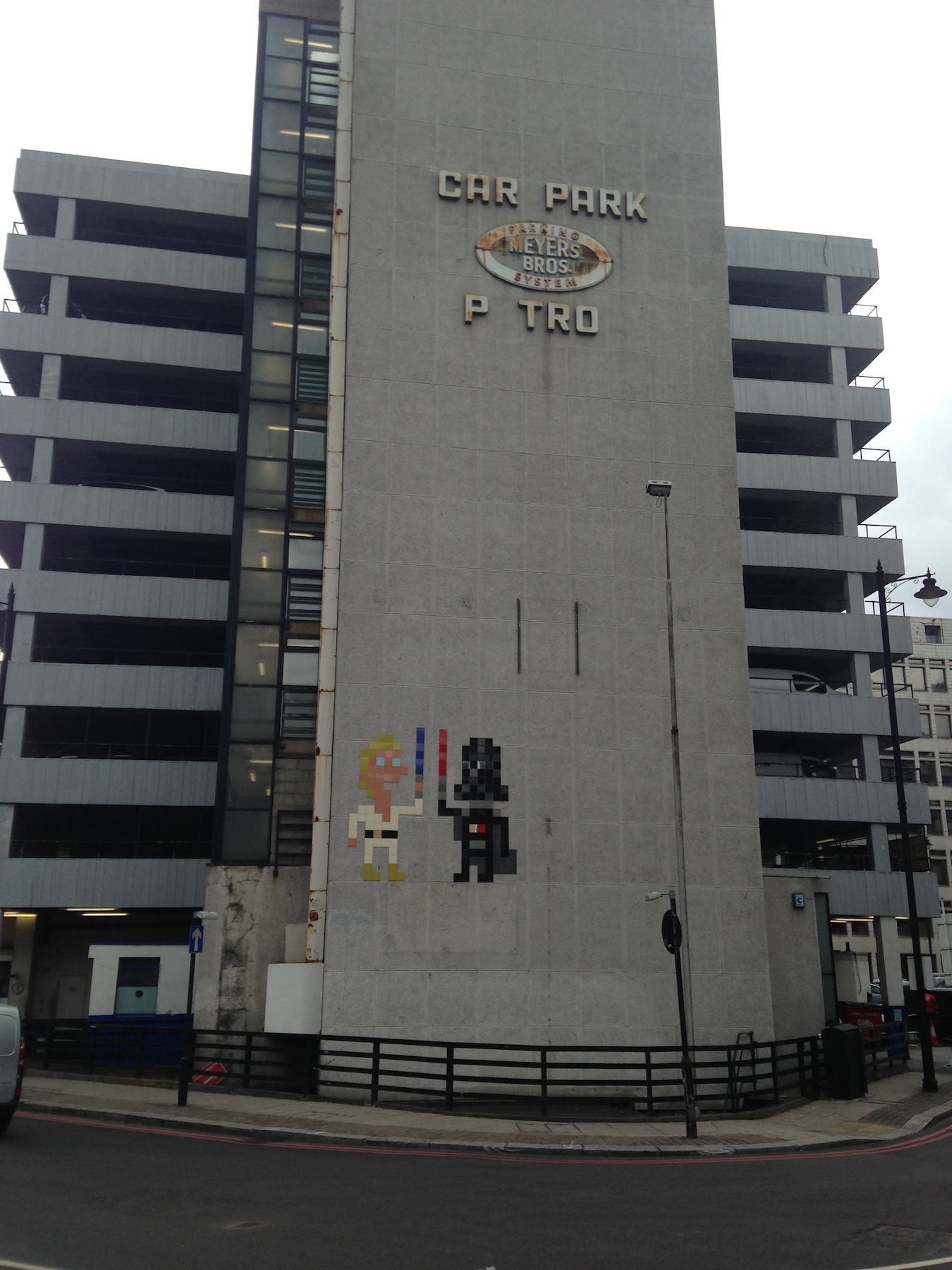
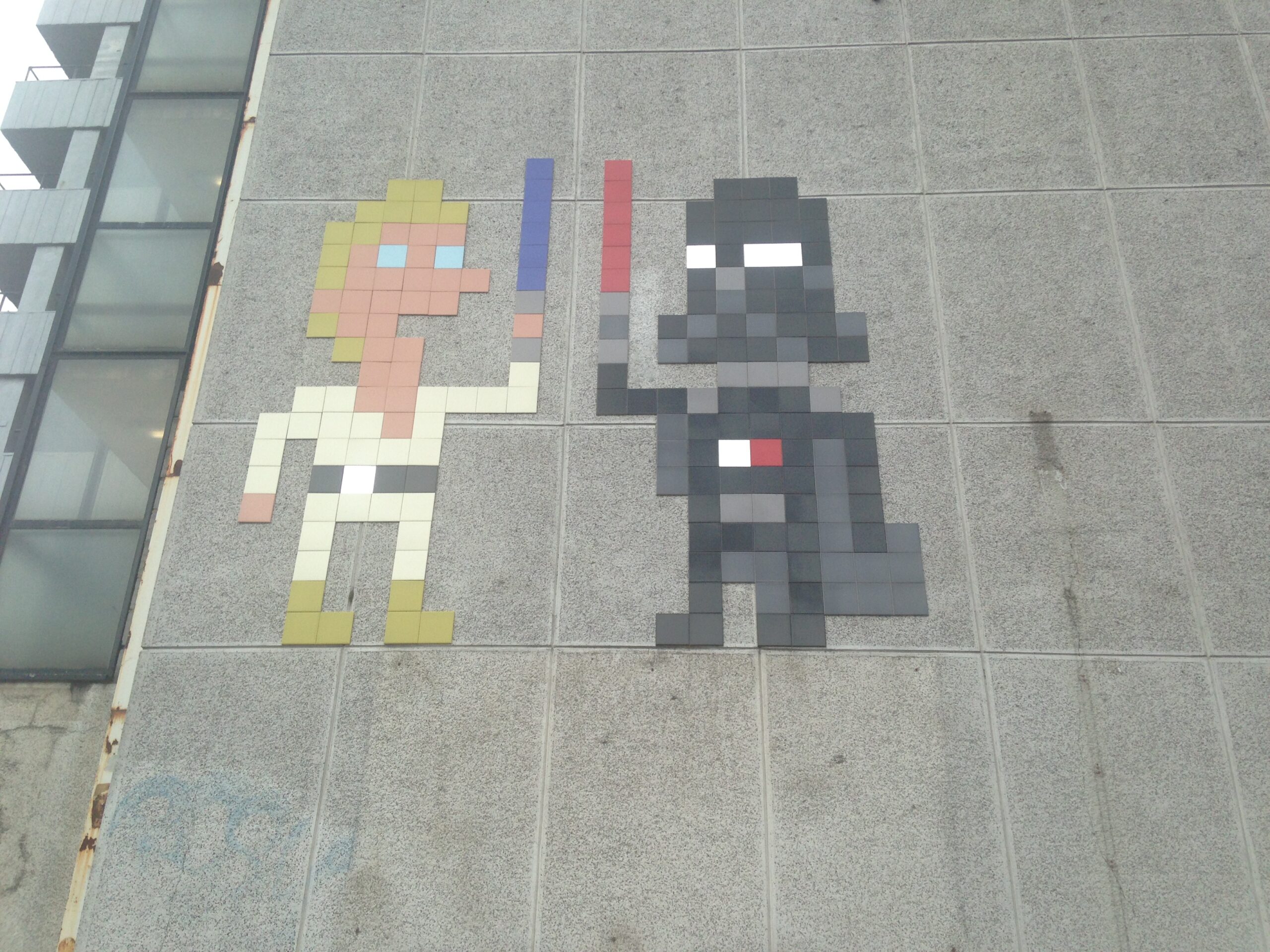
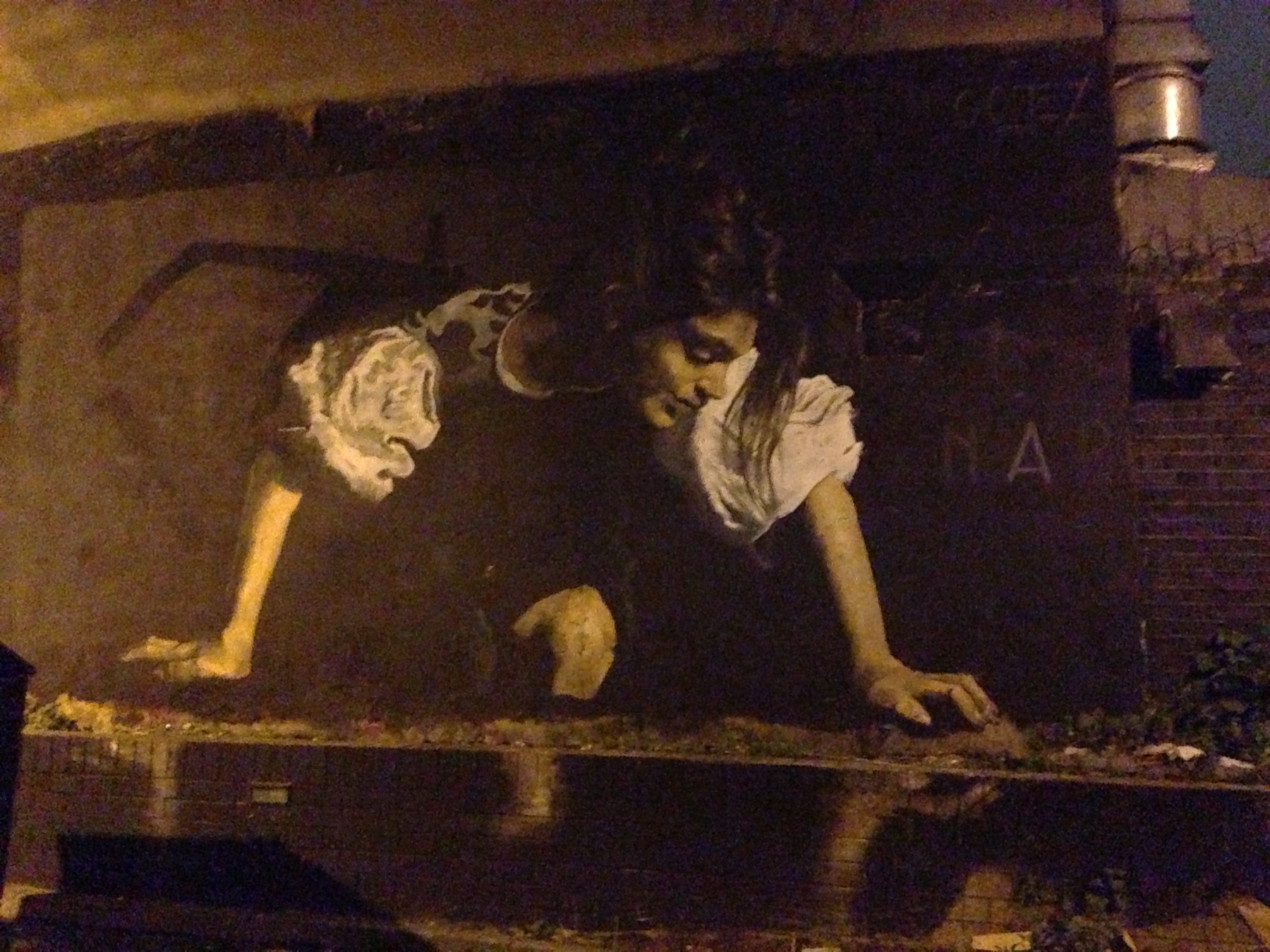

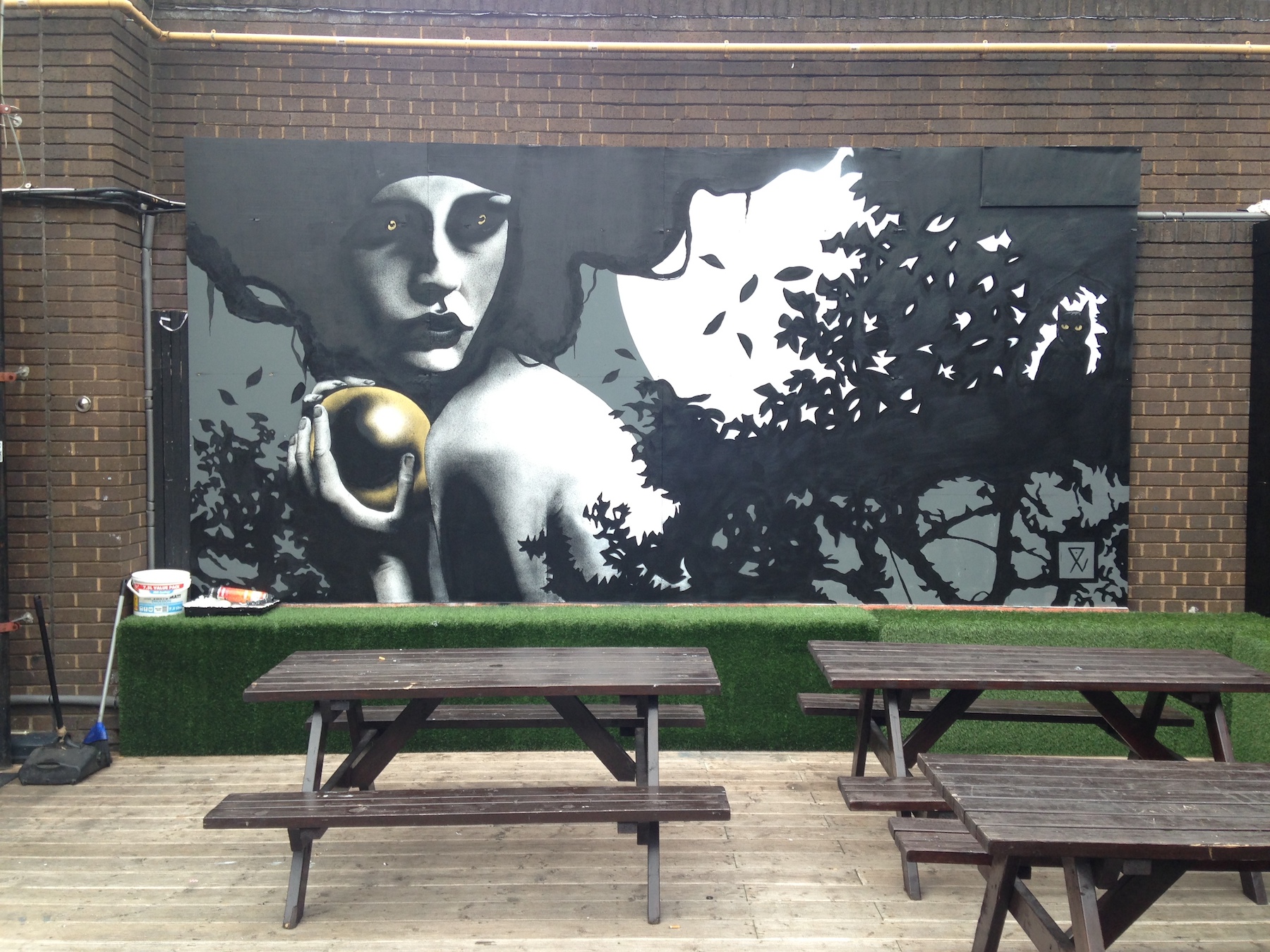
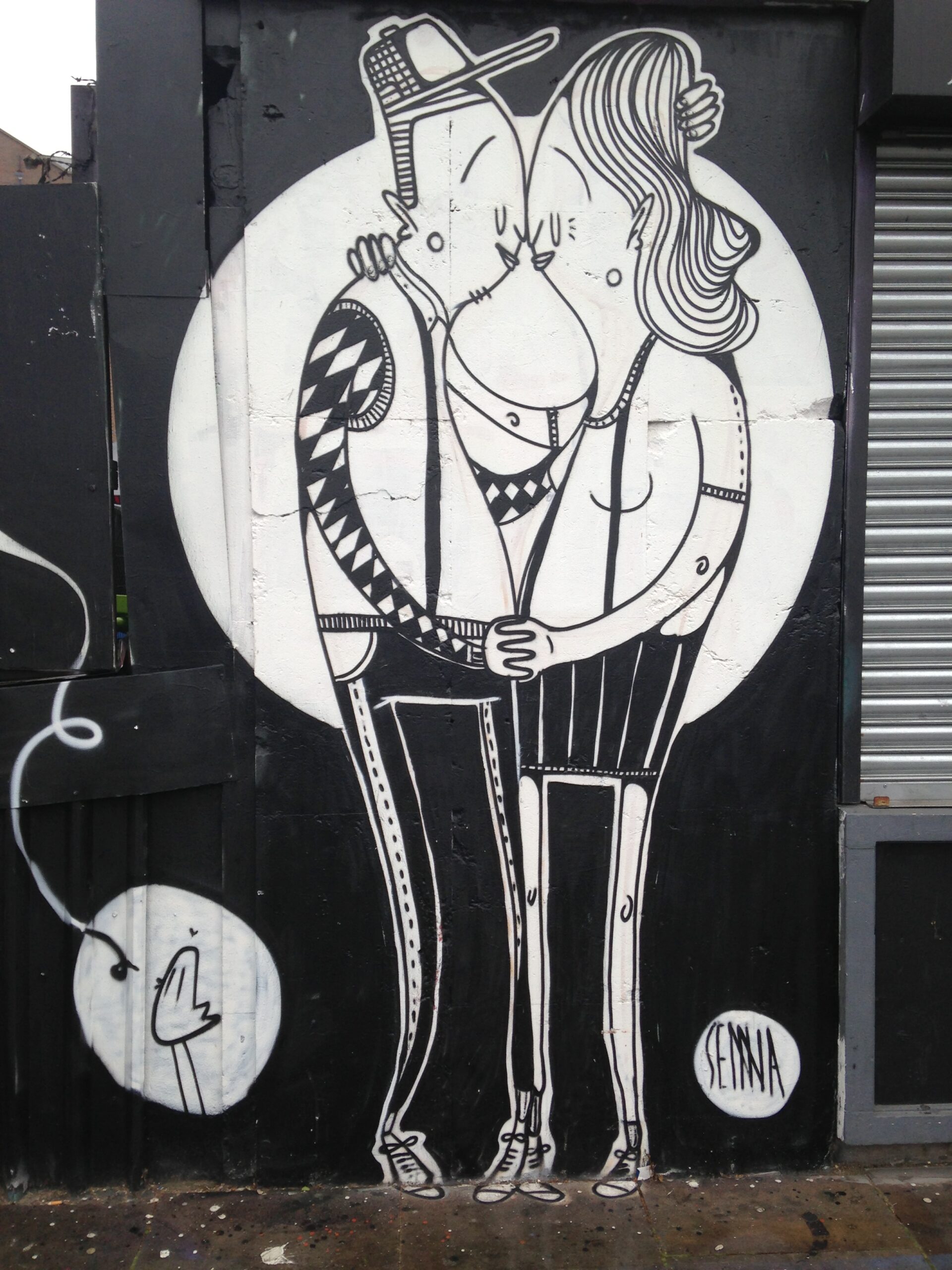
All photographs © GraffitiStreet ARR, 2013–2014.
Bring the Street Home
Street art doesn’t have to stay on the wall. At GraffitiStreet, we source and authenticate original prints and works by many of the artists shaping scenes like Shoreditch’s, from established names to the next generation coming through. Browse the current collection or get in touch if you’re looking for a specific piece or artist.
Note: because Shoreditch’s street art changes constantly, pieces are painted over, removed, or replaced within weeks or months, this collection is a historical record of the scene at that time, not a current guide to what’s on the walls today.