Street Artist in the Spotlight: Bisser
Belgian artist Bisser has created an imaginative world of elongated figures, peculiar animals and curious hybrid creatures that move freely between walls, paintings and ceramic sculpture. Based in Leuven, Belgium, his practice developed from graffiti and animation, but has continually evolved through drawing, muralism and increasingly ambitious three-dimensional work.

There is humour throughout Bisser’s work, yet his characters often carry something more introspective. They climb, gather, sleep and interact with their surroundings, giving even his strangest creatures a surprisingly human presence.

An Imagined World on the Street
Bisser began drawing from an early age before discovering graffiti through his older brother. While studying animation in Ghent, his work gradually moved away from conventional lettering as characters, animals and invented figures became increasingly central to his visual language.
That background in animation remains visible in the way his murals unfold. Individual figures rarely feel isolated; they appear caught within a larger narrative, as though something has happened immediately before we encounter them and something else is about to follow.


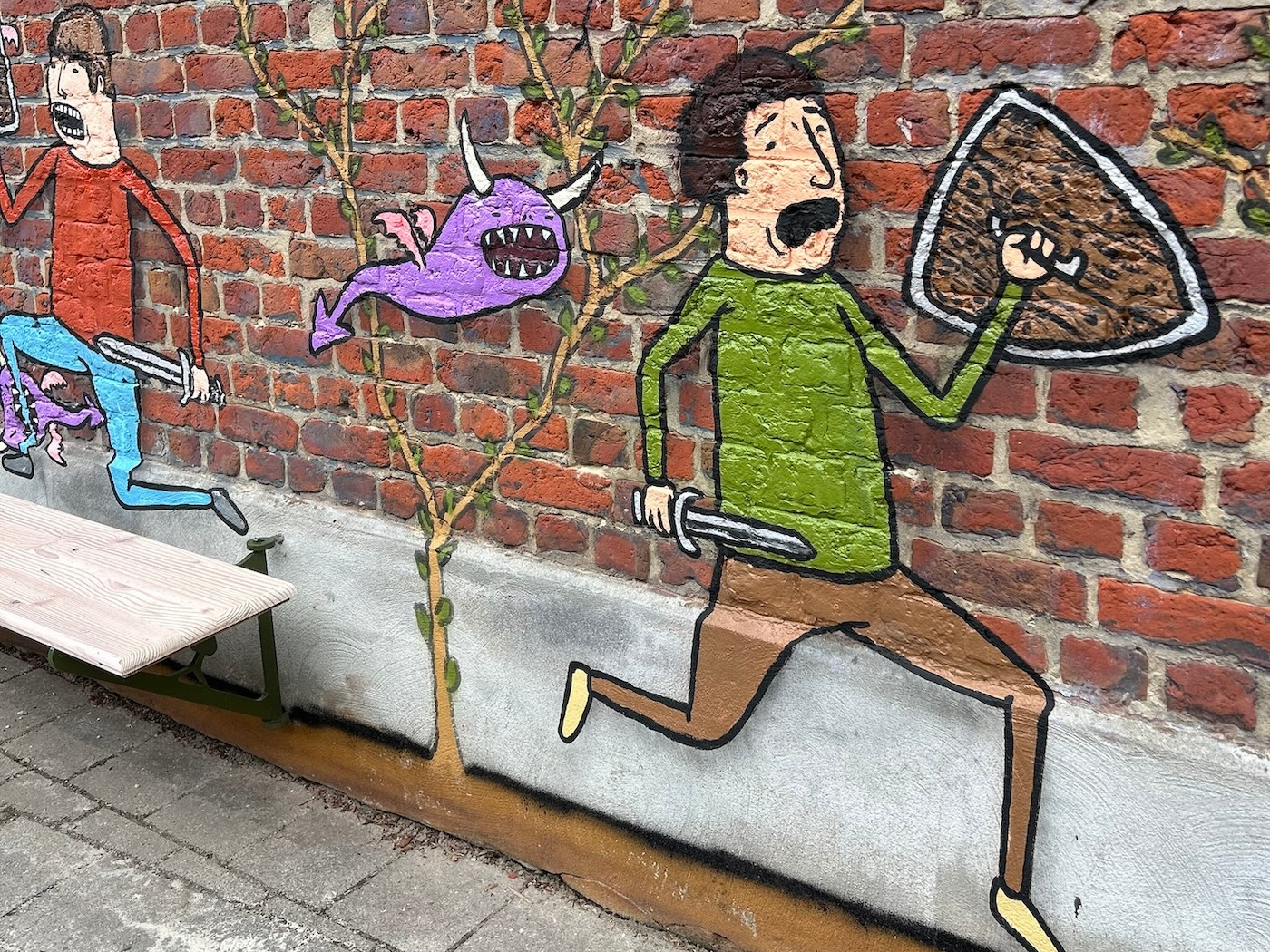
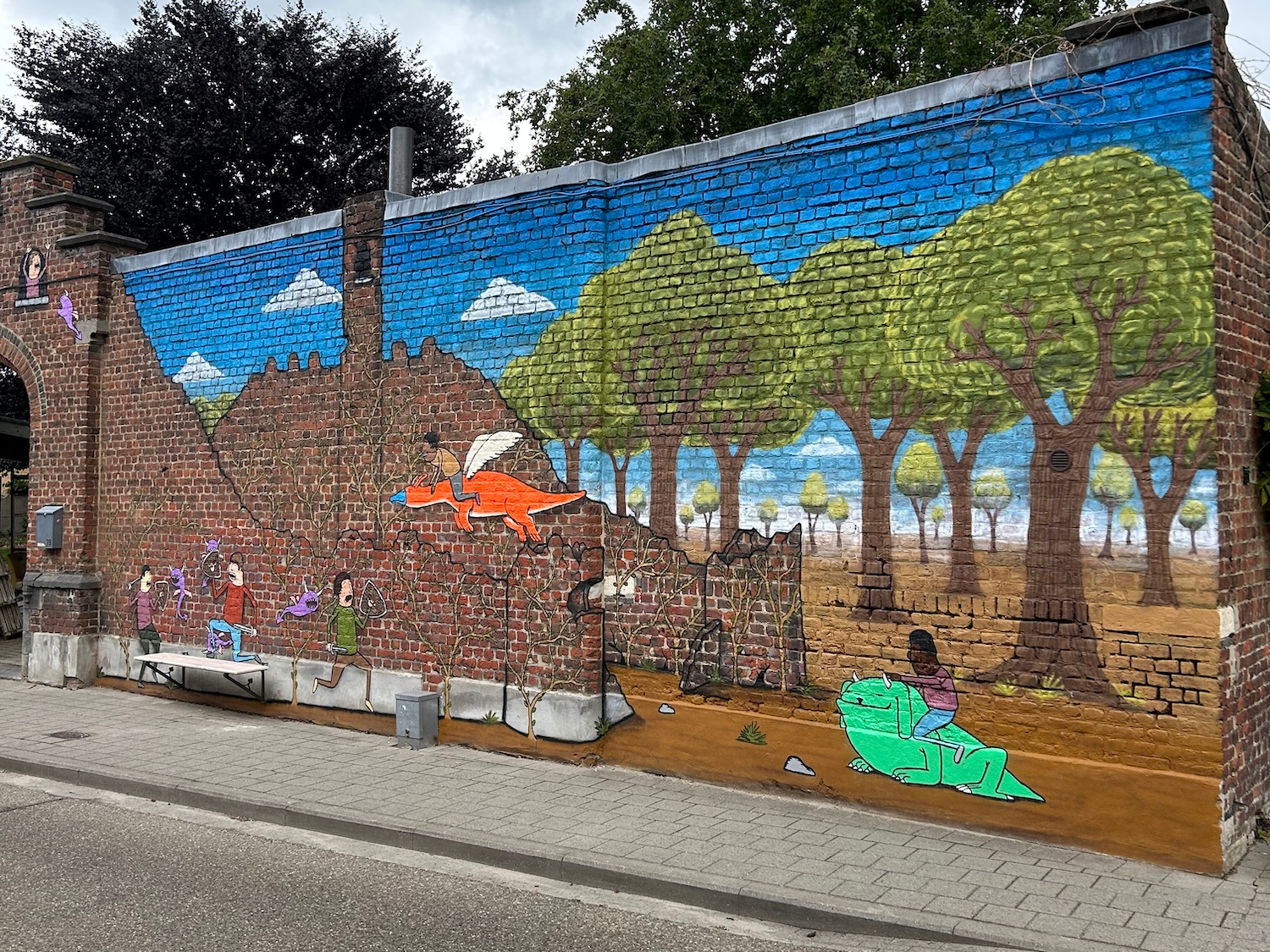
Architecture often becomes part of that story. Bisser responds to chimneys, windows, brickwork and irregular surfaces rather than simply covering them, allowing the structure of a building to determine how a composition develops.
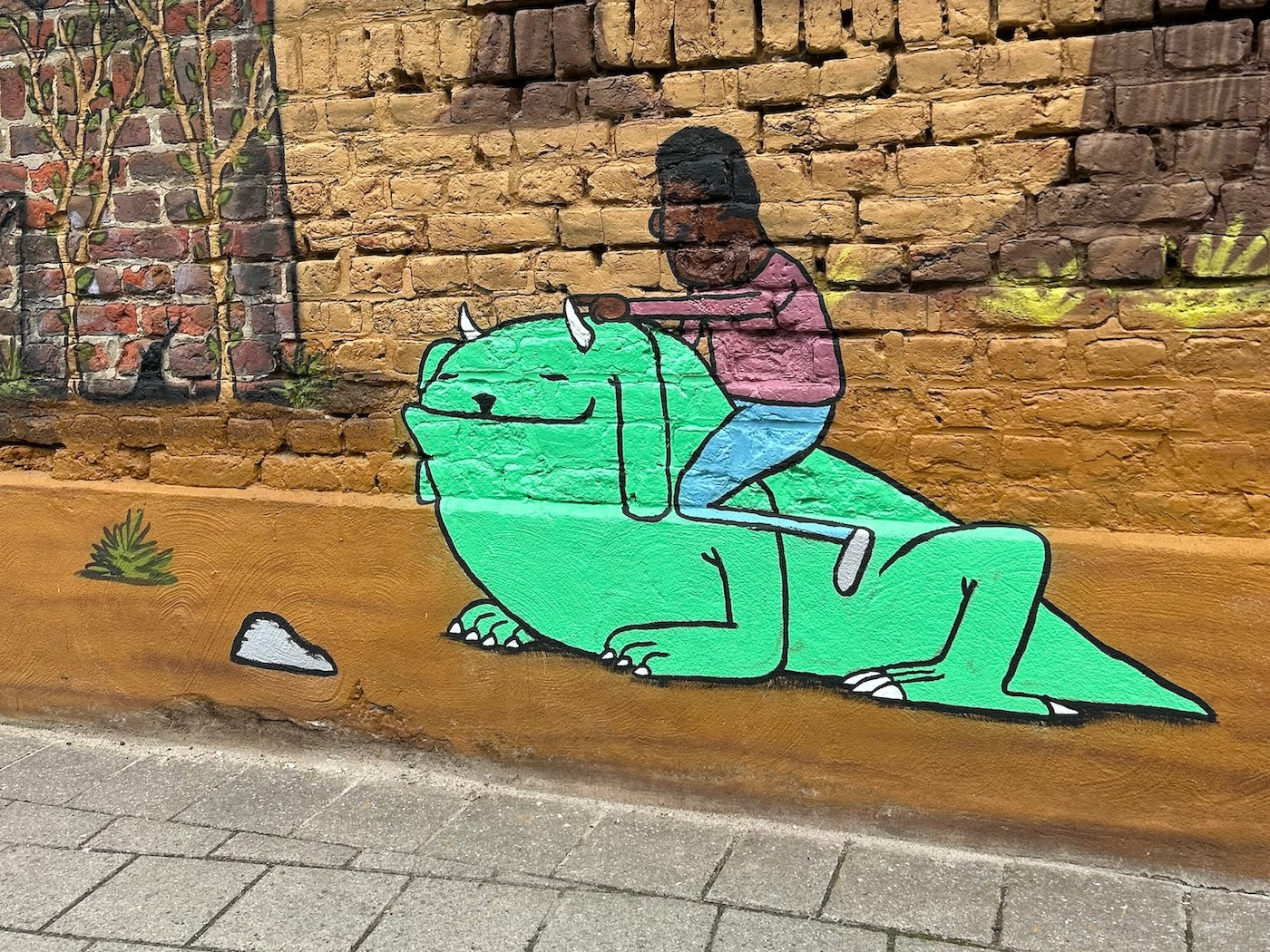
In Smoke Signal, painted in Leuven in 2016, a chimney became the catalyst for the entire mural. A decade later, his 2026 mural on Jozef Pierrestraat expanded that relationship with architecture across a historic wall, where painted openings, creatures and imaginary landscapes appeared to emerge from the weathered surface itself. Rather than imposing an image onto the building, Bisser allows the building to participate in the work.


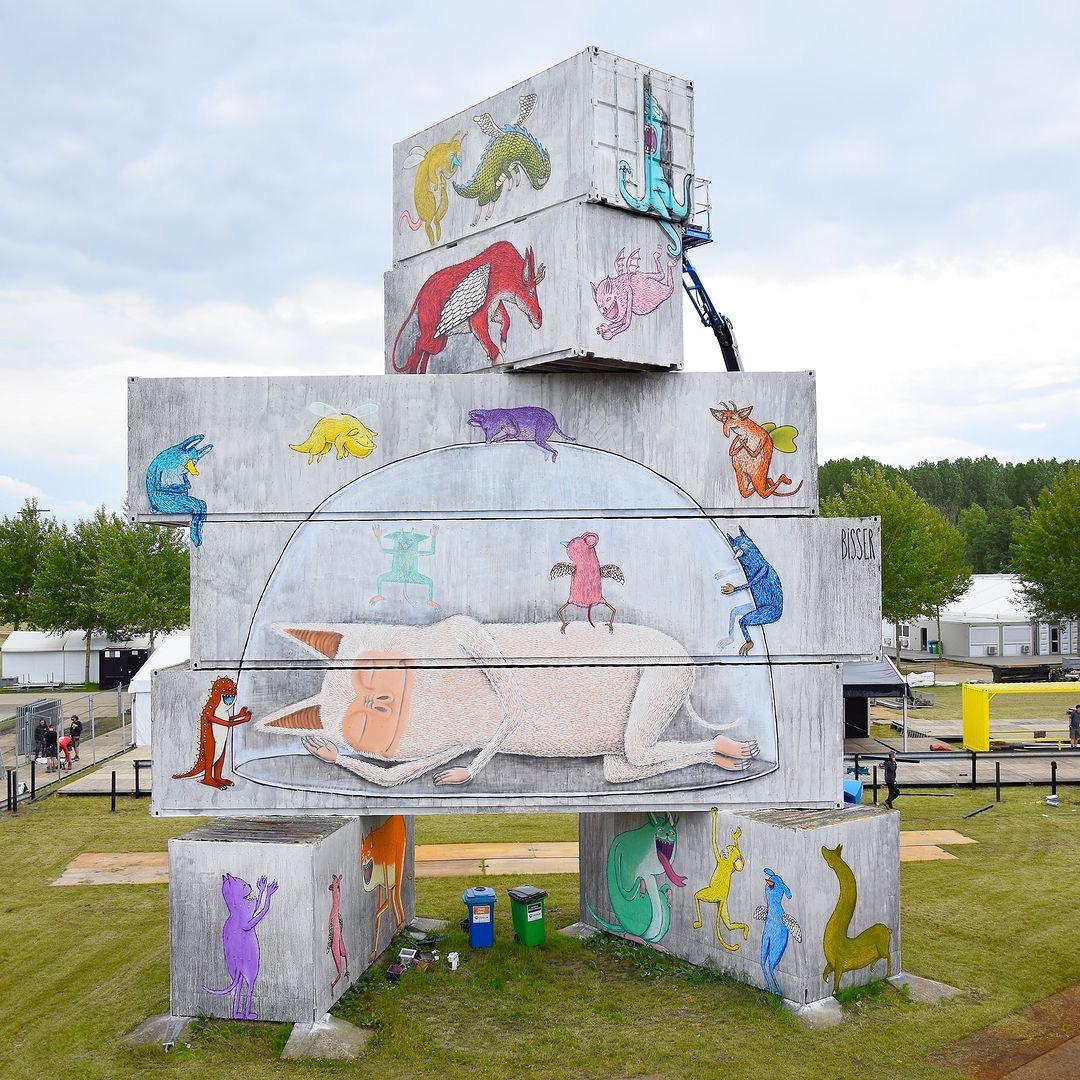
His storytelling has also become increasingly personal. At North West Walls for Rock Werchter in 2024, Bisser painted across seven shipping containers in celebration of becoming a father. His newborn son Titus appeared at the heart of the composition, surrounded by the strange and familiar inhabitants of Bisser’s imagined universe. Read more about Bisser’s Rock Werchter mural. The work revealed how easily his fictional world can absorb experiences drawn directly from life.

From the Wall Into Clay
The most significant evolution in Bisser’s recent practice has taken place away from the wall. After experimenting with three-dimensional forms, he began working seriously with ceramics in 2022, teaching himself how to construct, hollow, fire and glaze clay while retaining the spontaneity that had always shaped his drawing and street work.


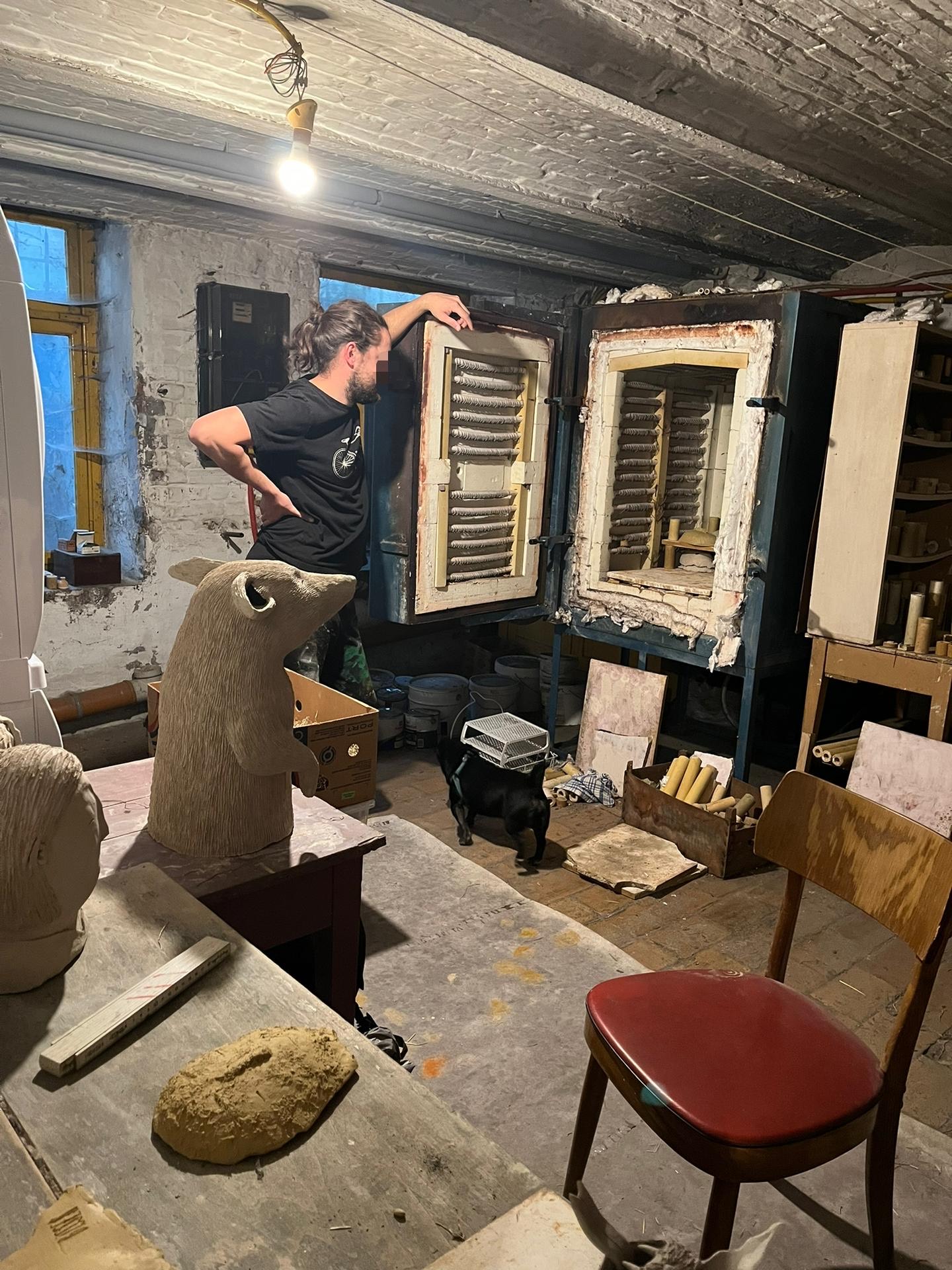
In our Interview with Bisser: Embracing the Unknown of Ceramics, he described an intuitive process in which the sculpture often develops directly through the act of making rather than from a predetermined drawing.


That freedom is important. Once translated into clay, his creatures acquire a different kind of presence. Their exaggerated limbs, awkward postures and strange expressions can now be encountered from every angle, turning characters previously contained within an image into physical beings occupying the same space as the viewer.


Works such as Come Together, composed of 70 individual ceramic figures, extend that idea further. Rather than presenting a single sculpture, Bisser creates a gathering, an entire community of independent characters whose relationships shift depending on how they are arranged and viewed.


Discover Bisser’s Ceramics. Available at GraffitiStreet.
Bisser’s Ceramics Return to the Street
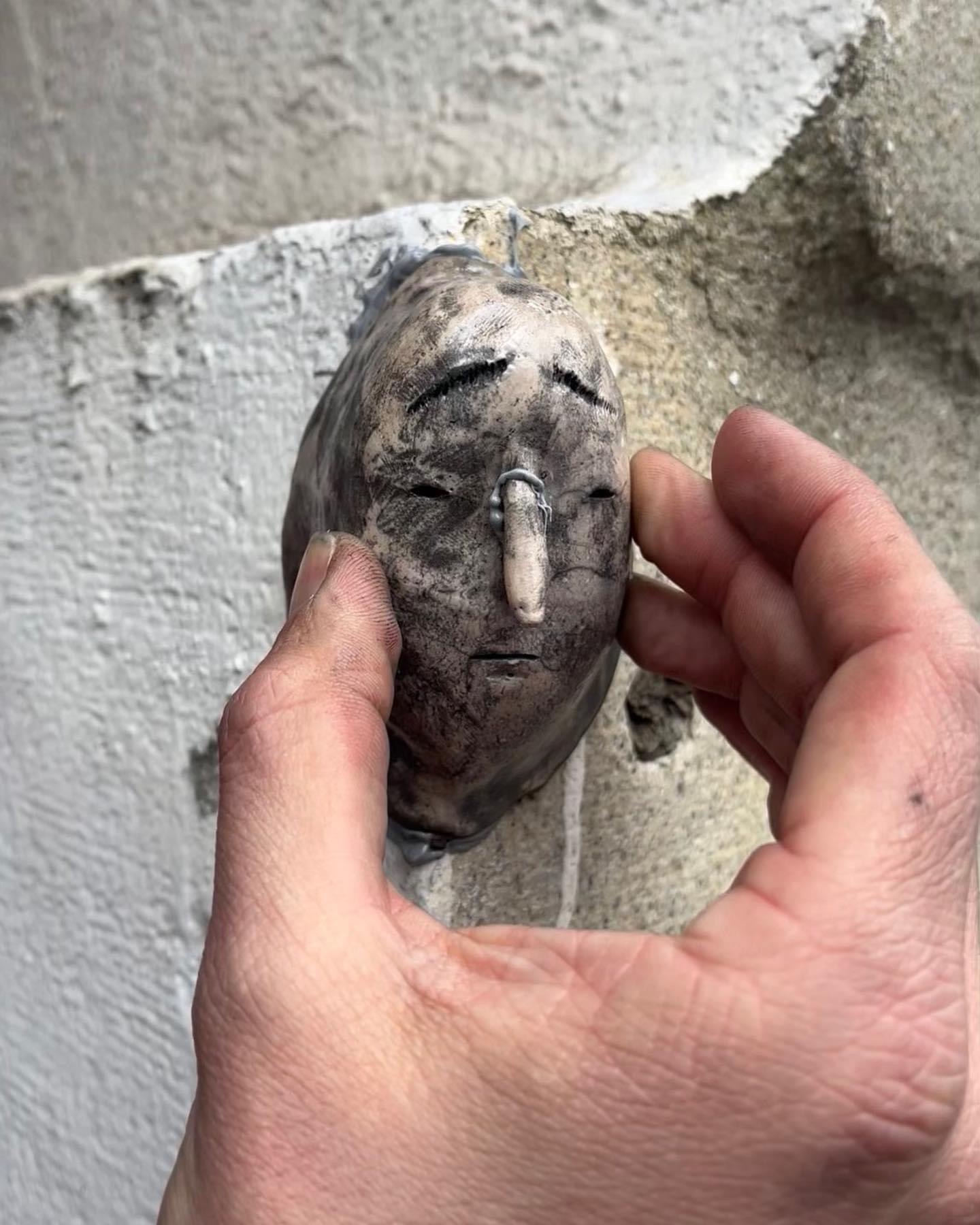
Perhaps inevitably, those sculptures eventually found their way back outside. Bisser began placing small glazed ceramic figures directly onto urban architecture, allowing them to appear unexpectedly on walls and buildings in Brussels, New York, Philadelphia, Richmond and New Orleans. GraffitiStreet explored this development in Ceramic Street Art: The Playful Creations of Belgian Artist Bisser, where the distinction between sculpture, intervention and street art begins to blur.
Placed within the city, the ceramics behave differently from objects encountered inside a gallery. A doorway becomes part of the composition, a wall becomes a landscape and the accidental discovery of a small figure becomes part of the experience. It brings Bisser’s practice neatly back to its origins: figures developed through graffiti and drawing move into physical form, before returning to the street as objects in their own right.




Discover Bisser’s Ceramics. Available at GraffitiStreet.
Bisser and GraffitiStreet
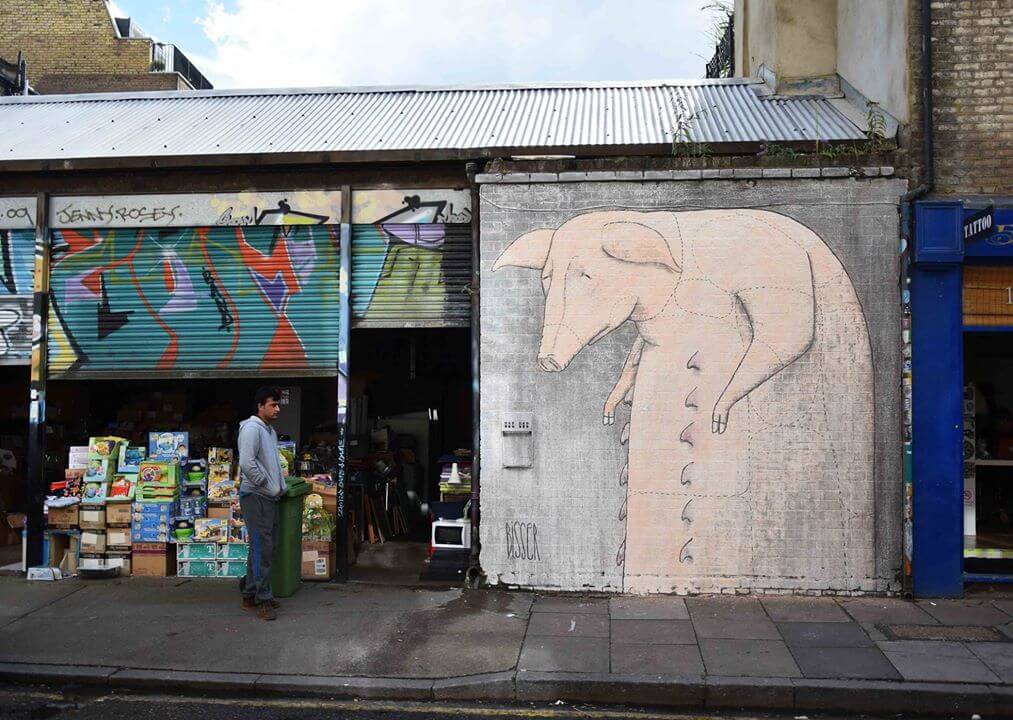
GraffitiStreet’s relationship with Bisser stretches back to our London launch in 2014, when his work formed part of the international group of artists around which the gallery first developed.
He returned for Underground 2015 and Underground 2016, exhibiting while continuing to paint across London. During Underground 2016, Bisser collaborated with Nils Westergard in Hoxton, bringing his eccentric characters into dialogue with Westergard’s monochrome figurative work.
Over the following decade, we have watched his practice expand from murals and paintings into a distinctive sculptural language. His ceramic works later returned to GraffitiStreet in Chichester, including the extensive gathering Come Together and subsequent works presented through the gallery programme. What has changed is the material. The world Bisser has built remains unmistakably his own.

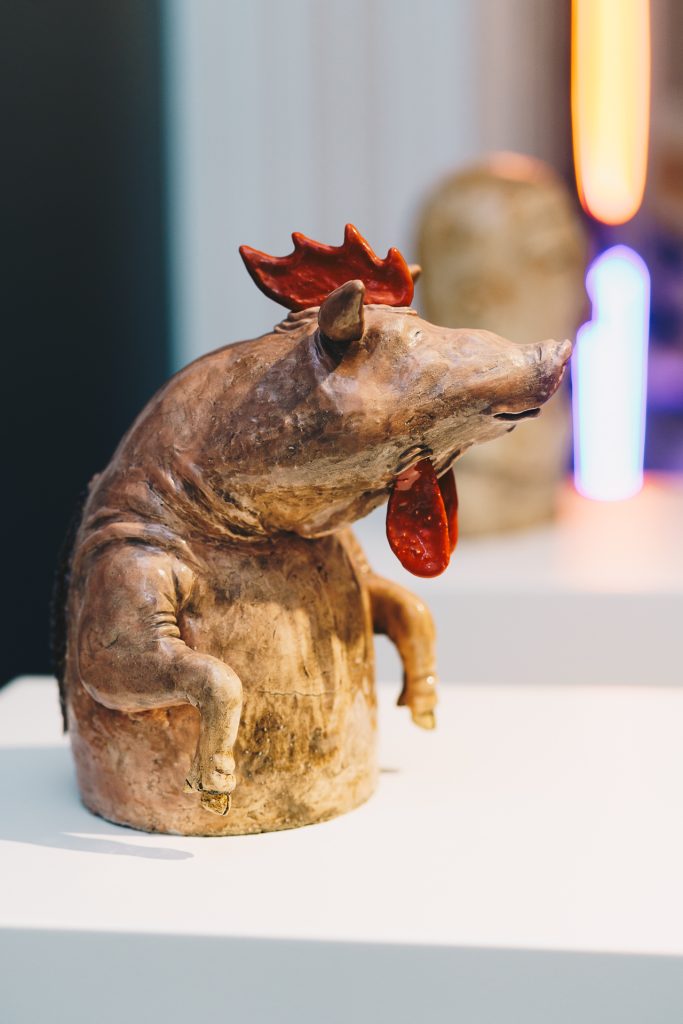
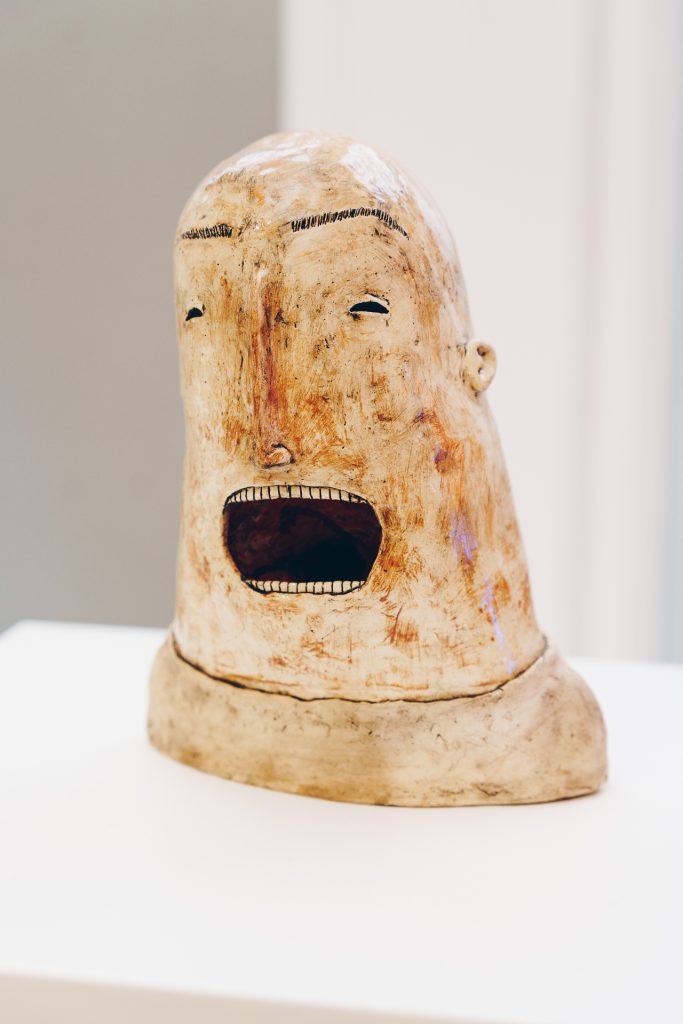
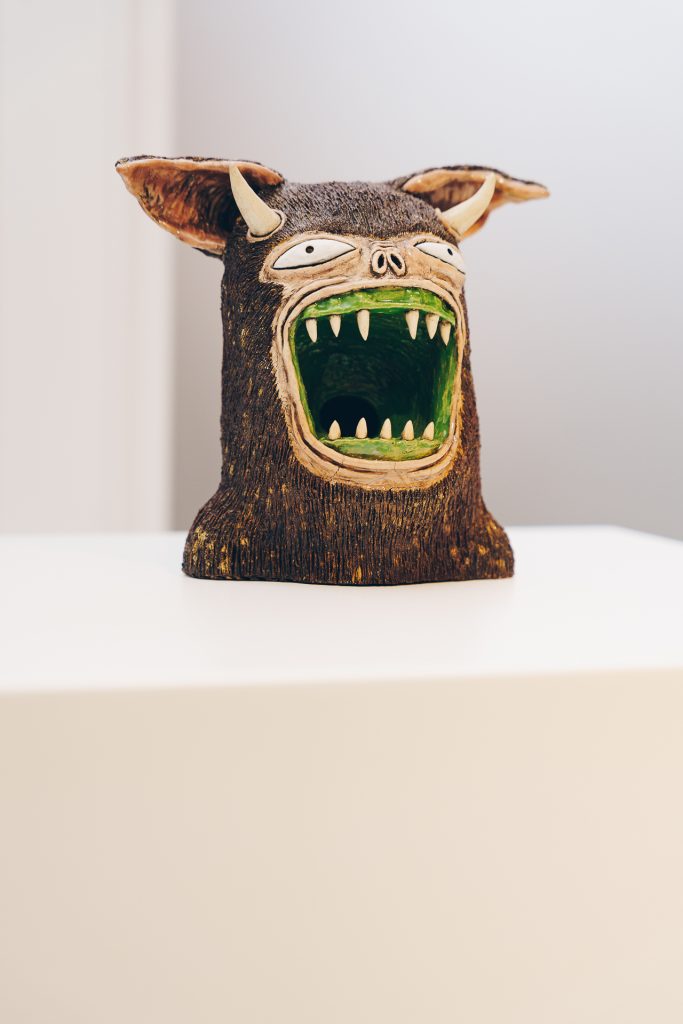
Discover Bisser’s Ceramics. Available at GraffitiStreet.
Related Reading
In Interview with Bisser: Embracing the Unknown of Ceramics, Bisser discusses moving into clay, learning through experimentation and allowing the sculptural process to lead the work.
Ceramic Street Art: The Playful Creations of Belgian Artist Bisser follows those figures from the studio back into public space across Europe and the United States.
For an earlier view of his mural practice, Smoke Signal reveals how architecture itself can become the starting point for a composition.
His Rock Werchter mural brings a more personal dimension to his imagined world, while Bisser’s 2026 Leuven mural shows that his fascination with architecture, characters and storytelling continues to evolve at monumental scale.


More Artists in the Spotlight
Discover Joachim Lambrechts, another Belgian artist whose relationship with GraffitiStreet reaches back through the Underground exhibitions and whose practice has similarly expanded beyond its graffiti beginnings.
Explore Nils Westergard, who collaborated with Bisser during Underground 2016, or Nature the Artist, whose use of unconventional materials offers another way of thinking about contemporary urban practice beyond the painted wall.
Discover Bisser at GraffitiStreet
GraffitiStreet has worked with Bisser since 2014, following his practice from murals and painting into an increasingly distinctive world of ceramic sculpture.
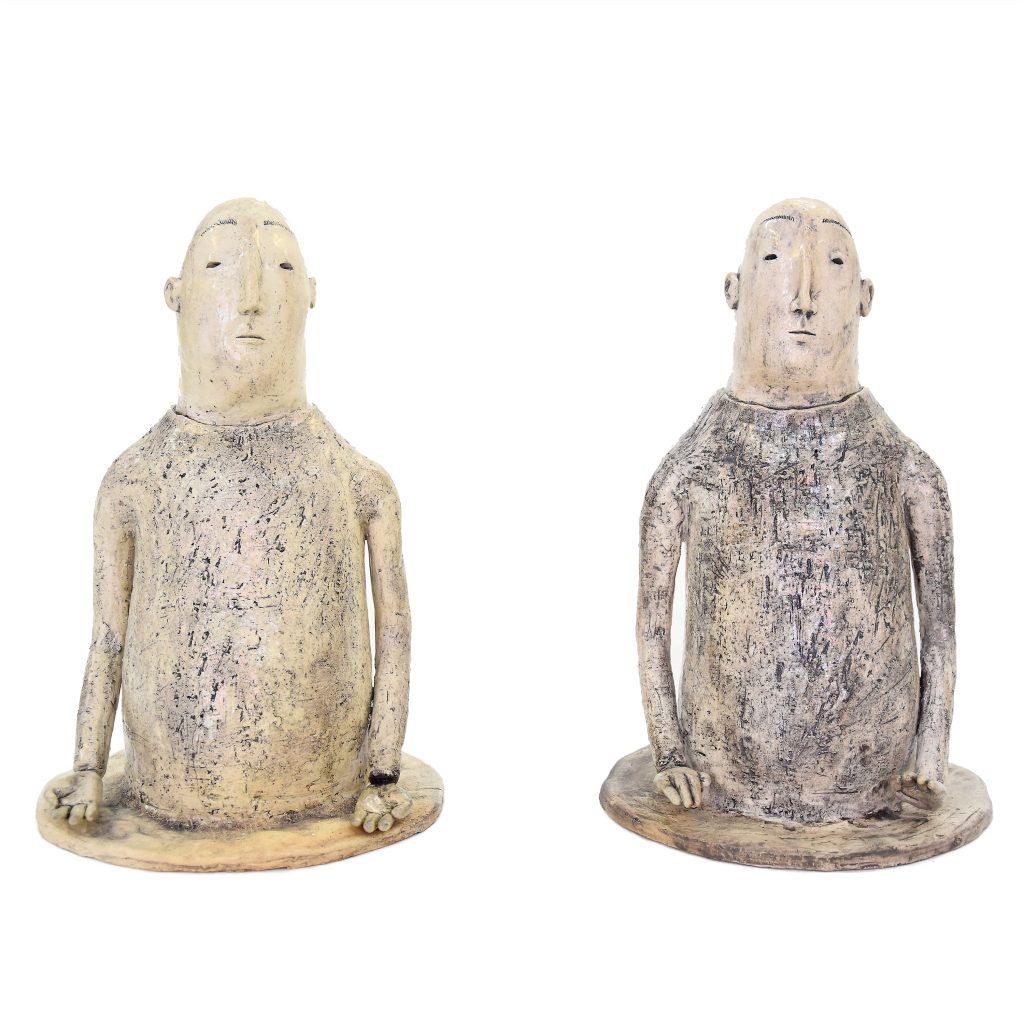
Bisser – Hesitaters (2024). Available via GraffitiStreet.
Explore Bisser at GraffitiStreet to discover available original works and unique ceramics, or contact GraffitiStreet for acquisitions, sourcing, commissions and private viewings.
Visit GraffitiStreet Gallery, 25A West Street, Chichester, West Sussex, England PO19 1QW.
Image copyright