Art and Activism: 10 Provocative Themes in Bordalo II’s Art
Portuguese artist Bordalo II has gained international recognition for transforming discarded materials into monumental works of contemporary art. Best known for his Big Trash Animals, he uses plastics, car parts, industrial waste and other abandoned materials to construct large-scale animal sculptures that confront the environmental consequences of overconsumption, mass production and throwaway culture.
By recreating wildlife from the very materials that contribute to pollution and ecological damage, Bordalo II makes the relationship between human consumption and the natural world strikingly visible.
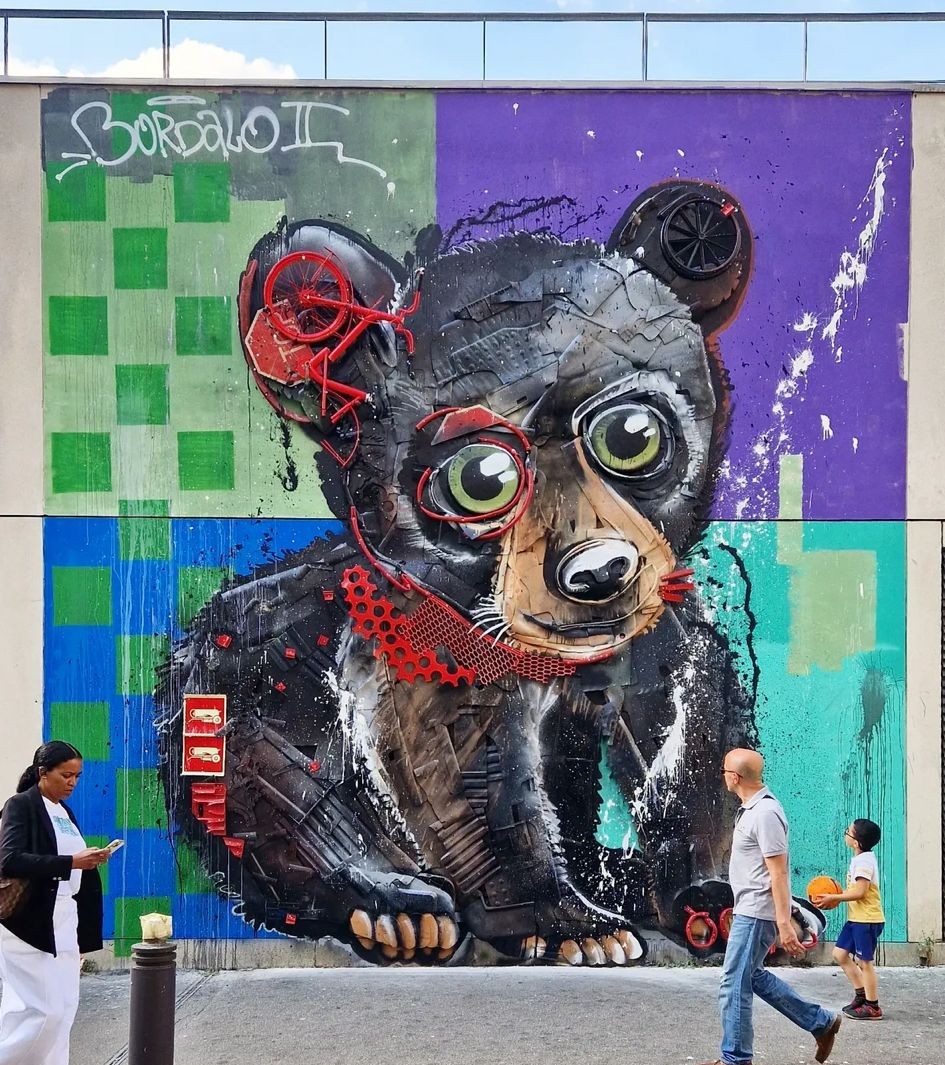
Yet Bordalo II’s practice extends far beyond environmental sculpture. Across public installations, interventions and mixed-media works, he has addressed subjects including the brutality of bullfighting, child abuse within religious institutions, war and its impact on innocent lives, political power, social inequality and humanity’s increasingly complicated relationship with the planet. His work often combines an immediately recognisable visual language with subjects that are difficult, uncomfortable and impossible to ignore.
This willingness to engage with challenging ideas is central to Bordalo II’s practice. Beauty, humour, shock and contradiction frequently sit side by side, allowing his artworks to attract attention before revealing the deeper social or political questions beneath their surface. Public space becomes part of that conversation, placing these subjects directly into the everyday lives of the people who encounter them.
In this article, we explore ten powerful themes and ideas Bordalo II has addressed through his art, from the environmental message behind his Big Trash Animals to works confronting institutional abuse, conflict, animal welfare and wider questions of social responsibility.
10 Bordalo II Provoc Art Themes That Confront the World Around Us
1. BIG TRASH ANIMALS
Bordalo II’s Big Trash Animals transform discarded plastics, car parts and other waste into monumental animal sculptures. By recreating wildlife from the very materials that contribute to pollution, he exposes the environmental cost of overconsumption, excessive production and throwaway culture. The result is visually striking, but the message is clear: what we discard does not simply disappear.
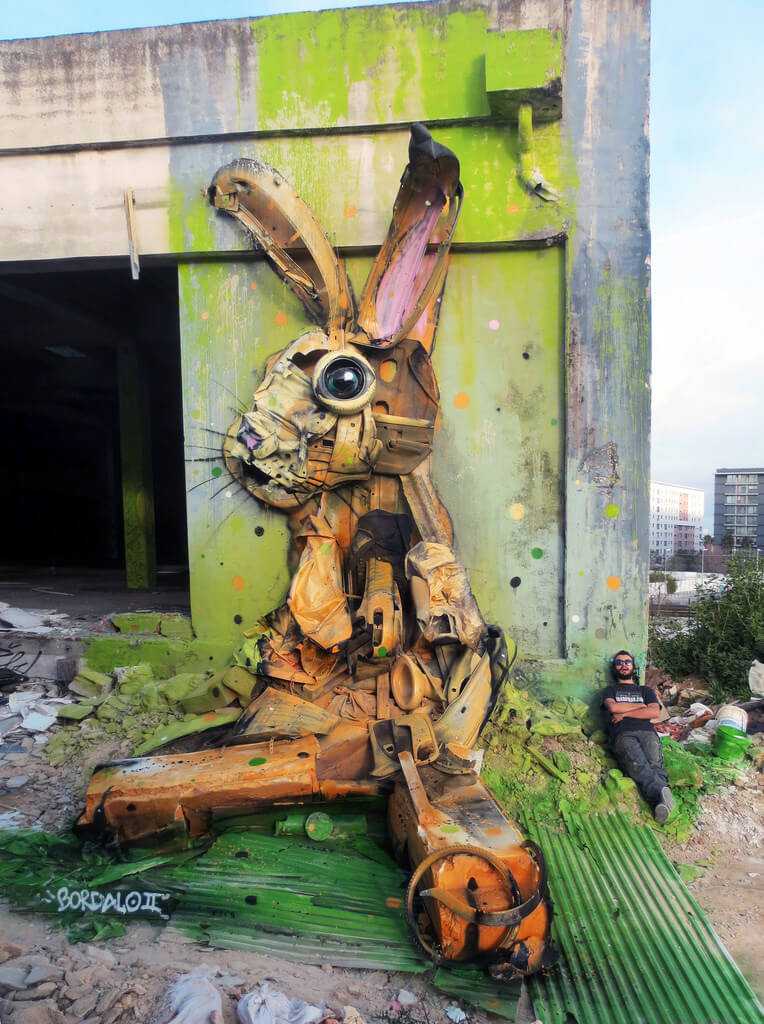


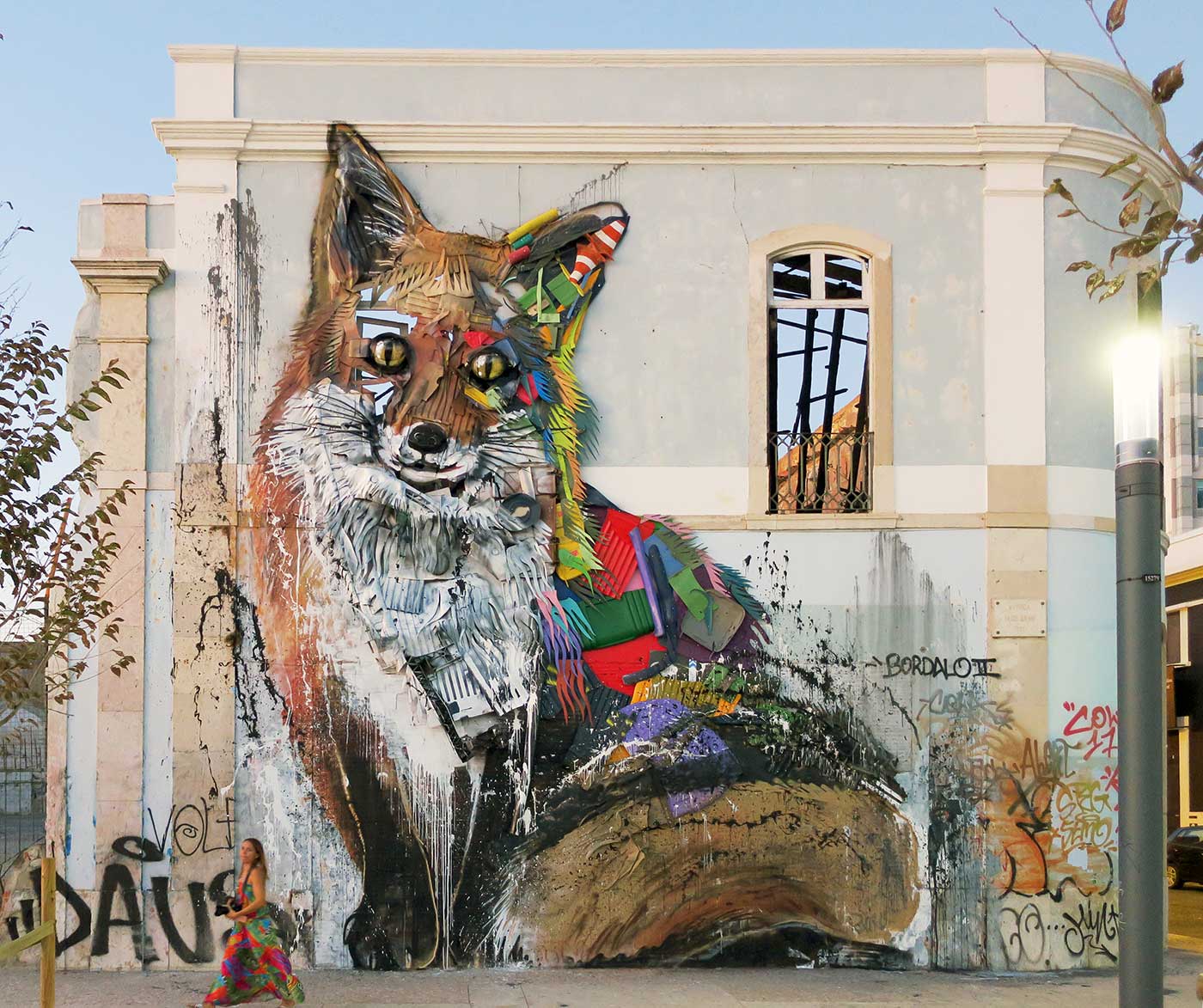
Image Copyright Bordalo II
2. INSTITUTIONAL CHILD ABUSE
Bordalo II has created powerful public interventions confronting child abuse within the Church and the institutional silence that allowed it to remain hidden or unpunished. Through these works, he draws attention to survivors while challenging systems of authority, protection and accountability.
By placing these difficult histories into public view, Bordalo II demands recognition, justice and responsibility from institutions that have too often been shielded by their own power.
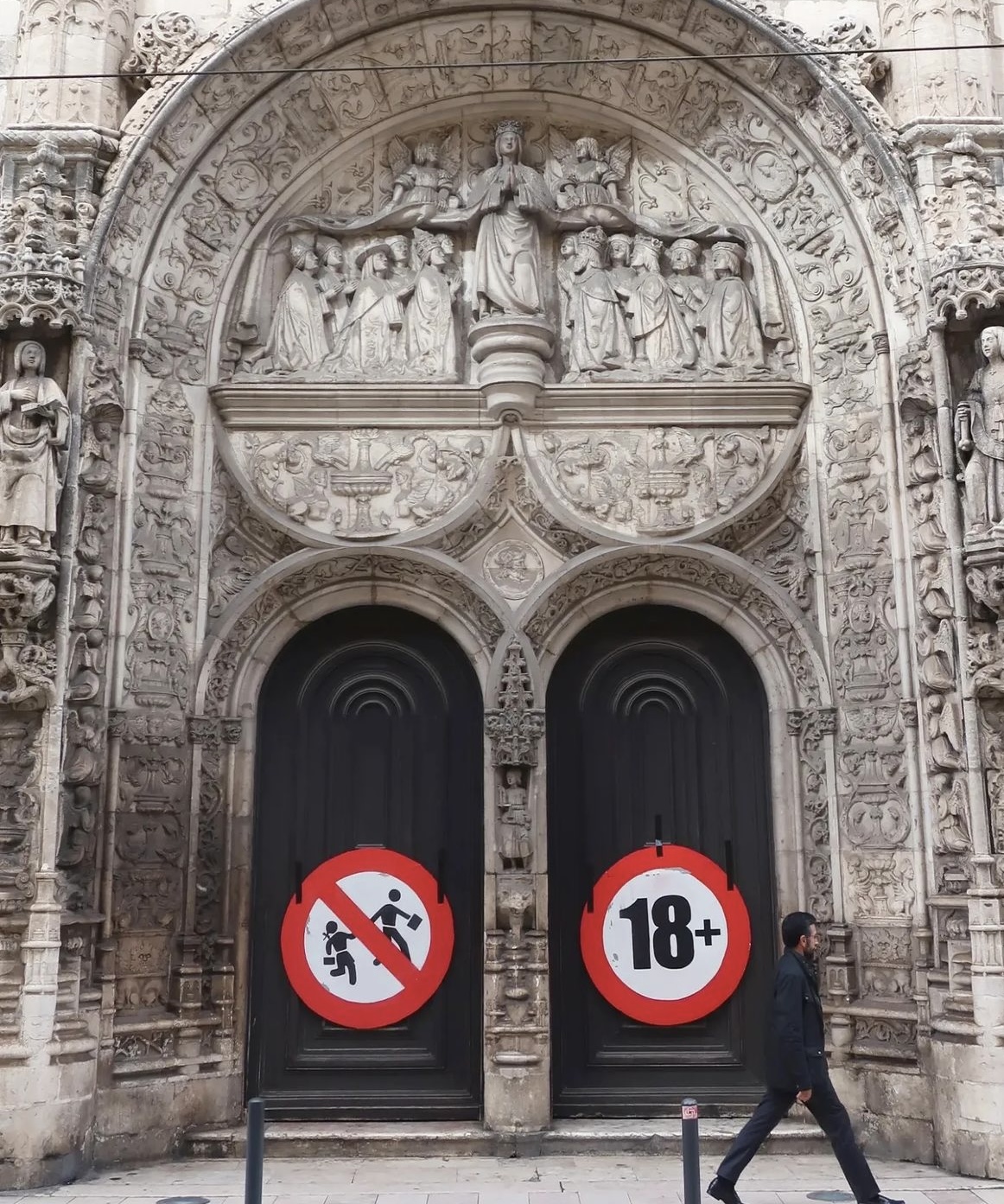
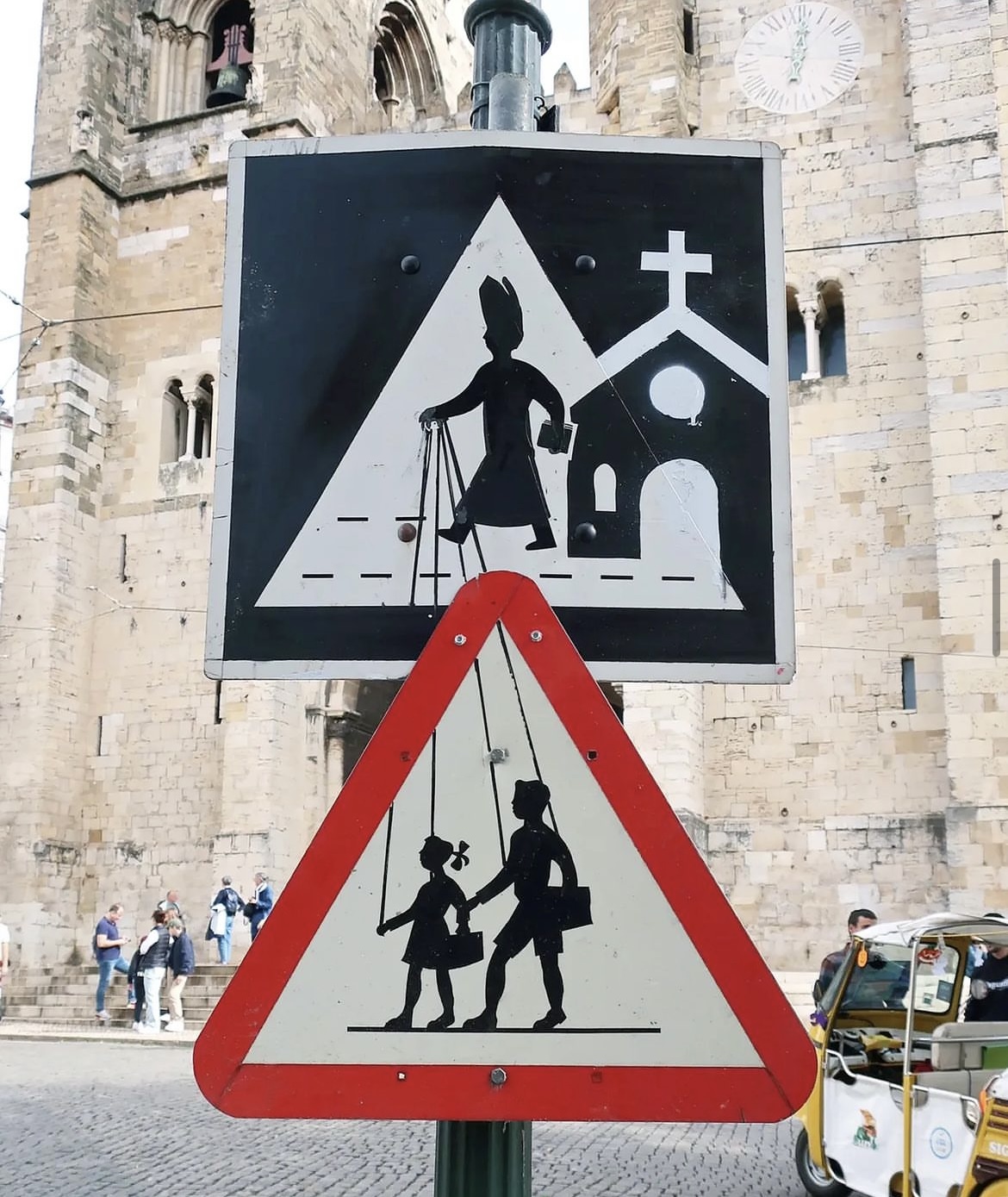
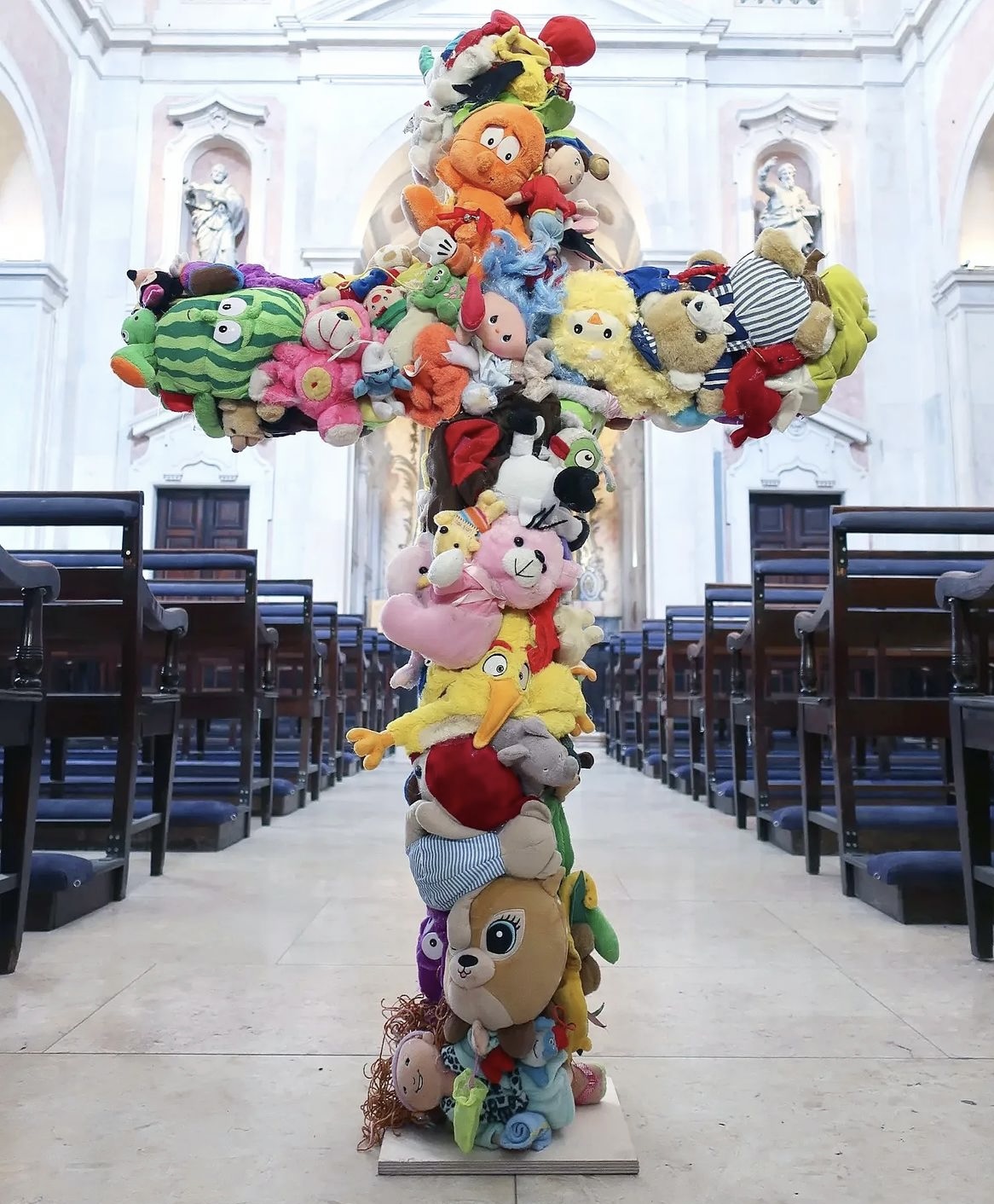
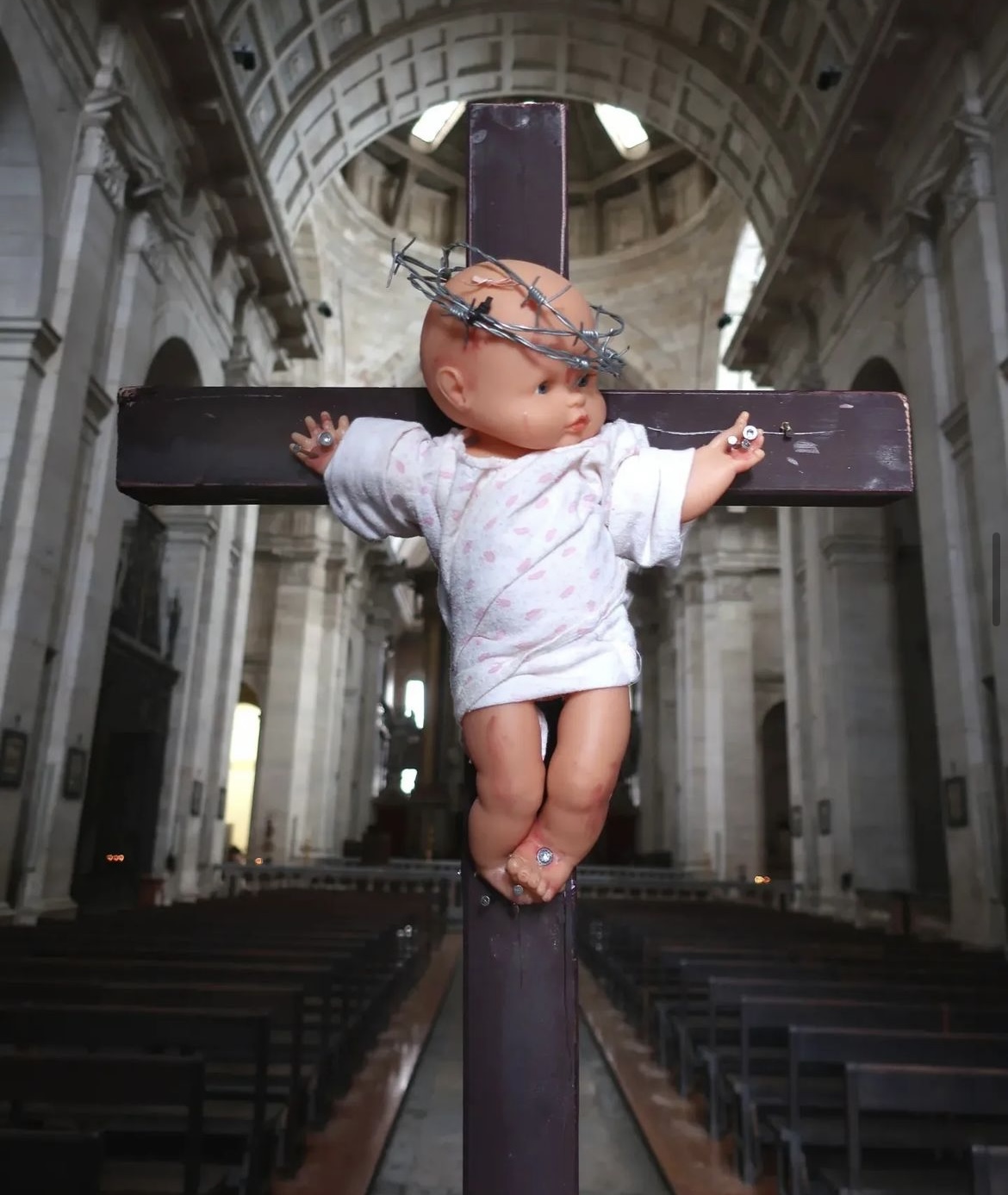
Image Copyright Bordalo II
3. ENVIRONMENT
Bordalo II’s work often carries a political edge, questioning how governments and public authorities respond to waste, pollution and environmental responsibility. His interventions use art to expose the consequences of poor policy and unsustainable systems, while encouraging greater accountability.
By bringing these issues into public space, Bordalo II turns environmental concern into a wider conversation about power, responsibility and the urgent need for change.
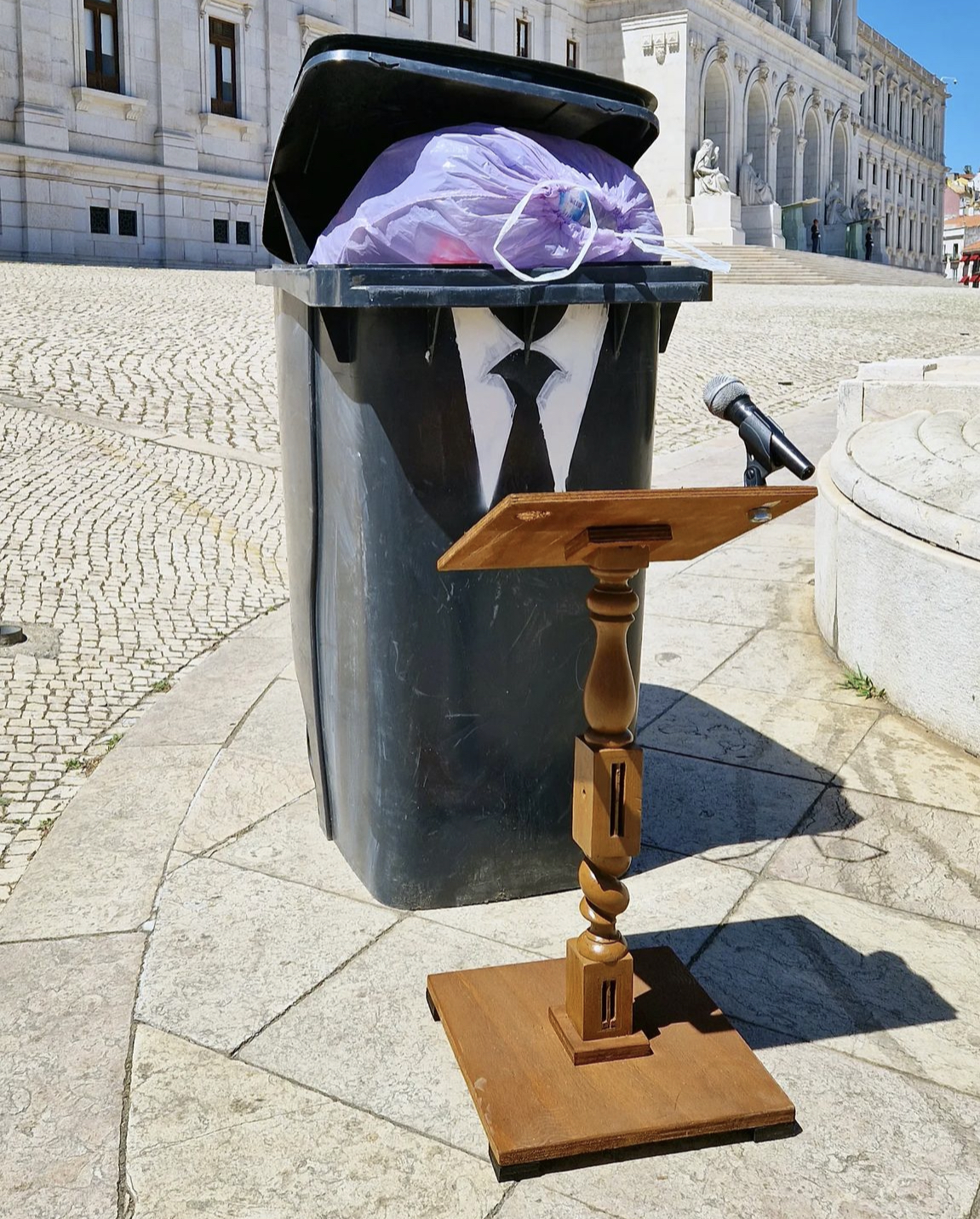
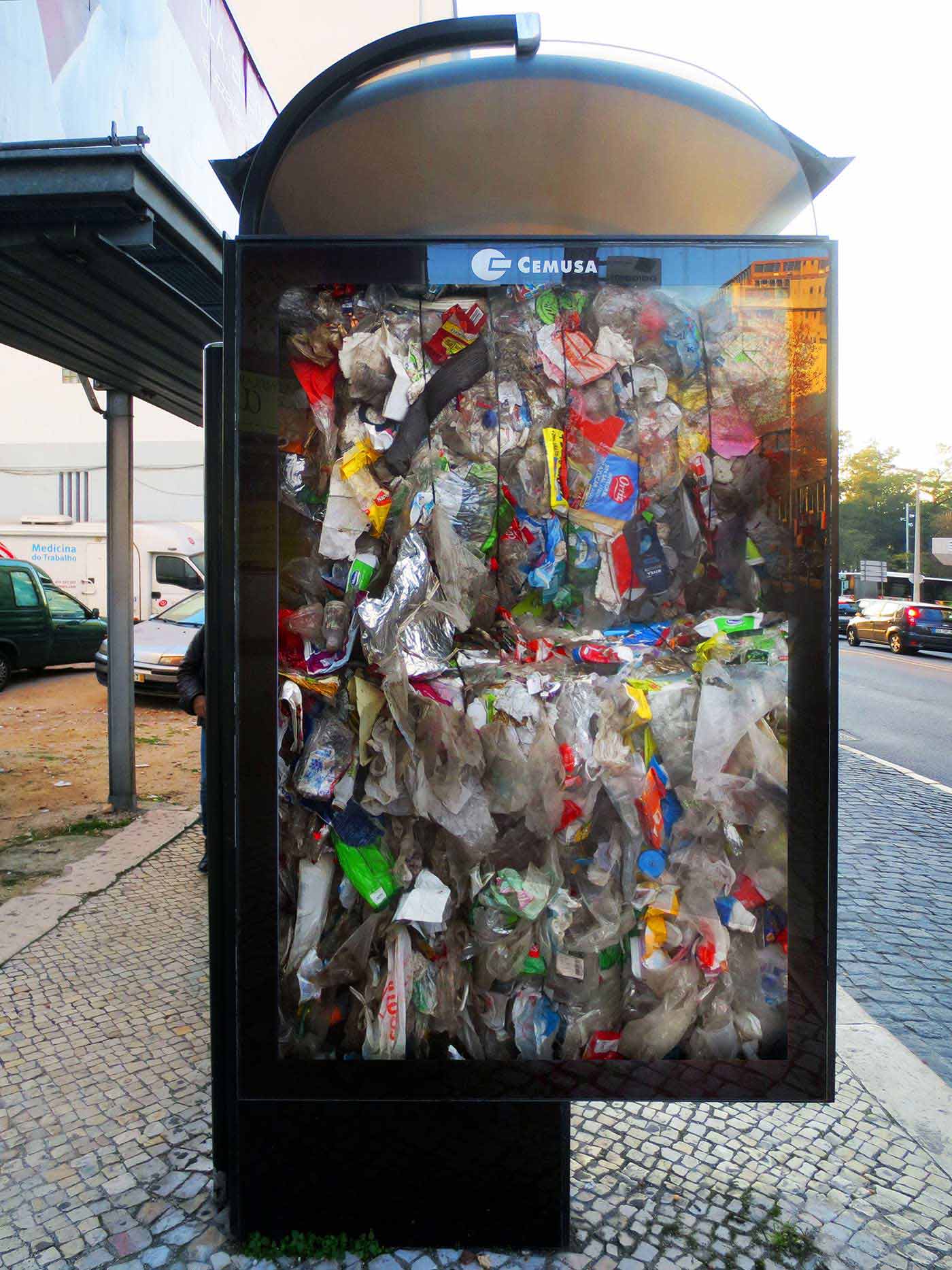
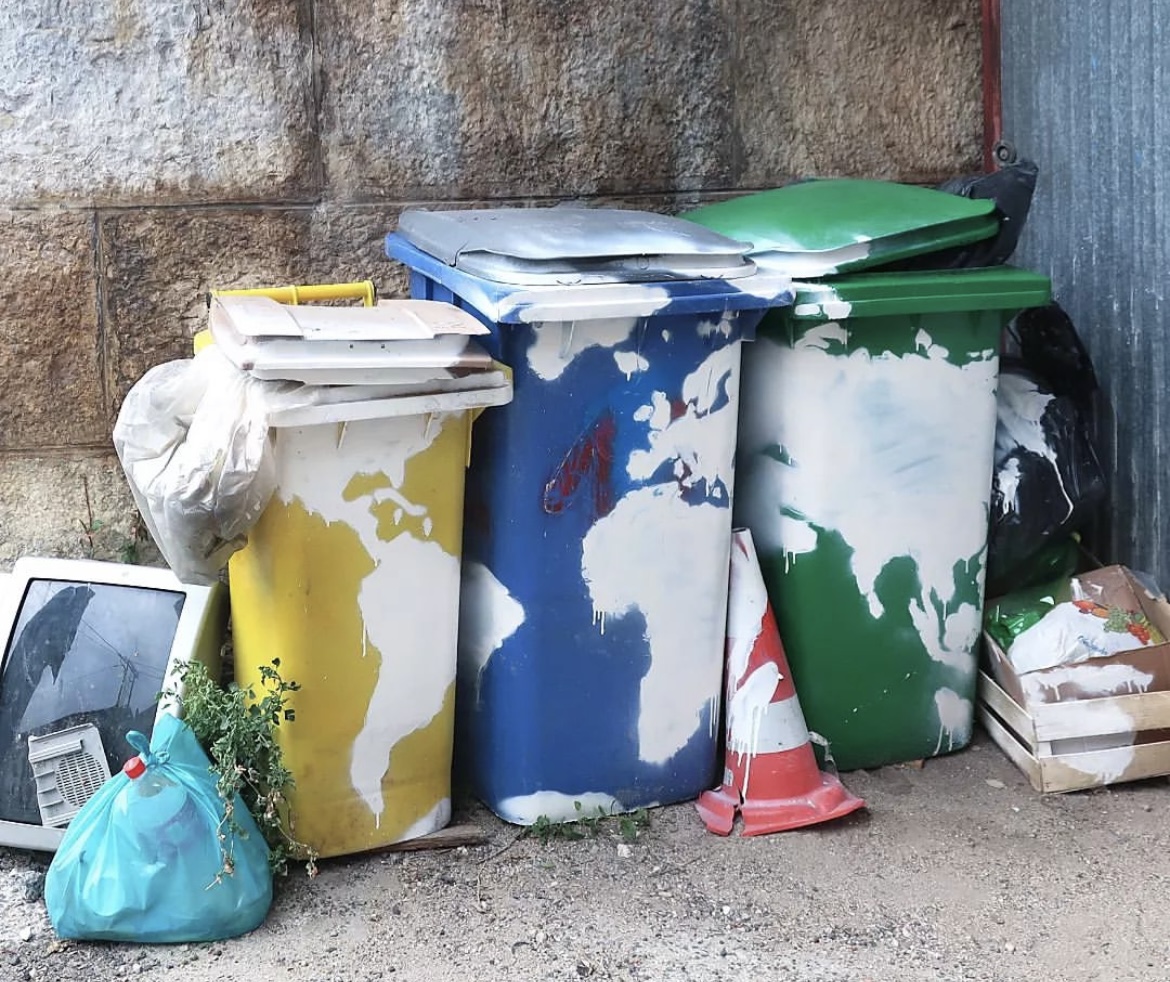
Image Copyright Bordalo II
4. BULLFIGHTING
Bordalo II has also used his art to challenge the tradition of bullfighting, confronting the violence and animal suffering embedded within the spectacle. His work encourages viewers to question whether cultural tradition should justify cruelty, while opening a wider conversation about our treatment of animals and our responsibility towards them.
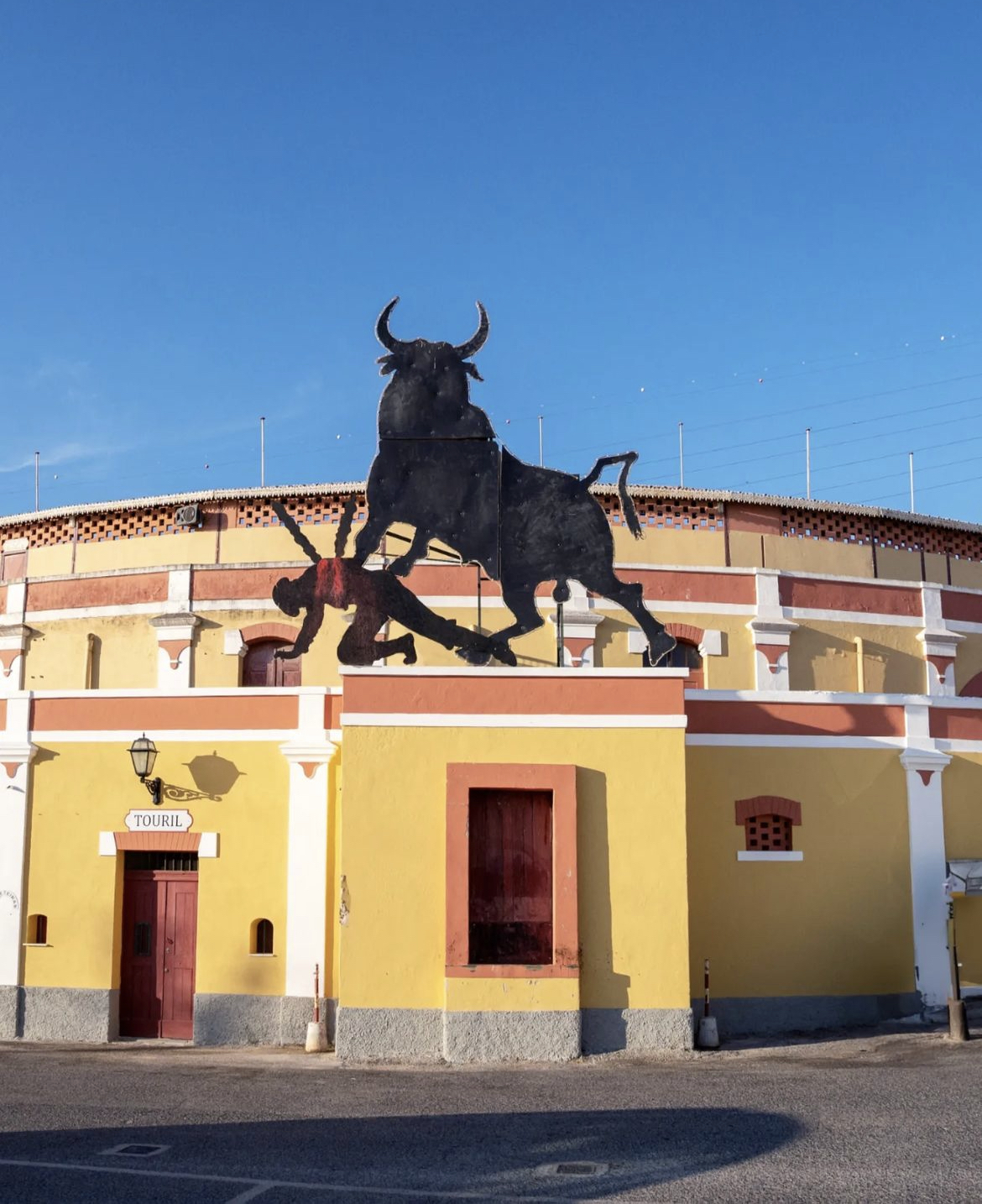
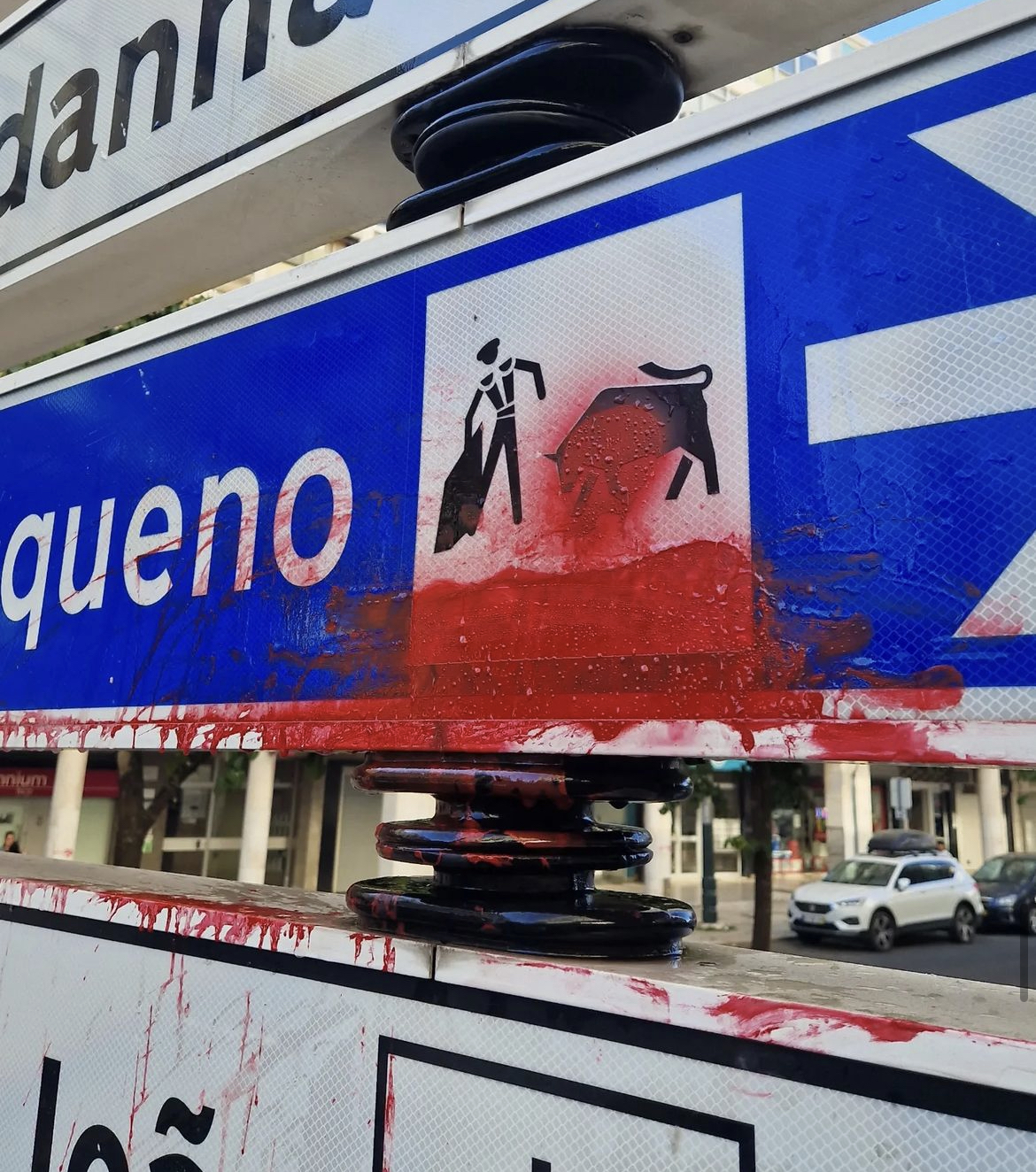
Image Copyright Bordalo II
5. MISOGYNY AND WOMEN’S RIGHTS
Bordalo II has used public art to confront misogyny, violence against women and failures within systems meant to protect them. His interventions question entrenched inequalities while drawing attention to women’s rights, reproductive freedom and the continuing struggle for greater safety, justice and equality.ice.
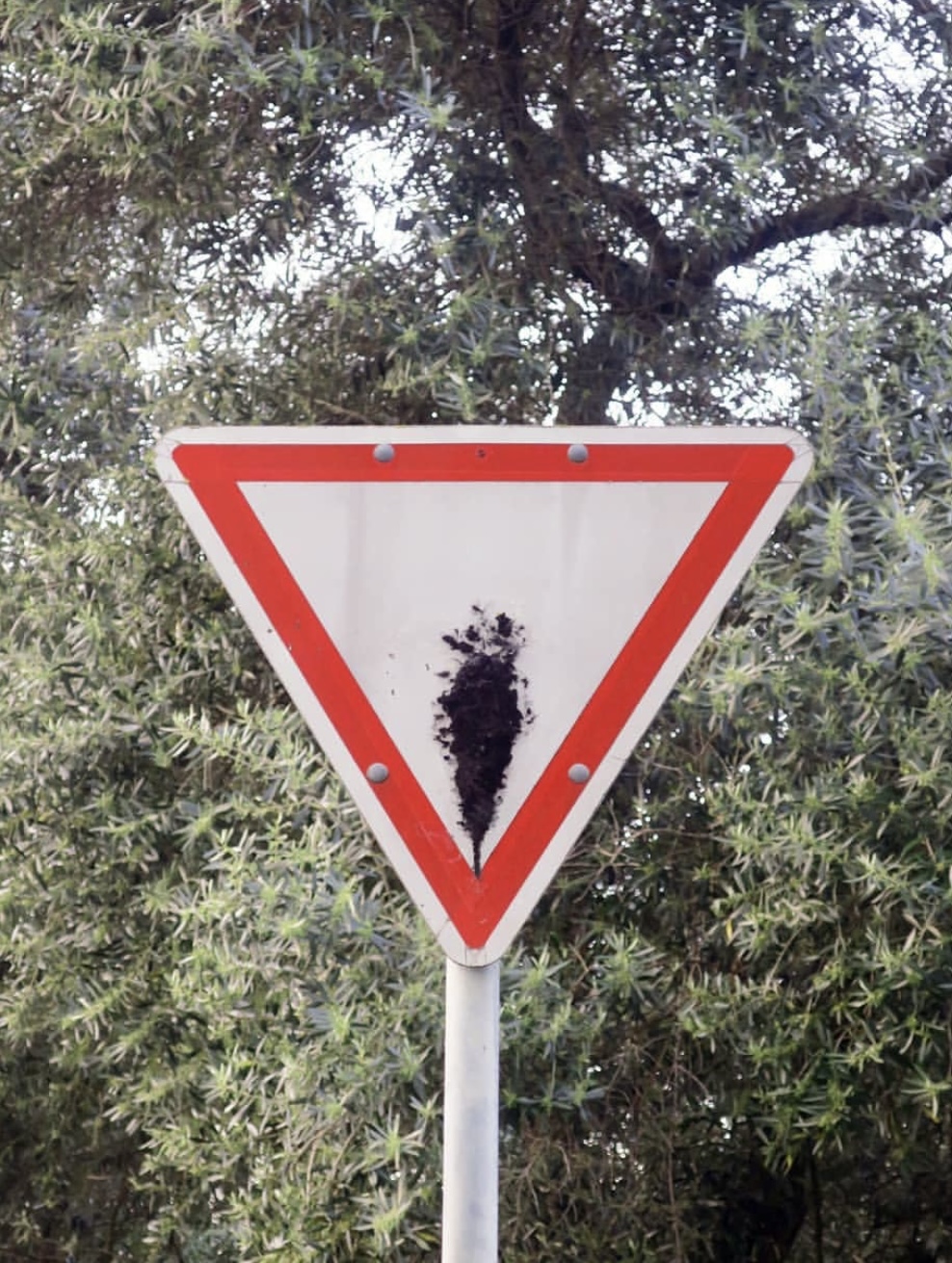
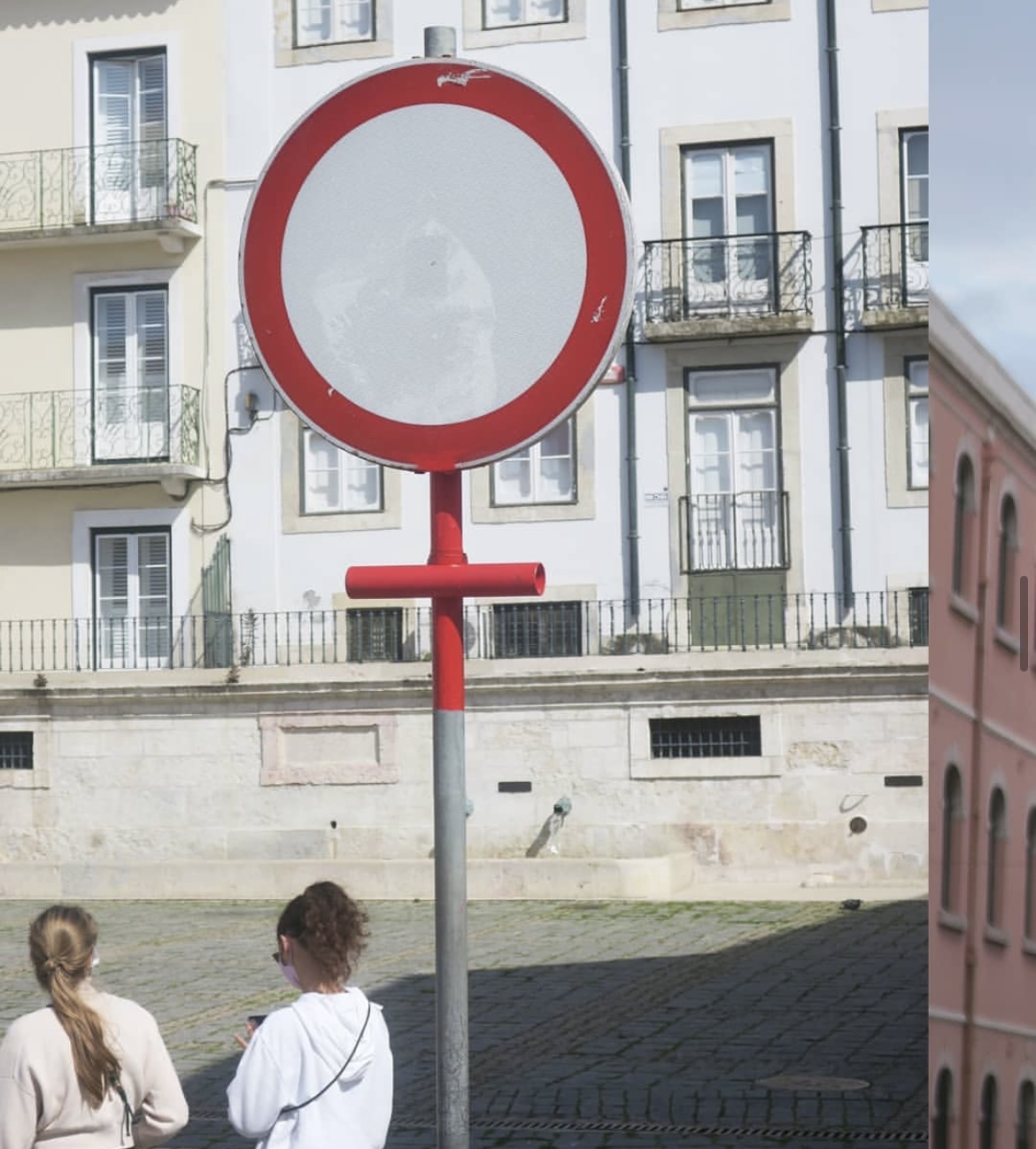
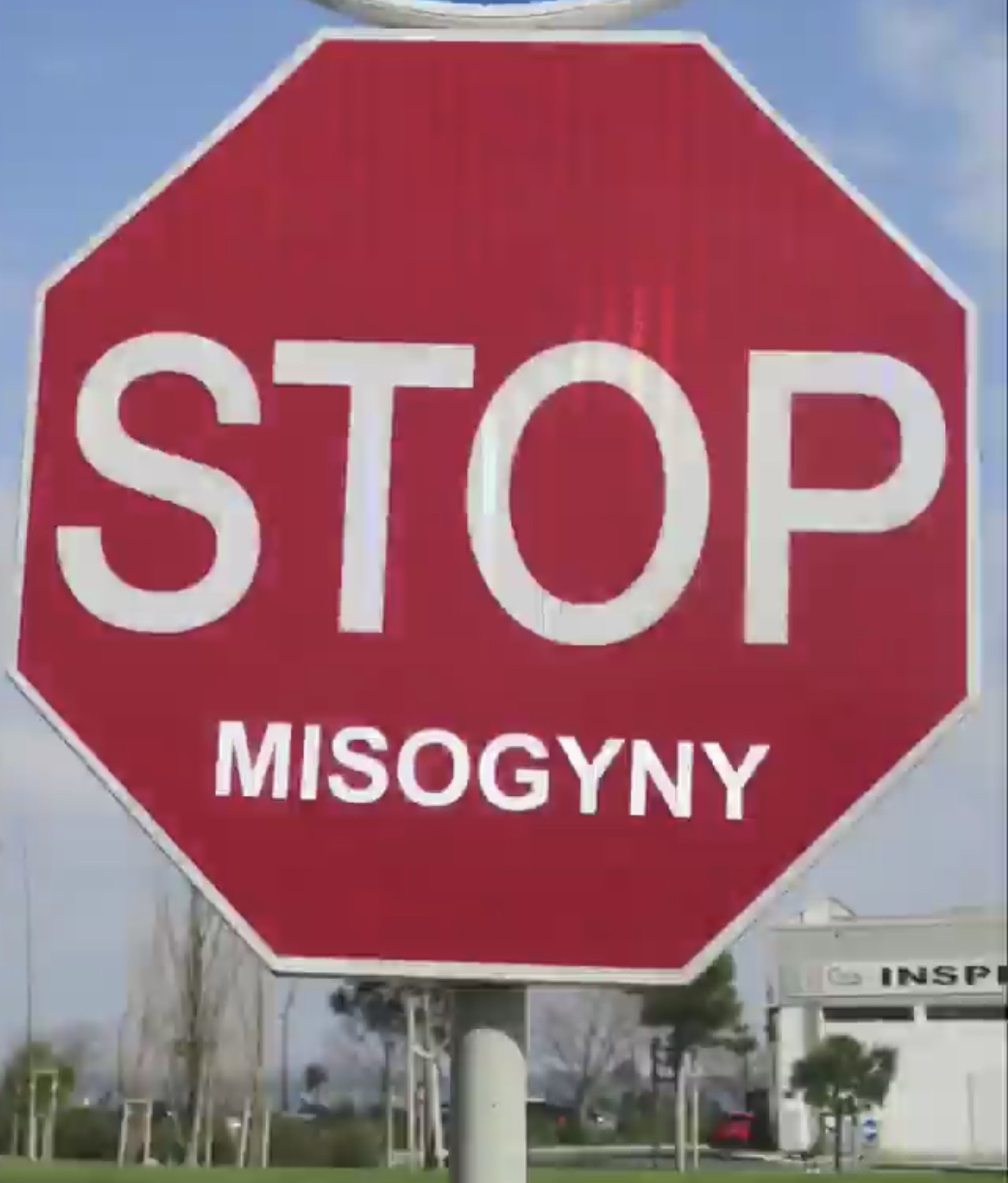
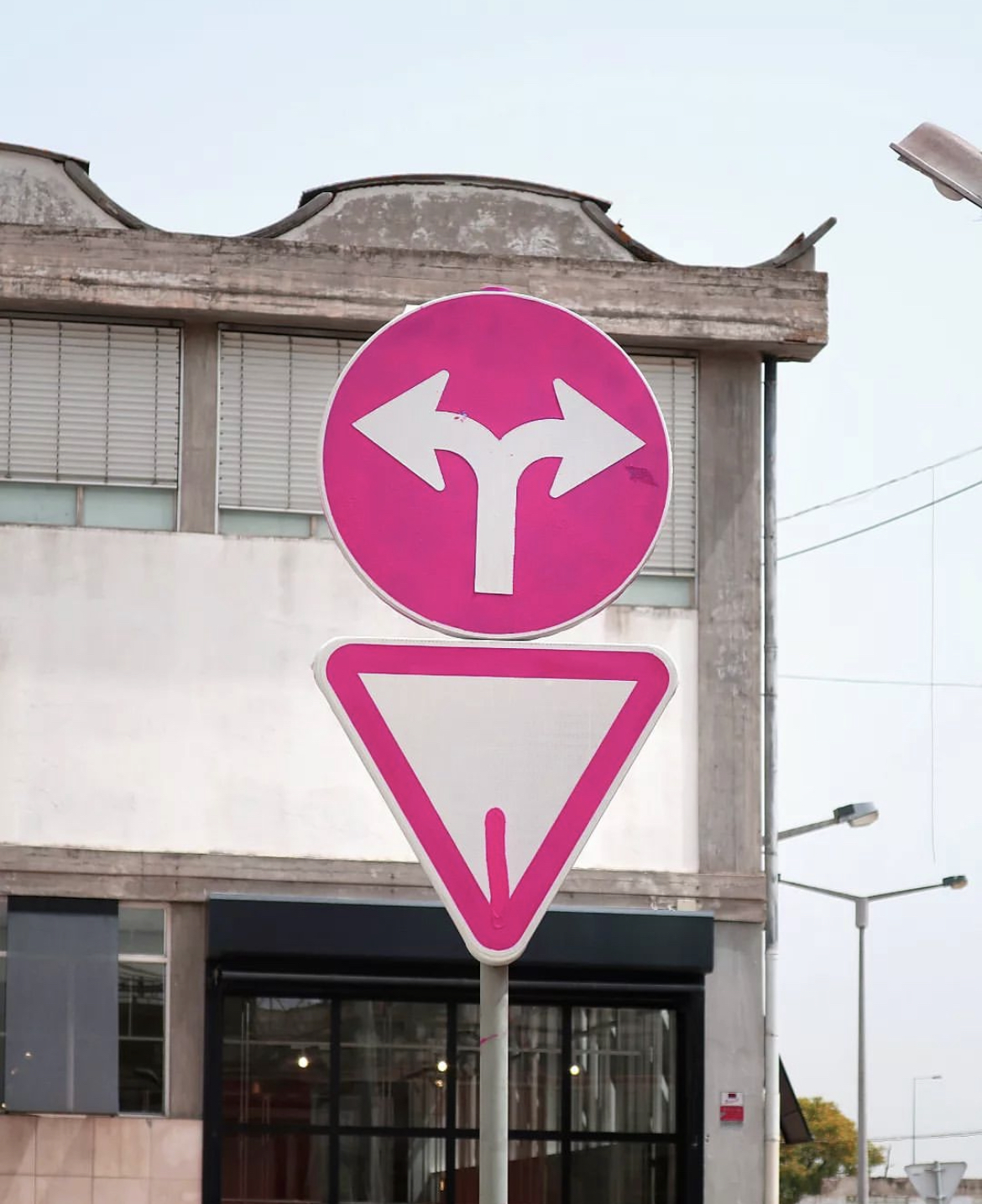
Image Copyright Bordalo II
6. PALESTINE
In one striking intervention, Bordalo II painted the Palestinian flag across a set of steps, using wet red paint to evoke bloodshed and the human cost of conflict. As people walked across the work, the red pigment spread over the flag, gradually altering the image and creating a powerful visual metaphor for violence, loss and the suffering of civilians.
The work turns an everyday public space into a reflection on war, human vulnerability and the urgent need for peace.
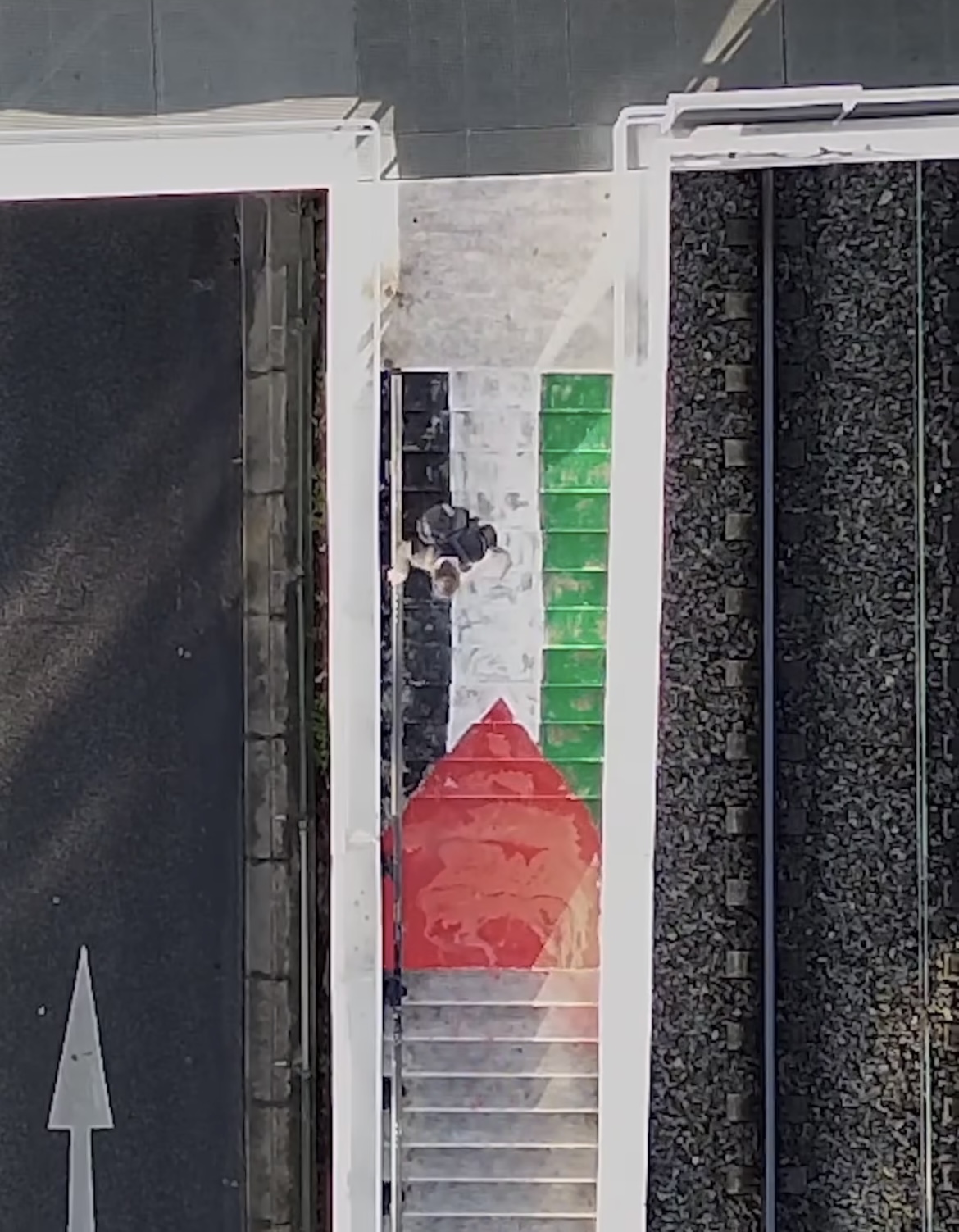
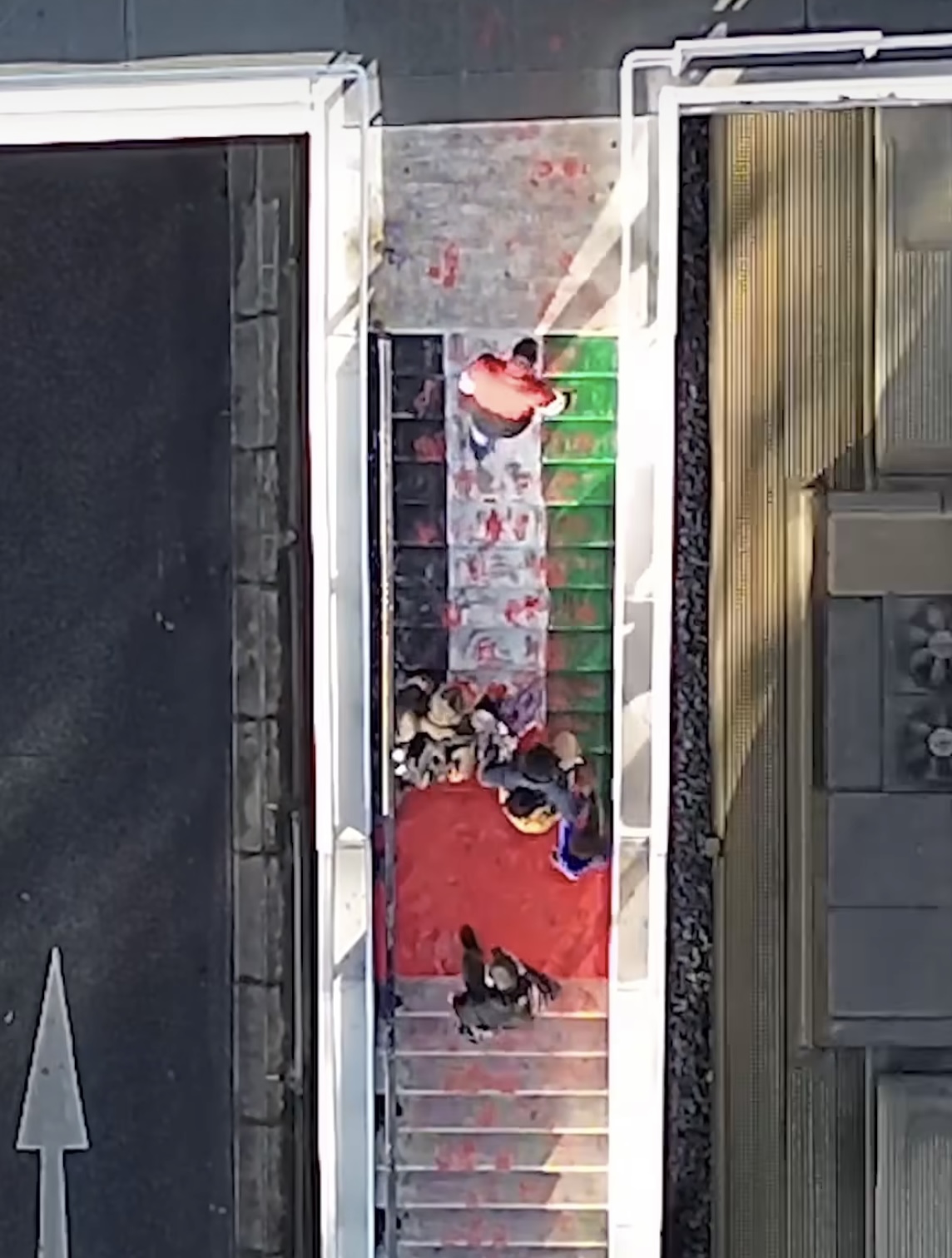
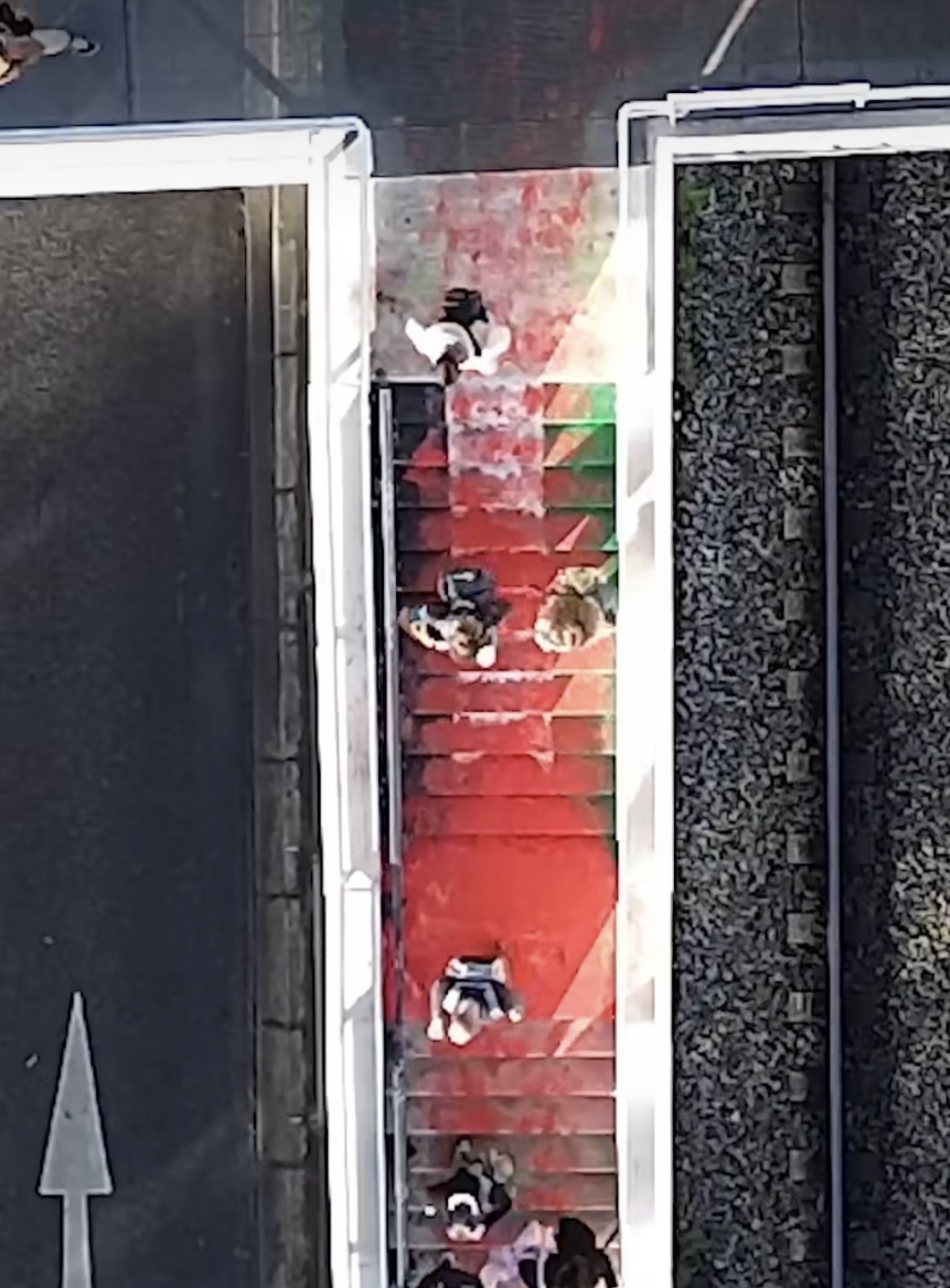
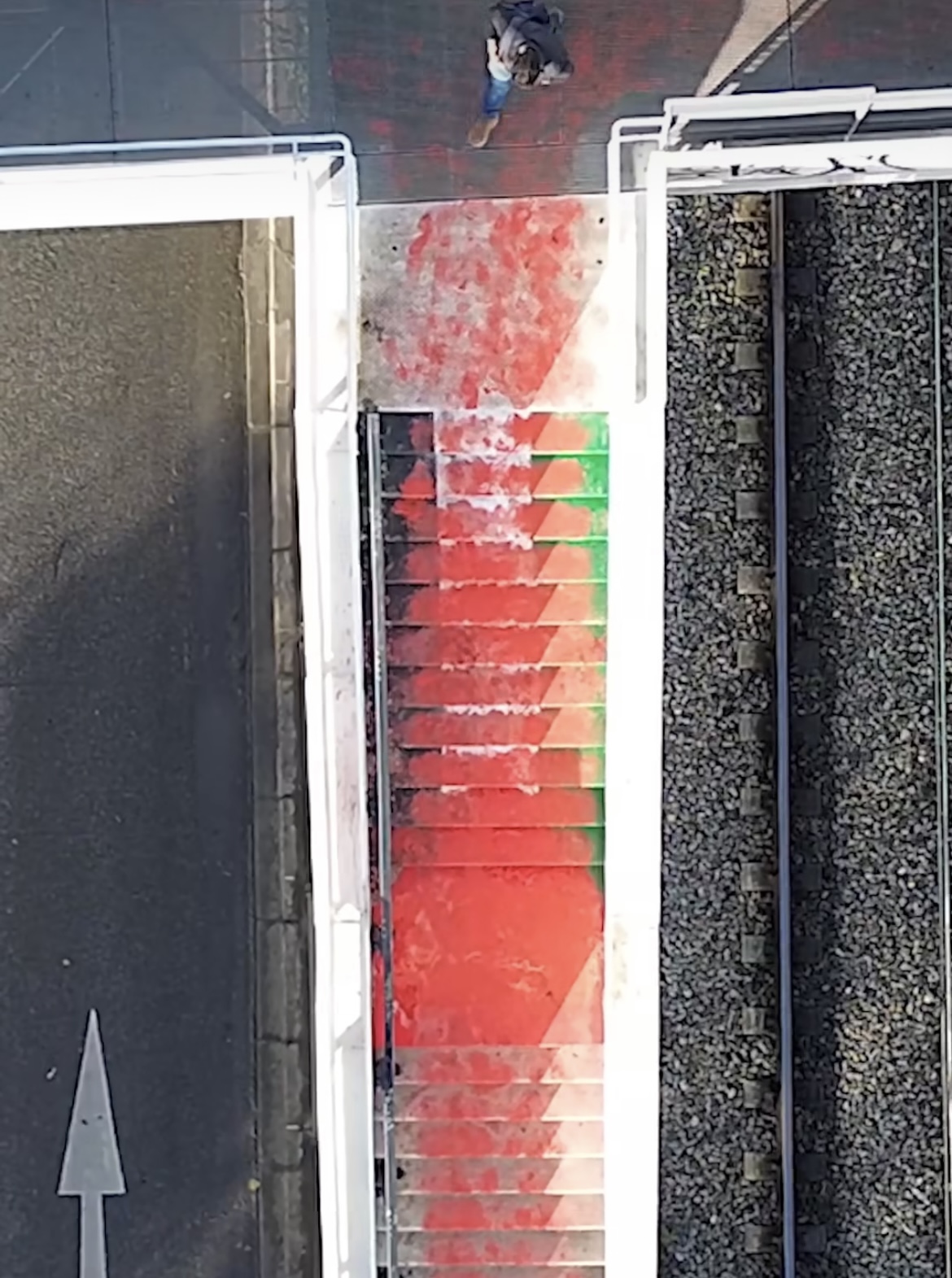
Image Copyright Bordalo II
7. SOCIAL MEDIA, PRIVACY AND FREE SPEECH
Bordalo II has also turned his attention to social media, privacy and freedom of expression, questioning the influence major platforms have over communication and personal information. Through symbolic and provocative imagery, he challenges the concentration of digital power and raises concerns around censorship, data control and accountability.
His work encourages viewers to think more critically about how social media shapes public discourse, personal freedom and the way we interact online.
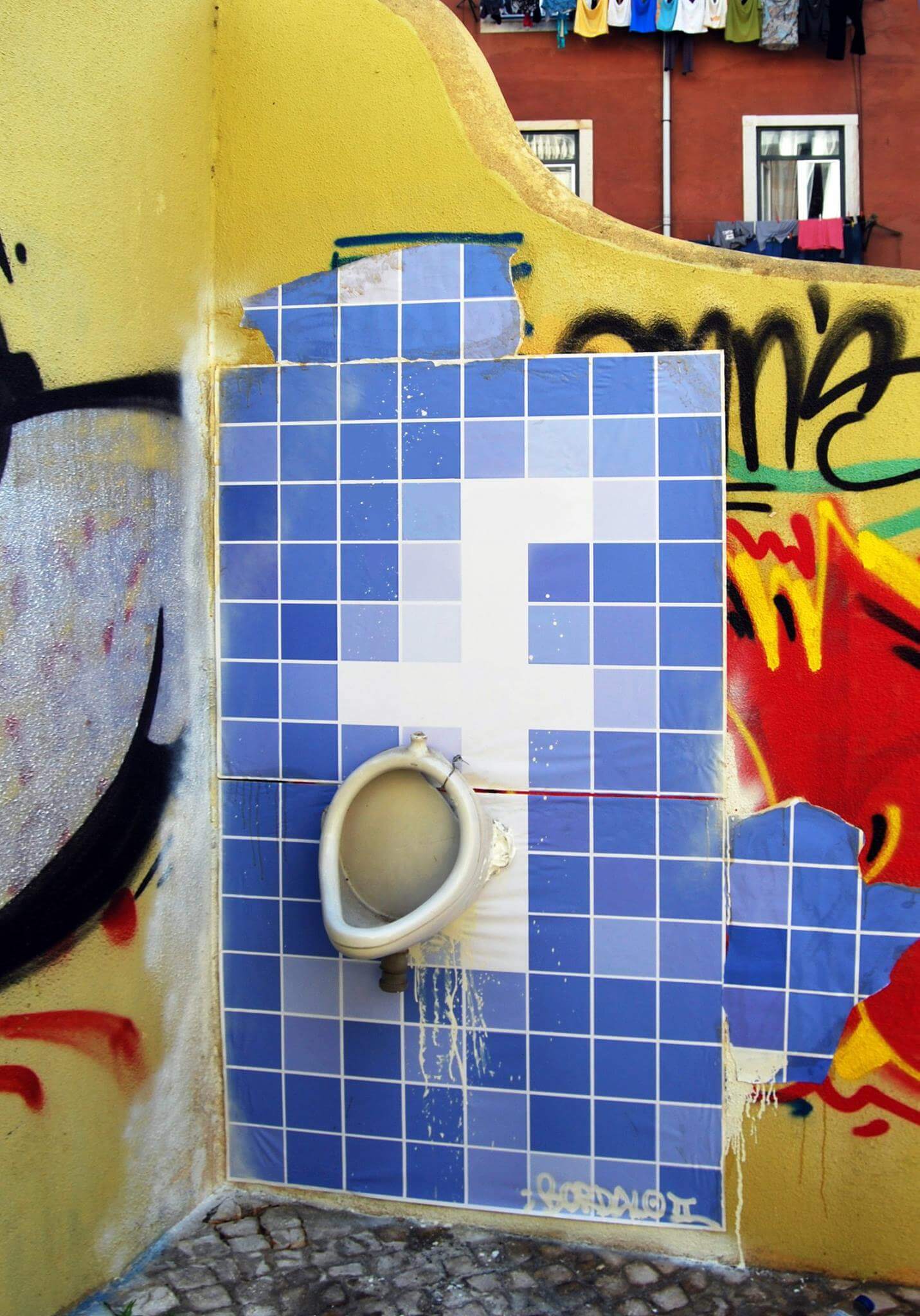
Image Copyright Bordalo II
8. STOP RACISM
Bordalo II has used simple public interventions to confront racism and social division, including transforming a road sign into the message “Stop Racism” and using a zebra crossing to depict black and white figures sharing the same space.
These works use familiar urban symbols to promote equality, inclusion and a shared sense of humanity.
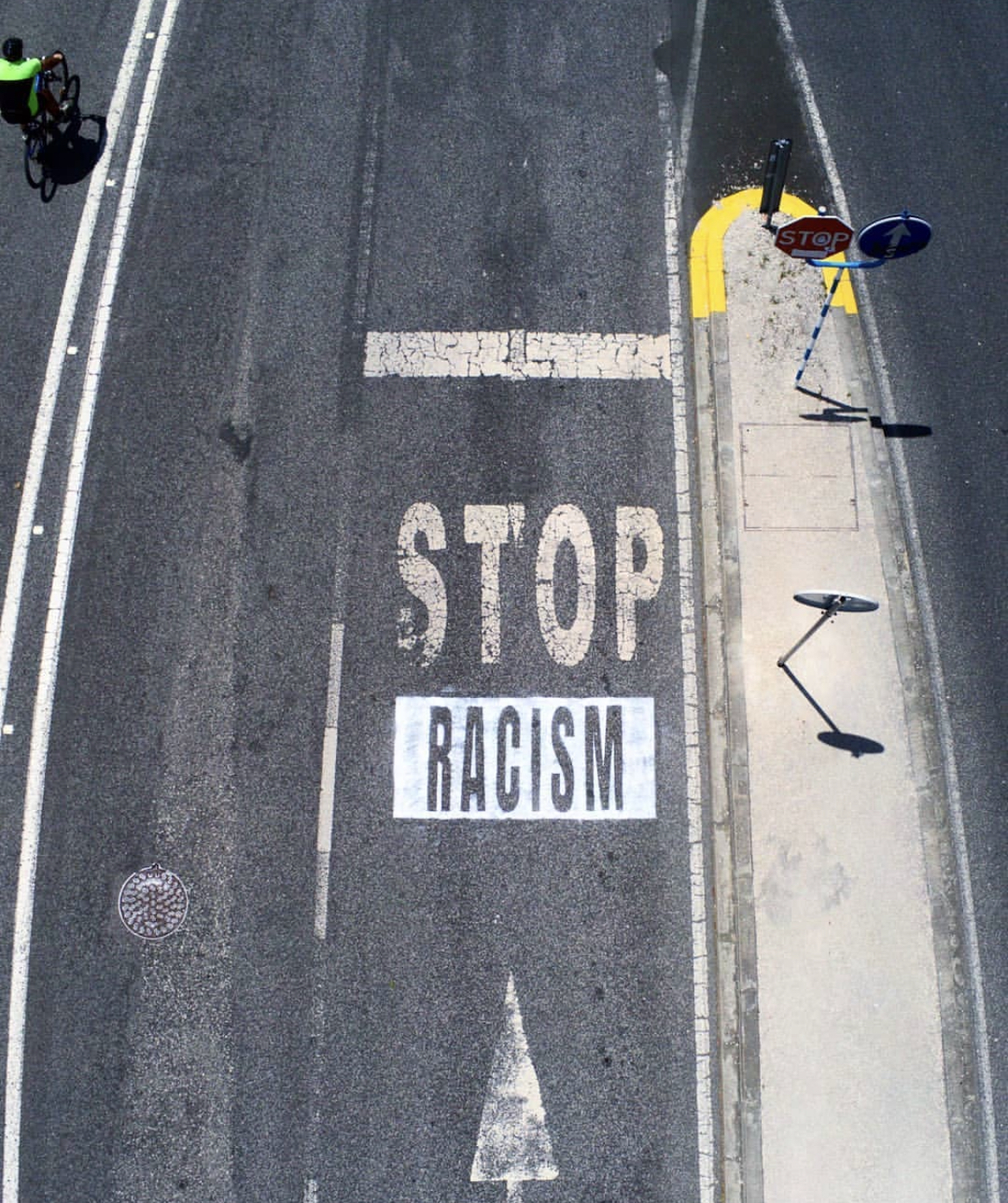
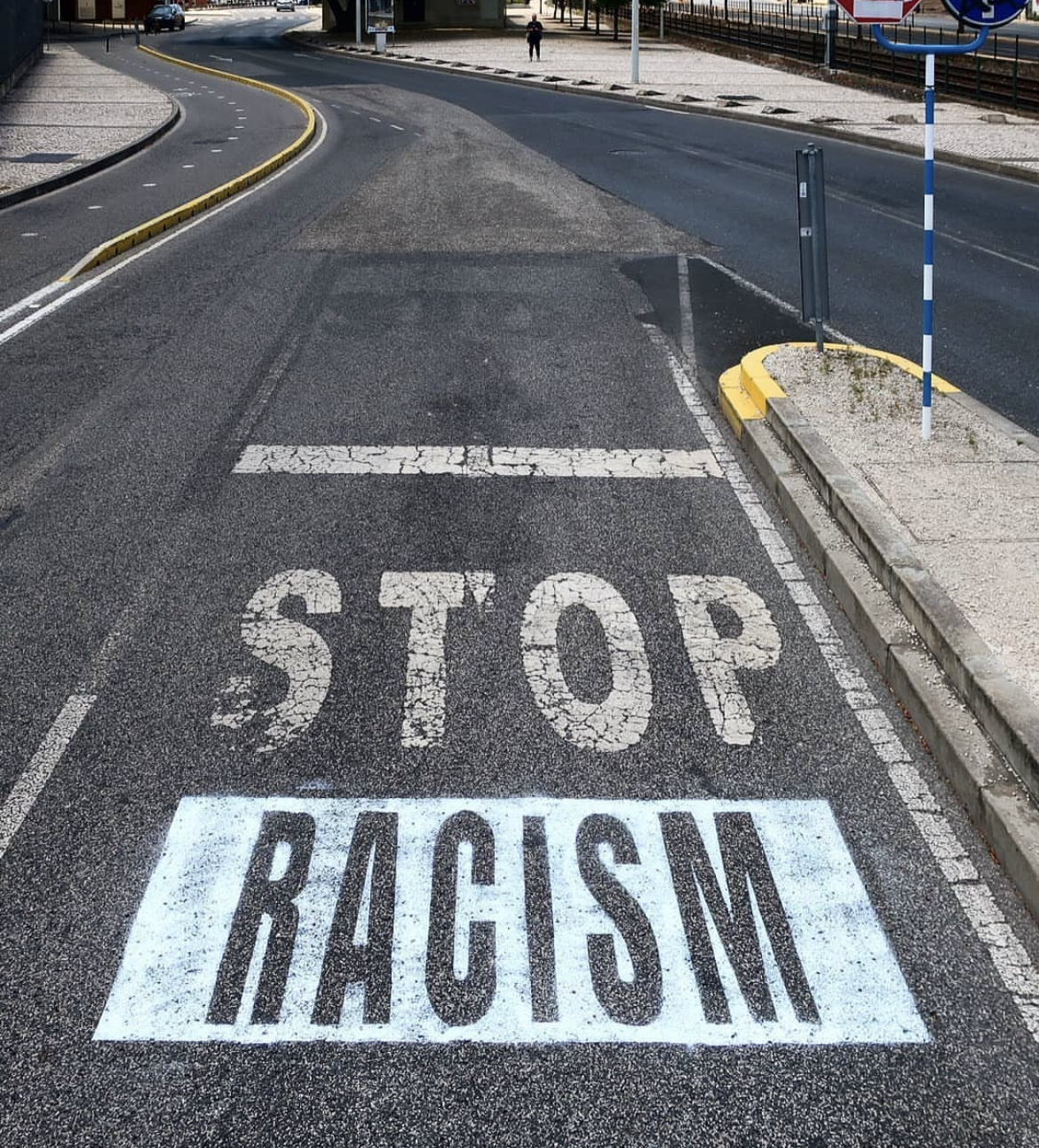
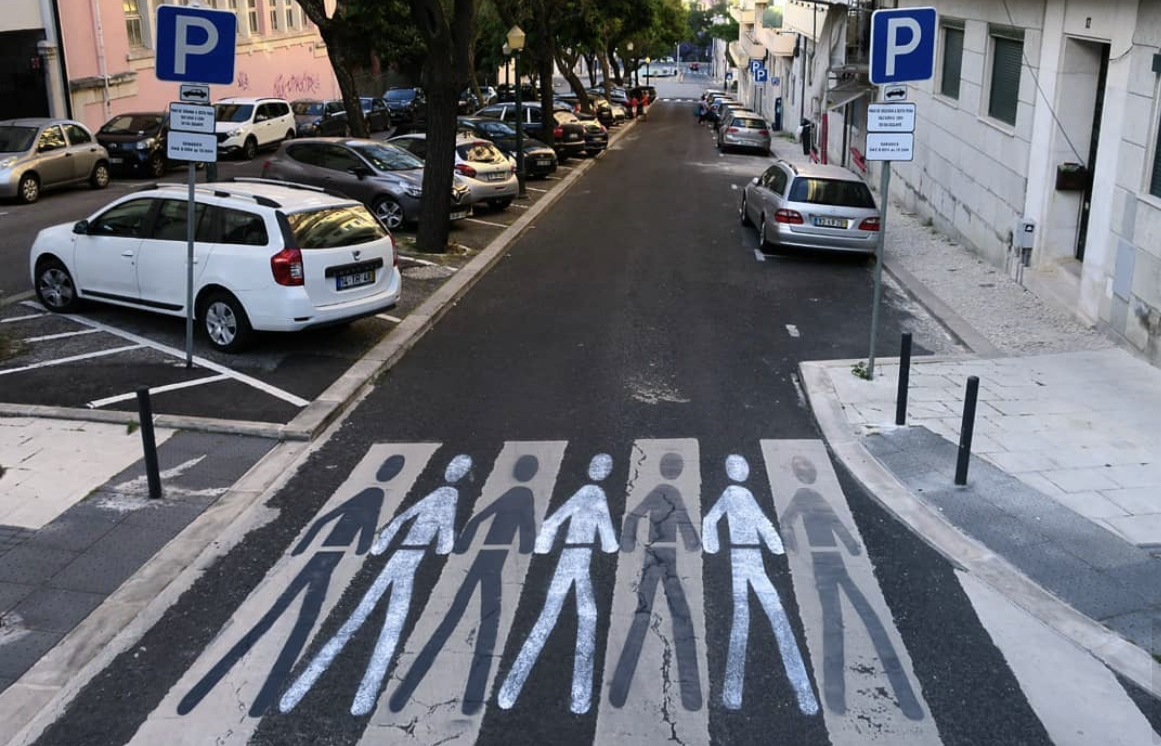
Image Copyright Bordalo II
9. END WAR
Bordalo II has created a number of powerful anti-war works, often using children’s toys such as teddy bears and pandas to represent innocent lives caught in conflict. By staining these familiar symbols of comfort and childhood with red paint, he transforms them into haunting images of violence, loss and vulnerability.
These interventions draw attention to the human cost of war, particularly its impact on children, while reinforcing Bordalo II’s wider message of peace, compassion and collective responsibility.
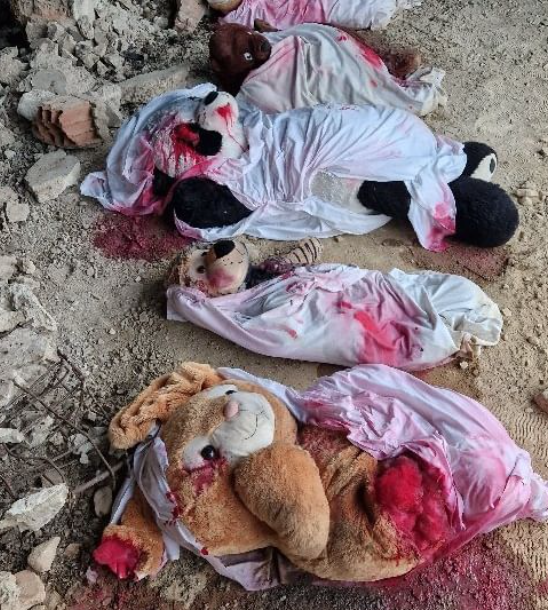
Image Copyright Bordalo II
10. XMAS EXCESS
Bordalo II has also used his art to critique the excessive consumption and waste associated with Christmas, drawing attention to the environmental cost of seasonal shopping, packaging and disposable goods. By transforming discarded materials into provocative artworks, he exposes the contradiction between celebration and overconsumption.
These works encourage viewers to reconsider festive habits and reflect on how small changes in consumption can reduce waste and lessen our impact on the planet.

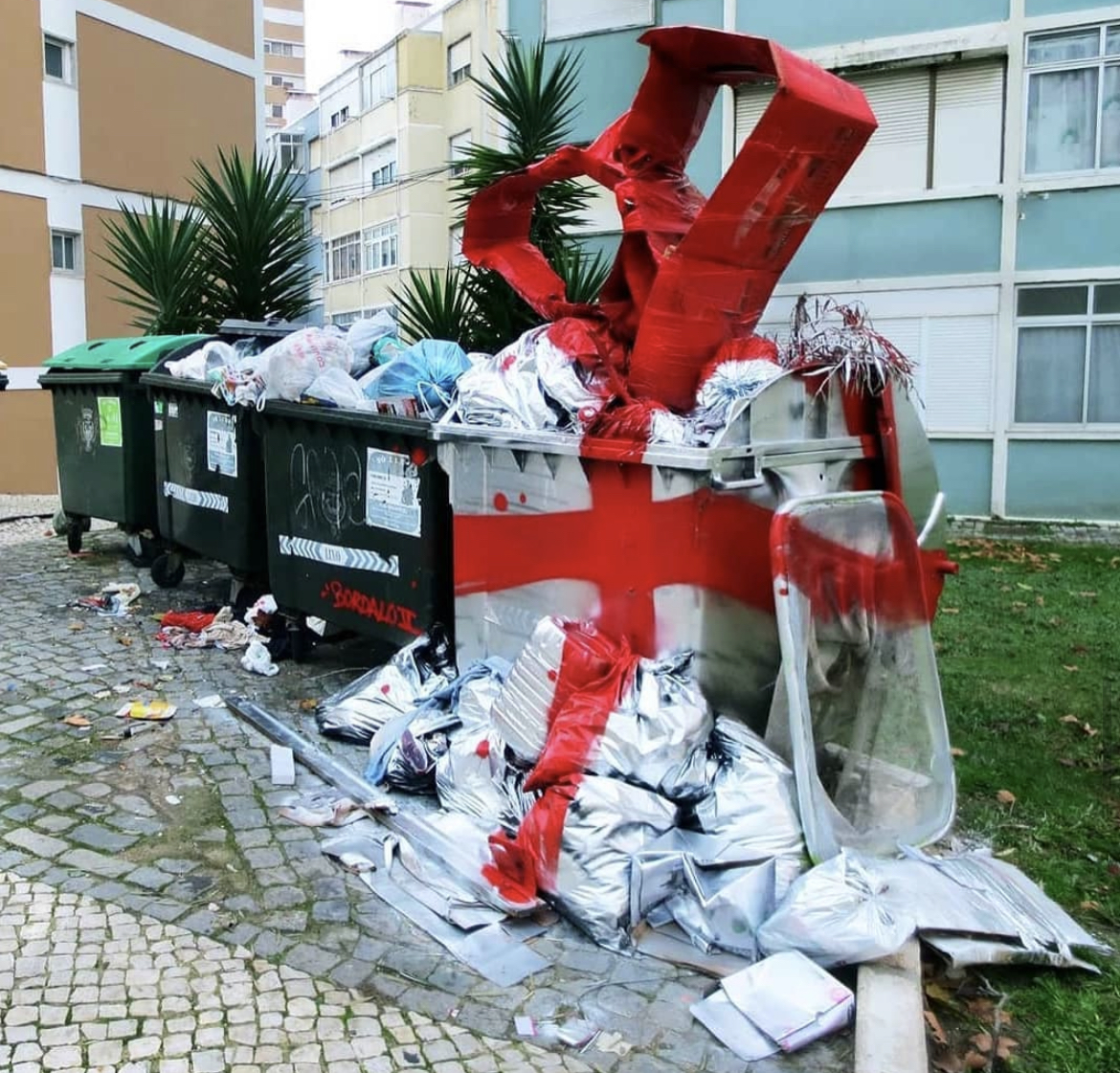
Image Copyright Bordalo II
Why Bordalo II Provoc Art Matter Today
Bordalo II has established a distinctive artistic practice rooted in environmental awareness, social responsibility and a willingness to confront difficult subjects. From his monumental Big Trash Animals to provocative public interventions addressing war, racism, institutional abuse, animal welfare and political accountability, his work consistently uses art as a catalyst for reflection and conversation.
Across these diverse themes, Bordalo II asks audiences to look more closely at the systems, behaviours and choices shaping the world around us. His practice ultimately carries a clear sense of urgency: greater awareness can lead to greater responsibility, and art can play a meaningful role in encouraging a more compassionate, sustainable and peaceful future.
GraffitiStreet’s 2015 interview with Bordalo II records the artist’s early thinking about public responsibility and political expression, while later interventions including Monoplizada and Sensitive Content reveal how that critical language has continued to develop.
To understand how Provoc sits alongside the artist’s environmental sculpture, continue to GraffitiStreet’s wider overview of Bordalo II’s practice.
Discover Bordalo II at GraffitiStreet
Discover available Bordalo II artworks through GraffitiStreet’s online store, or contact us to discuss availability, acquisitions and private viewings. You can also experience selected works in person at GraffitiStreet Gallery, 25A West Street, Chichester, West Sussex, England PO19 1QW.
Explore Artworks Online | Contact GraffitiStreet | Visit the Gallery