Saving Banksy: A Documentary about removing Street Art, 2017
The Saving Banksy documentary explores one of street art’s most difficult questions: what happens when a Banksy created for a particular wall, street and community is physically removed from that location? Released in 2017, the film follows the extraordinary story of Banksy’s Haight Street Rat in San Francisco while examining preservation, ownership, authentication and the commercial market surrounding removed street art.
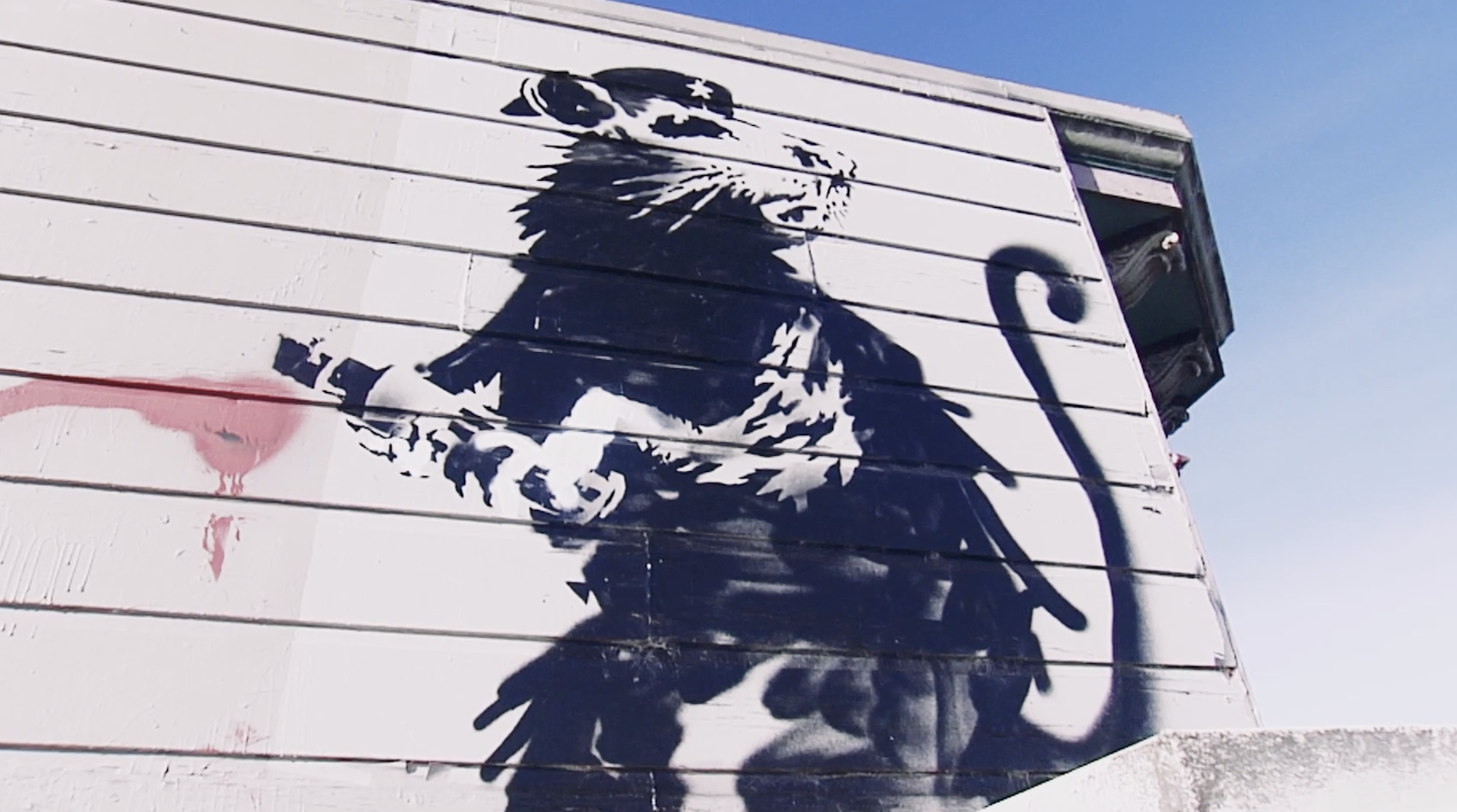
Banksy’s Haight Street Rat on the Red Victorian hotel in San Francisco, as documented in Saving Banksy (2017). Film still from Saving Banksy.
Banksy’s Haight Street Rat in San Francisco
During Banksy’s 2010 painting spree across San Francisco, the artist created the Haight Street Rat on the exterior of the Red Victorian hotel on Haight Street. The work stretched across two adjoining walls, depicting one of Banksy’s familiar rats wearing a cap reminiscent of Che Guevara’s beret and holding a red marker. From the marker, a painted red line travelled across the building before reaching the words “This is where I draw the line.”
The location added another layer to the image. The work has been interpreted as a criticism of the commercial appropriation of street art, responding to allegations that clothing retailers on Haight Street were reproducing imagery by local artists without properly compensating or crediting them. The rat, a recurring figure of resistance throughout Banksy’s work, became an especially fitting character through which to deliver that message.
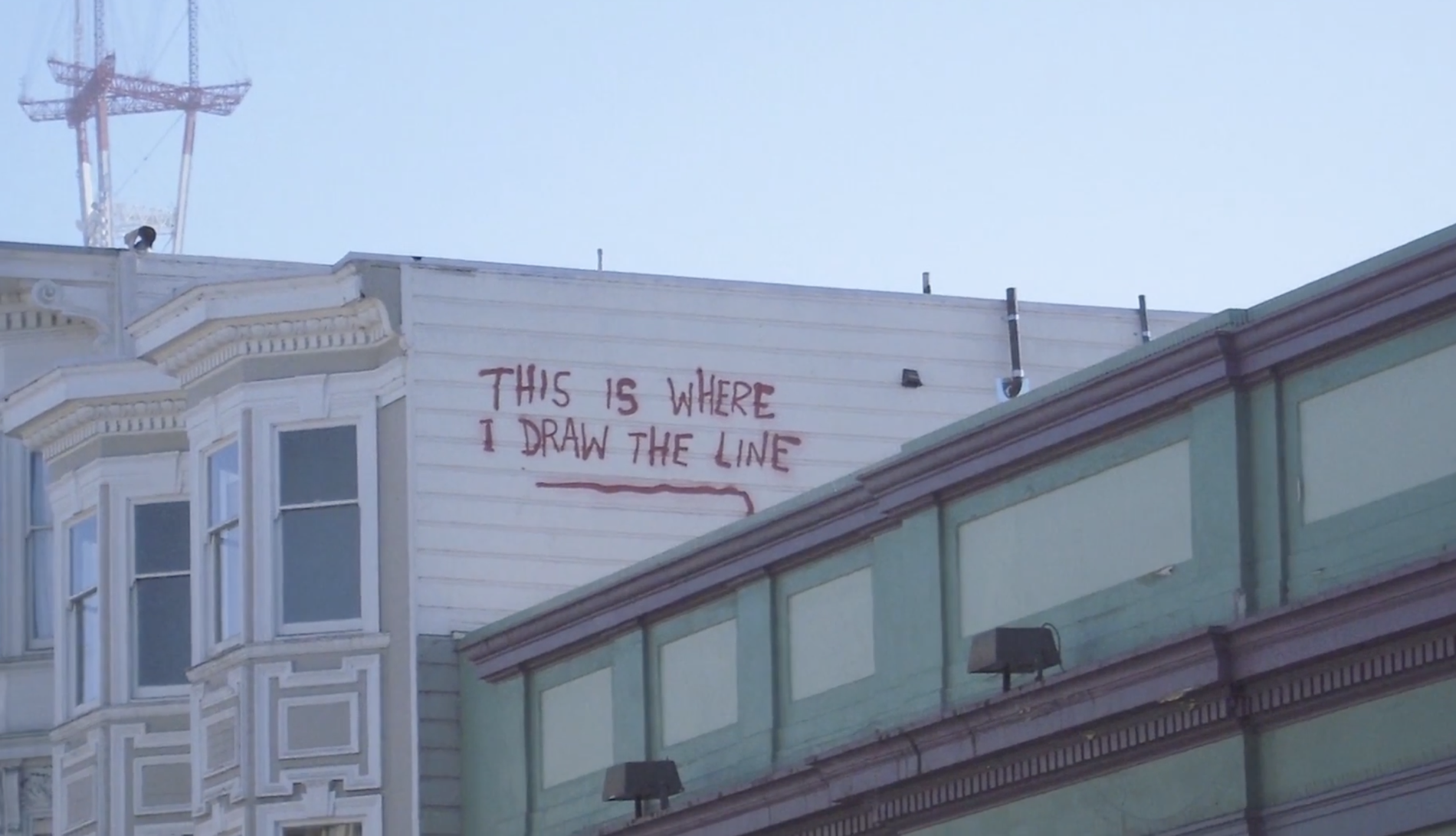
Banksy’s Haight Street Rat and the phrase “This is where I draw the line” on Haight Street, San Francisco. Film still from Saving Banksy (2017).
Like many works created directly on buildings, the Haight Street Rat faced an uncertain future. Rather than allow the work to be potentially painted over or lost, art collector and preservationist Brian Greif arranged for it to be removed from the Red Victorian. Conservators cut twelve cedar boards from the building containing the stencil, before the exterior was repaired and the individual sections were subsequently reassembled and conserved.
Greif maintained that his intention was preservation rather than resale. The work was acquired through an agreement with the Red Victorian’s former owner and, according to Greif, was subsequently shown with the stipulation that exhibitions should be free and support the wider understanding of graffiti and street art.
His efforts became the central story of Colin M. Day’s 2017 documentary Saving Banksy, which follows the extraordinary journey of the Haight Street Rat while confronting a more difficult question: can removing street art ever truly save it, or does separating the artwork from the street fundamentally change what it is? The film also examines the commercial market that has developed around street works removed from their original locations.
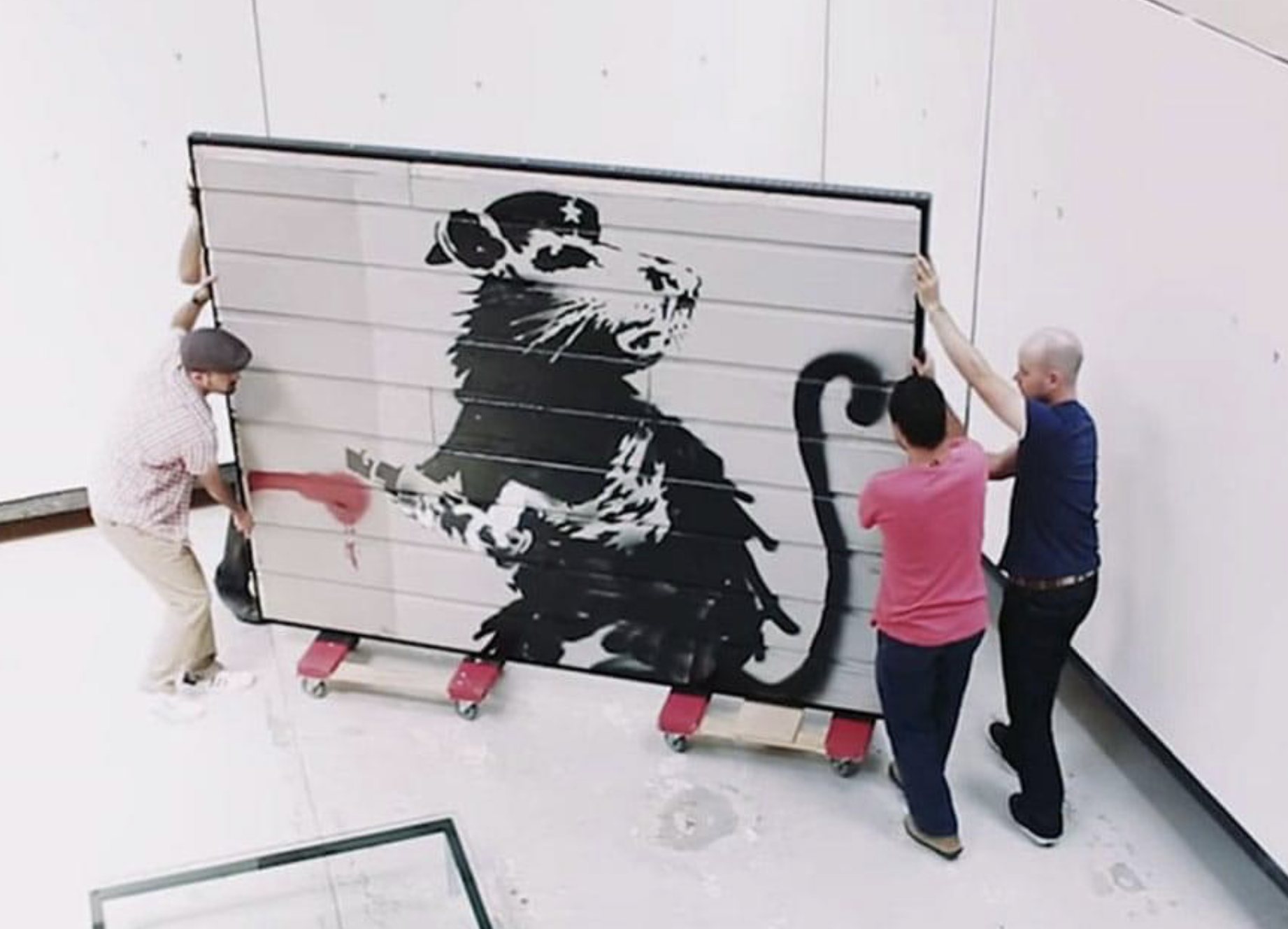
Banksy’s Haight Street Rat removed from the Red Victorian hotel in San Francisco for preservation for gallery tours. Film still from Saving Banksy (2017).
When Preservation Changes the Artwork
The Haight Street Rat makes this question particularly interesting because the original composition depended upon its surroundings. Banksy’s red line travelled across the architecture of the building before arriving at the words “This is where I draw the line.” Once the painted cedar boards were removed, part of that relationship between image, architecture and location inevitably changed. Contemporary criticism of the work’s subsequent display raised precisely this issue, questioning whether preservation could simultaneously protect the physical artwork while diminishing its original site-specific meaning.
That tension sits at the centre of Saving Banksy. Street art can disappear through weather, redevelopment, vandalism or being painted over, yet removing it for preservation introduces questions of ownership, authenticity and context that conventional artworks rarely face.
From San Francisco to Banksy’s Street Art in Palestine
The documentary takes this debate beyond San Francisco by examining two Banksy works created in Bethlehem in 2007, Wet Dog and Stop and Search, which were subsequently removed from their original locations and entered the commercial art world.

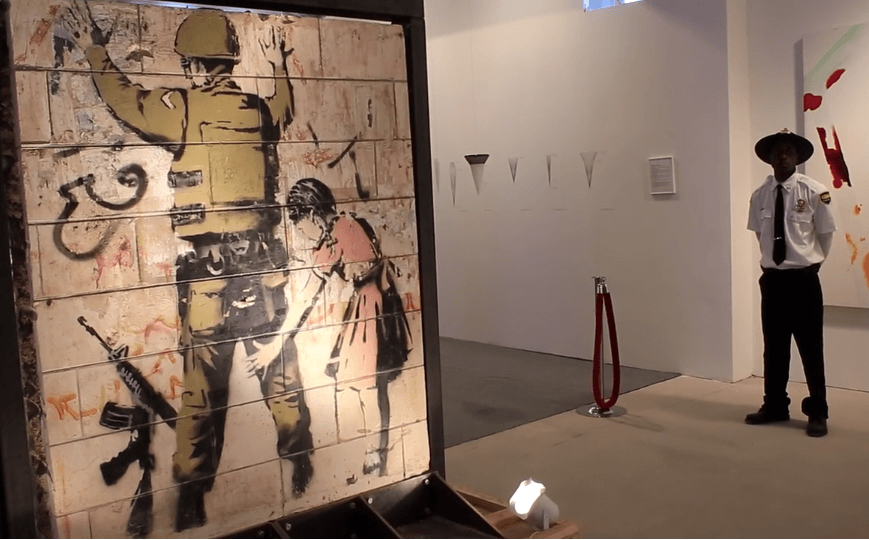
Stop & Search, Street Art, Saving Banksy Documentary 2017
Their removal brings the documentary’s central question into particularly sharp focus. Both works were created within the political and physical landscape of Bethlehem, where their surroundings formed an important part of how they were encountered and understood. Once detached from those locations, however, they became transportable objects that could be exhibited, privately owned and sold.
The tension between street art, preservation and commercial ownership is one Banksy has addressed himself. Speaking to The Guardian in 2015 around the opening of Dismaland, he described the effect of works being removed from the street and entering the market:
“I don’t think much about it, (his artwork being taken off the street and sold) but for the art form as a whole it’s unhealthy. When you paint illegally you have so much to contend with – cameras, cops, Neighbourhood Watch, drunk people throwing bottles at your head – so adding “predatory art speculators” to the mix just makes things even harder. Graffiti is an important and valid art form, it would be a shame if it was killed by venture capitalism.” Banksy Via Guardian 2015
The story also connects directly to Banksy’s wider work in the region. Explore the complete guide to Banksy’s art in Palestine.
Banksy Street Art, Context and Authentication
Banksy’s street works occupy a very different position from his commercial prints, paintings and editions. At GraffitiStreet, we believe these works should remain in the places and communities for which they were created wherever possible. Their walls, streets and surrounding environments form part of the artwork’s meaning, particularly with politically charged works such as those created in Bethlehem. Removing them may preserve the physical image, but it also separates the work from the context that gave it its original voice.
As Rosh Boroumand, GraffitiStreet Co-Founder and Banksy specialist, explains:
“We do not agree with removing Banksy’s street works from the places for which they were created. The location, architecture and surrounding community are part of their meaning, and once a work is removed, that relationship is permanently changed. None of the street works featured in Saving Banksy carry Pest Control certification because Pest Control does not authenticate works removed from their original public locations.”
Pest Control Office does not authenticate Banksy street works that have been removed from their original locations, reinforcing the important distinction between site-specific street art and Banksy’s authenticated commercial works. Read our guide to Banksy authentication, Pest Control and provenance.
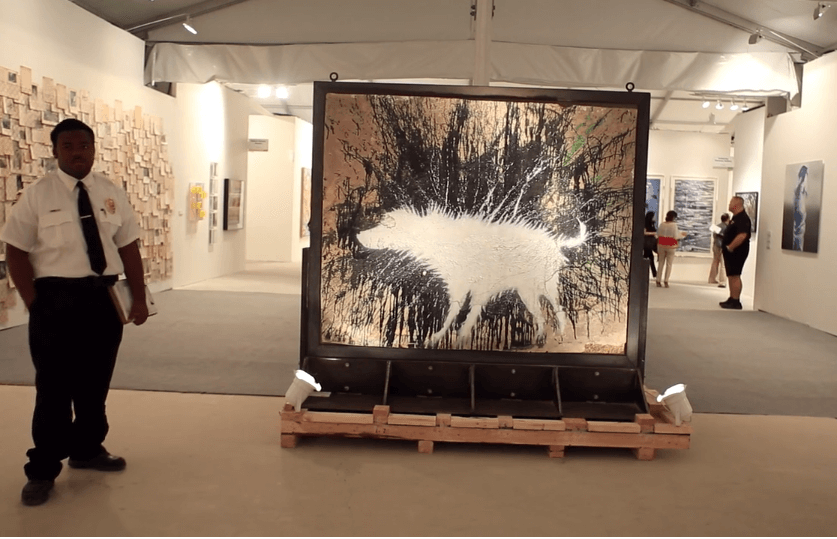
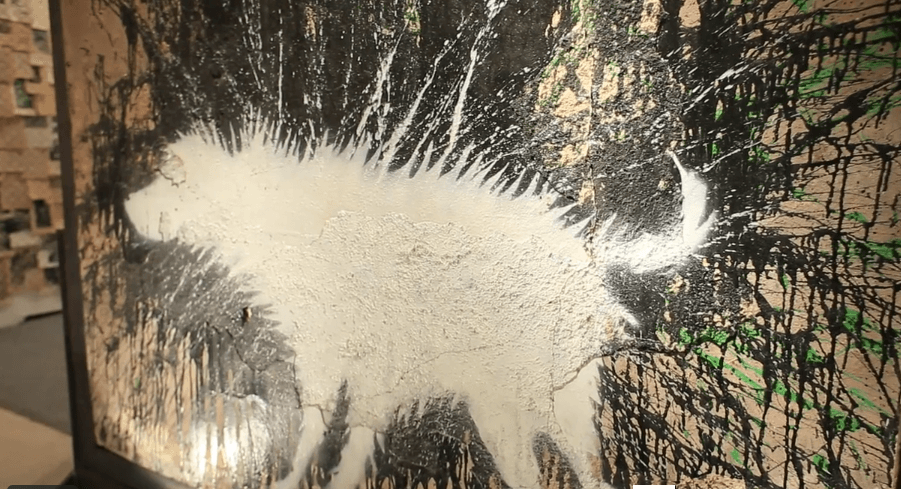
Wet Dog Street Art, Saving Banksy Documentary 2017
Watch Saving Banksy
The documentary features artists including Risk, Revok, Ben Eine, Blek le Rat, Anthony Lister, Niels Meulman, Herakut and photographer Glen E. Friedman, bringing together different perspectives on street art, preservation and ownership.
Watch the Saving Banksy trailer below.
Banksy is now back in Palestine with his latest project, The Walled Off Hotel. Read more here.
Discover Banksy
Explore Pest Control authenticated Banksy artworks and collectables at GraffitiStreet or contact Banksy specialist Rosh Boroumand for availability, sourcing and acquisitions.